
The vibrant culinary scene in Visakhapatnam (Vizag) has opened doors for aspiring food entrepreneurs, particularly through food trucks. With the local culture advocating for quick, accessible dining experiences and a penchant for engaging street food offerings, now is a pivotal moment to capitalize on this trend. This article provides an authoritative roadmap for establishing a food truck business in Vizag, targeting logistics and freight companies, construction firms, fleet management organizations, and food distributors. Each chapter will guide you step-by-step—from understanding the market landscape and legal requirements to customizing your vehicle and developing an enticing menu. By the end, you will have a thorough comprehension of why and how to embark on this culinary venture while maintaining consistency with industry standards.
Coastal Currents: Market Research and Concept Crafting for a Vizag Food Truck
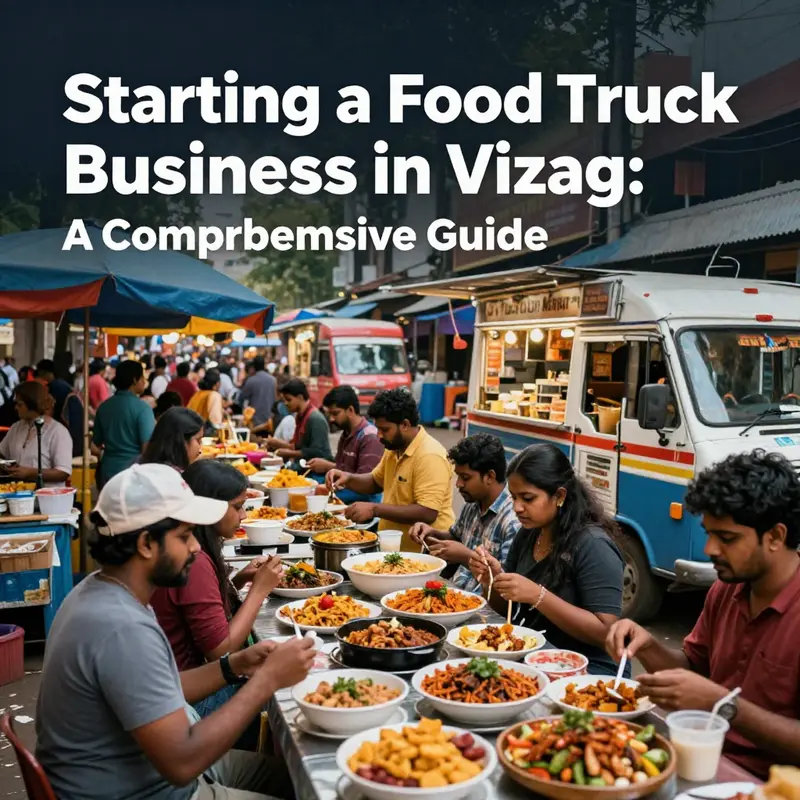
Visakhapatnam sits at the confluence of old-world spice routes and rapid modern growth. The city’s sea-breeze rhythm shapes what people crave, when they crave it, and where they prefer to eat. In this landscape, Market Research and Concept Development aren’t abstract steps; they are the compass and the map that turn a good idea into a reachable plan. This chapter threads together who Vizag’s eaters are, what they expect from a mobile dining experience, and how to sculpt a concept that fits visibly into the city’s food culture while staying nimble enough to grow with it. The starting point is understanding the market’s pulse: Vizag is expanding, not just in population but in the variety of dining needs. A growing middle class, a younger workforce drawn to fast, flavorful, and Instagrammable meals, plus a steady stream of tourists drawn to RK Beach and nearby coastal attractions, creates a steady demand for quick, affordable, and distinctive meals. The city blends Andhra flavors with an openness to fusion concepts, healthy options, and globally inspired twists. This tension—heritage and novelty—provides fertile ground for a well-crafted food truck concept that speaks to locals and visitors alike. Market research in Vizag, therefore, begins with listening. It’s less about compiling a long list of must-have dishes and more about decoding moments when people are most likely to choose a mobile option over a sit-down restaurant. The research lens should capture not only who buys food on the go, but why they buy and where they eat it. Office clusters along IT corridors, the student crowds at university campuses, and the weekend crowds that flood RK Beach are not just footfall; they’re behavioral signals. They reveal preference for speed, value, and a sense of place. The opportunity in Vizag’s evolving food scene becomes clearer when these signals are translated into a concept—a culinary story with a practical, repeatable footprint on the street. The city’s market environment also invites careful differentiation. While mobile vendors already populate the landscape with dosa, chaats, and bhajjis, there remains room to reframe familiar flavors with a coastal sensibility and a modern execution. A Coastal Fusion concept that blends Andhra’s bold notes with Mediterranean, Southeast Asian, or other coastal cuisines offers both flavor novelty and a natural storytelling hook. The concept should lean into Vizag’s maritime identity—colors that evoke the sea, packaging that feels fresh and portable, and a menu that reads quickly from a distance. The menu can center on a small core of items—six to eight best-sellers—to keep operations lean and service fast. In practice, this means thinking through not just the dish but the whole experience: a compact truck kitchen designed for clean lines and quick mise en place, a simple but vibrant brand palette, and a packaging system that keeps food hot and hands clean during short walks to seating or transit points. The research phase should also map the city’s regulatory coastline, because in Vizag, like many Indian cities, licensing, vendor registration, and compliance define what is feasible. This means aligning the concept with the requirements of FSSAI for mobile units and securing the street vendor permits or vending zones from the Visakhapatnam Municipal Corporation (VMC). Early engagement with regulatory details helps avoid expensive pivots later. As ideas become concepts, the next layer is validating them against the city’s real-world rhythms. GIS tools and basic footfall observations are powerful in Vizag because the city’s busiest corridors shift with weekends, festivals, and tourist seasons. A practical approach is to identify a handful of primary locations with high customer flow and a couple of secondary spots where demand appears seasonal or event-driven. The aim isn’t to chase every crowd, but to become a reliable option at specific, repeatable times and places. A disciplined concept development process uses empathy with the customer. Imagine a student grabbing a quick, flavorful lunch between lectures at a campus, a young professional stepping out for a fast, energizing bite during a hectic day, or a tourist making a quick stop near a beach with a stack of spicy, aroma-filled wraps. Each of these micro-moments suggests menu items, portion sizes, price points, and service modes that fit a mobile format. This is where differentiation, branding, and digital readiness come into play. Differentiation in Vizag should be rooted in a clear concept narrative. The city’s appetite for Andhra flavors, when fused with globally appealing techniques and textures, offers a path to a distinctive identity without alienating core local taste preferences. Branding should tell that story with a coastal palette, a vehicle wrap that captures sea imagery and spice-drenched color, and packaging that communicates freshness and convenience at a glance. The digital layer is essential in Vizag’s market. Social media presence, tactical use of WhatsApp or QR codes for menus, and a simple loyalty framework help translate physical presence into repeat visitation. The best concepts in Vizag consider both the social and the cash register: a compelling story that people want to share online, paired with a predictable, fast-moving workflow that keeps queues short and orders accurate. The customer segments deserve particular attention. Vizag’s Young Professionals and Students, who populate IT parks and universities, seek value for money, speed, and a bite that looks good in photos. Tourists and beachgoers demand accessibility and bold flavors they can sample quickly after a stroll along the shore. The Nightlife and Evening Crowd want satisfying, late-hour options that feel comforting after a day’s work or travel. Health-conscious urbanites are a growing slice who will greet plant-based or lower-calorie options, provided flavor isn’t sacrificed. A well-researched concept therefore speaks to all these groups through a carefully designed menu, scalable operations, and a brand that invites social sharing. Location strategy follows the research, not the other way around. Vizag rewards a two-pronged approach: establish a strong, repeatable anchor in one or two places each day or week, and complement that with flexible rotations around events, universities, and tourist corridors. The most practical framework borrows from the city’s existing rhythm—weekend surges at RK Beach, lunch-hour surges near IT parks, and campus peak times when students grab quick bites between classes. The experiential edge comes from the concept’s ability to tell a story through every element of the truck: the scent of masala in the air, the rhythm of the cooking process visible to passersby, the vibrant color palette of the truck, and the ease of ordering via mobile or on-site. To translate this into a plan, codify a simple product map: identify the signature dish that embodies the Coastal Fusion concept, a couple of bold sides, a couple of healthier options, and a small beverage lineup that complements heat and spice. The pricing should reflect Vizag’s spending power and the fast-service value proposition. The end-to-end experience matters as much as the food itself; packaging, utensil design, and a clean, efficient service flow contribute to a favorable impression that people want to share with friends. A pilot phase anchored in RK Beach on weekends and near a major IT park during lunch can yield invaluable feedback without overcommitting resources. The phase should be data-driven: track which items travel best, how long lines form, what price points drive the best margins, and how well social media posts convert into foot traffic. Feedback loops with customers and staff refine the concept quickly. The broader lesson from Vizag’s market context is that opportunity favors those who pair precise observations with a compelling narrative. A concept that honors local tastes while offering a fresh expression of those tastes will naturally attract a loyal following. The city’s landscape rewards adaptability, but it also rewards consistency: a recognizable truck, reliable hours, and a menu that stays true to the brand promise. The regulatory and logistical layers, though demanding, are manageable when approached early and methodically. The FSSAI licensing path and local permits are not barriers but checkpoints that ensure safety and trust, which Vizag diners increasingly value. In the long run, success will hinge on how well the concept translates the city’s coastal energy into a succinct culinary story that travels with ease from one location to another, yet always feels rooted in Vizag. For anyone contemplating a food truck in this city, the first steps—solid market understanding, a clearly defined concept, and a plan for disciplined execution—create a foundation that can withstand the city’s shifting rhythms and evolving tastes. A thoughtful, research-informed approach turns Vizag’s market potential into a practical, scalable venture. It’s not only about serving good food; it’s about serving Vizag’s appetite for novelty, speed, and authenticity in a way that respects the city’s traditions and its tides. External reference: https://www.statista.com/statistics/1429678/india-food-truck-market-size-by-revenue/
Licensing in Vizag: Securing Your Food Truck’s Legal Pass from UDYAM to Street Vendor Permits
Launching a food truck in Visakhapatnam hinges on more than a catchy concept or a spicy menu. The city’s regulatory landscape shapes where you can operate, how you present your kitchen on wheels, and the years of effort you’ll avoid by getting the paperwork right from the start. In Vizag, as in many Indian cities, your path to the curb is paved with registrations, licenses, and approvals that recognize your business as a legitimate, safety-conscious entrant in a crowded street-food ecosystem. Rather than treating this as a burdensome hurdle, view licensing as the backbone of your operation: it protects customers, helps you access prime locations, and builds trust with banks, suppliers, and partners. The core idea is simple: secure a solid foundation first, then scale with confidence.
The most reliable way to frame Step 2 is to think of it as a sequence of interlocking requirements. You begin with business registration to formalize your entity, then secure a food-safety license that legitimizes your kitchen practices. At the same time, Vizag-specific permissions may require you to register as a mobile vendor and obtain a city permit that designates where and when you can park and serve. Each piece of paperwork complements the others: without a UDYAM/MSME registration, you may miss access to schemes and subsidies; without an FSSAI license, your operation cannot legally prepare or sell food; without a municipal permit, your carefully chosen location may be off limits. The aim is to harmonize these elements into a compliant, efficient operating model that supports a consistent customer experience.
First comes the business registration, which in India often starts with a decision about your business structure. You can register as an individual proprietor or opt for a partnership, LLP, or private entity. For most solo food truck operators, the UDYAM registration—via the MSME/Udyam portal—offers a straightforward path to a UDYAM Registration Number. This registration is not merely a formality; it serves as a recognized credential for small-scale enterprises and unlocks access to government schemes, vendor opportunities, and credit facilities tied to formal status. If your annual turnover crosses certain thresholds, you’ll also need to obtain a GSTIN. The threshold commonly cited is ₹20 lakhs (₹40 lakhs for service-oriented activities). GST registration ensures you can collect and remit tax properly, creating a clean record for future business relationships and audits. In Vizag, as you map out routes and points of sale, the GST status will influence invoicing, supplier terms, and the ability to operate across districts with minimal friction.
With your business skeleton in place, the next layer is food safety. The FSSAI license sits at the heart of a mobile food unit’s legitimacy. In Vizag, a mobile or temporary kitchen tends to fall under state-level licensing rather than a fully centralized national license, but the exact path can depend on the city’s current administrative interpretations and the size and scope of your operation. The core objective remains consistent: demonstrate that your food preparation and storage meet established safety standards and that you maintain hygiene controls suitable for on-site cooking and rapid service. The documents you’ll typically need include your PAN and Aadhaar cards, a current address proof, and, crucially, a comprehensive layout of your vehicle’s kitchen area. You’ll list the equipment, show how you handle food storage, and declare your safety practices. An important technical note is to align your operation with IS 17526:2021, which codifies safety standards for mobile food vending units. This standard helps you design ventilation, water supply, waste handling, and fire safety measures that are appropriate for a compact, vehicle-based kitchen.
Alongside the FSSAI license, Vizag’s municipal framework may require a mobile vendor registration or a street vendor permit. The Visakhapatnam Municipal Corporation (VMC) often governs where mobile vendors can operate, the hours of business, and the designation of official spots. The permit process typically involves submitting your vehicle details, your license numbers, proof of the FSSAI registration, and a plan for waste disposal and cleanliness. The city’s enforcement policies can vary by ward and season, so staying in touch with VMC circulars is essential. In practice, many operators find it helpful to prepare a compact set of documents—vehicle registration or CoF status if you’re using a commercial vehicle, your layout plan, safety certificates, and a clear mapping of designated points. The upshot is straightforward: a successful permit hinges on demonstrating responsibility, safety, and the capacity to serve customers without disrupting public spaces. If you’re curious about how broader regulatory considerations get resolved in other logistics contexts, you can explore broader industry discussions on regulatory frameworks like those discussed in trucking-focused resources such as regulatory-relief-winter-storms-trucking. regulatory-relief-winter-storms-trucking.
The vehicle itself is a critical component of licensing. Your choice of platform—a 3–5 meter box van or small truck—must be prepared as a compliant mobile kitchen. The fit-out should prioritize stainless steel work surfaces, a reliable handwashing station, proper ventilation, and a robust refrigeration setup to keep perishables safe. You’ll need a functional waste disposal system with a grease trap appropriate to the scale of your operation, plus fire extinguishers and a clear plan for fuel storage and handling. In many cases, the vehicle must pass a certificate of fitness (CoF) if it falls under the Goods Carriage or Passenger Vehicle category in the RTO framework. While these specifics can feel technical, they remain essential for your ability to park legally at designated points and to present a professional, safety-focused impression to customers and authorities alike. Reviewing the safety guidelines for mobile food vending units helps ensure your vehicle not only complies with the letter of the law but also creates a trustworthy dining environment for people who may be trying street food for the first time.
The practical path to Step 2—nailing registrations, licenses, and permits—also involves preparing for the administrative rhythm. Start by organizing documents into a dedicated folder: identity proofs, business plan glimpses, vehicle specifications, layout diagrams, supplier agreements, and evidence of safety training or hygiene practices. Then, approach the applications in a logical order: complete and submit the UDYAM/ MSME registration first, secure the FSSAI license next, and then pursue the municipal vendor or street vendor permits. While timeframes vary, planning for a 4–6 week window from submission to approval is reasonable if all documents are complete and the vehicle is ready for inspection. Expect some back-and-forth as authorities verify details or request clarifications, but a well-prepared submission reduces delays and helps you secure prime operating spots sooner.
For those who want to embed extra layers of legitimacy into the process, consider aligning your brand and operations with a local quality mindset. A clean, well-documented risk assessment, a simple Hazard Analysis and Critical Control Points (HACCP) oriented approach to food safety, and a clear waste management plan can make a regulatory review smoother and more predictable in Vizag’s busy environments. The aim is not to overwhelm you with bureaucracy but to create a system in which compliance becomes second nature. A well-structured license portfolio makes it easier to negotiate with suppliers, attract staff, and present a credible business case to potential financiers who may be curious about your regulatory readiness.
As you weave these licensing strands together, keep in mind the interdependencies. Your UDYAM registration can influence the ease with which you acquire a GSTIN and FSSAI approval, while the FSSAI license provides the credibility that helps you obtain a municipal permit. Your vehicle’s fitness and safety features feed directly into both your compliance profile and your customer experience. A well-run license regime also makes it easier to respond to shifts in Vizag’s urban policies, such as changes in vending zones or time restrictions, which can occur around festivals or peak tourist seasons. The city’s coastal character and its busy commercial pockets mean that stable licensing is not a fixed, one-off achievement but a recurring discipline—an ongoing readiness to renew, update, and adapt as your operation grows.
To further illuminate the broader regulatory context for mobile food vendors, you can consult established guidelines and resources that outline the safety and operational expectations for these units. External resources, like official guidelines for mobile food vending units, provide a reference point for the standards you’re expected to meet as Vizag vendors expand or modify their fleets. External resource: https://www.fssai.gov.in/web/food-safety-guidelines/mobility-food-vending-units
In sum, Vizag’s licensing pathway is a structured journey that rewards foresight and organization. By securing UDYAM/MSME registration, obtaining the appropriate FSSAI license, and aligning with municipal permits, you create a compliant, trustworthy platform for your food truck to operate, attract customers, and scale. The exact steps and order may shift with regulatory updates, but the core principle remains constant: build a governance framework that protects your customers, your team, and your investment. This foundation supports the rest of your journey—from menu development and supplier partnerships to venue strategies and growth plans—ensuring that your food truck can roll into Vizag’s vibrant streets with confidence and clarity.
Choosing and Customizing Your Vizag Food Truck: A Practical Guide for Vizag’s Streets and Seashores
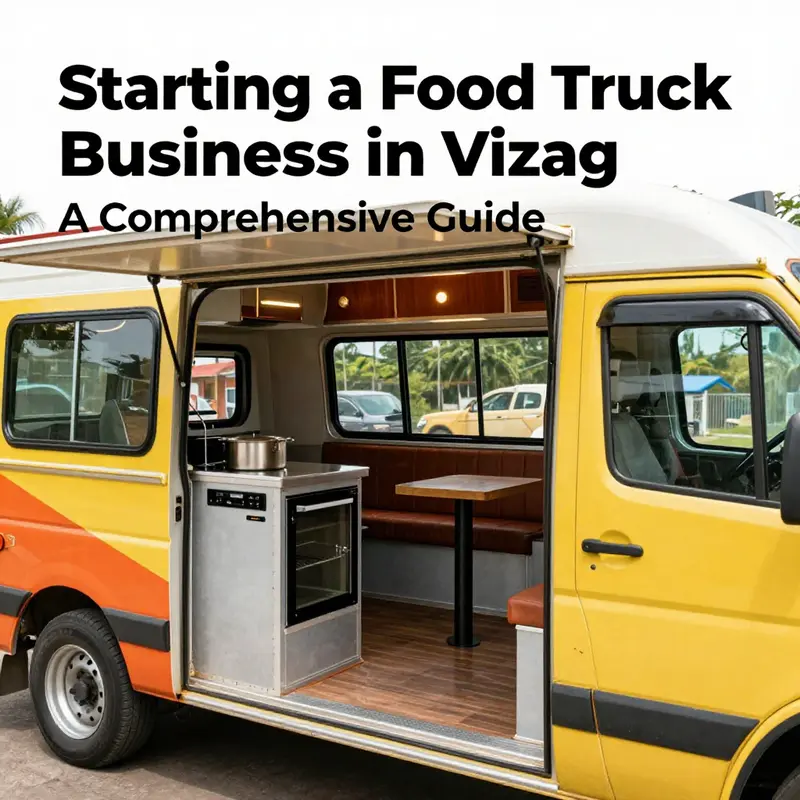
In Vizag, the first big decision after validating your concept is choosing the vehicle that will carry your kitchen and your brand through Vizag’s busy streets, beach promenades, and campus corridors. The city’s climate, traffic patterns, and tourism rhythms all demand a mobile unit that is compact enough to maneuver in crowded lanes yet robust enough to run a professional kitchen for long hours. This chapter presents a practical plan that integrates concept, compliance, and efficiency into one executable path. The vehicle you select anchors your operation, shaping your menu, workflow, and even how customers perceive your brand as it glides along Ramakrishna Beach or moves through university corridors. The goal is to align equipment, power, sanitation, and safety with a menu that can be prepared quickly, stored safely, and served with a smile on a hot Vizag afternoon.
If your culinary concept is simple—snacks, beverages, or light bites—a compact mobile trailer or a well-equipped push cart can be enough to start. These smaller units are cost-efficient, easier to park in narrow lanes along Beach Road, and nimble enough to pivot between busy kiosks and quieter pockets depending on the day’s footfall. They typically require less ventilation capacity and smaller refrigeration needs, which translates into lower upfront investment and faster ramp-up. On the other hand, if your plan targets full-service meals—a compact vegetarian grill, burgers, or regional Andhra specialties with a modern twist—you’ll likely need a dedicated food truck chassis. That setup offers more room for a complete kitchen: multiple cooking stations, larger sinks, more robust refrigeration, and a layout that supports a smoother, faster service line. In Vizag, where peak times can be intense around IT parks, universities, and tourist points, the ability to deliver hot, well-prepared dishes in a predictable time frame becomes a competitive advantage.
The choice of power source sits at the heart of such a decision. Electric configurations are increasingly attractive for their quiet operation, lower emissions, and reduced long-term fuel costs—an appealing feature for operating near residential areas or in regions with strict noise-sensitive zones. A diesel or gasoline system, while potentially more familiar and straightforward to refit in certain contexts, can incur higher running costs and more vibration, which may affect equipment longevity and customer comfort during busy service periods. For Vizag’s climate, you’ll want a reliable climate-control strategy: a commercial-grade refrigerator that holds stable temperatures, a dependable freezer, and a hot-water supply for handwashing and sanitization. The ventilation and exhaust system must be capable of maintaining safe air quality inside the unit while keeping fumes away from customers and staff. These considerations are not abstract—miss them and you risk heat stress, spoilage, or regulatory trouble.
Inside, the workflow is everything. Your interior layout should reflect a clear progression: prep, cooking, plating, service, and waste management. The most efficient configurations minimize unnecessary movement, reduce cross-contamination risk, and maximize throughput. Stainless steel surfaces remain the standard because they resist stains, are easy to sanitize, and stand up to the rigors of daily use. A practical layout places sinks and handwashing stations within easy reach of both prep and cooking zones, with separate zones for raw versus ready-to-serve ingredients. A grease trap, proper drainage, and a compliant waste-disposal plan are non-negotiable in Vizag’s regulatory environment. The IS 17526:2021 standard for Mobile Food Vending Units provides a reference point for designers and operators seeking to meet recognized benchmarks for safety and hygiene. While you may lean on a kitchen designer to optimize the space, you should enter that dialogue with a precise map of your menu requirements, anticipated volume, and the maximum footprint your parking or stall point allows.
Branding is inseparable from the vehicle itself. In Vizag’s bustling streets, a vehicle becomes a moving billboard. The exterior wrap should reflect your concept with high-contrast colors and legible typography that can draw the eye from a distance. The wrap, like your menu, should consistently communicate what you offer and why it’s special. The wrap is not only about appearance; it’s about durability in sun exposure and coastal weather. A strong external presentation helps you stand out in a crowded landscape around tourist magnets like the beaches, and in the university corridors where students seek hot, quick meals between classes. The interior should be equally practical; storage solutions, wall-mounted utensils, and overhead racks free counter space for speed and cleanliness. A well-considered exterior and interior design harmonize with a cohesive brand identity that customers can recognize instantly across multiple visits.
A critical but often overlooked dimension is compliance and permitting. Vizag’s regulatory ecosystem requires attention to both national standards and city-specific rules. You’ll likely need the appropriate FSSAI license for a mobile unit, with the specifics depending on whether the operation is registered centrally or through the state. Your vehicle must also meet local permits for street vending and for the particular points where you plan to operate. Parking permissions can hinge on approvals from the Visakhapatnam Municipal Corporation, and some sites require temporary vendor registrations or street vending permissions. Understanding these layers early prevents misalignment between your planned routes and the actual places you are legally allowed to serve. In practice, this means maintaining documentation for your vehicle’s fit-out, the safety of your cooking equipment, a water and waste plan, and a clear path to renew licenses as needed.
The economics of vehicle choice in Vizag are nuanced. A compact setup with a 3 to 5 meter footprint may cost less upfront but could constrain your menu and speed. A larger, fully equipped unit demands a bigger investment but offers room for a broader menu and more efficient service lines. You’ll want to integrate the vehicle choice with your procurement plan and staffing strategy from day one. A lean, high-turnover concept can succeed quickly in Vizag’s busy zones, especially when paired with a clear location strategy and a reliable supply chain. The revenue potential, as with many mobile ventures, correlates with the consistency of your daily locations, the speed of your service, and the perception of value created by your branding and food quality. In Vizag’s market, profitability often hinges on a disciplined approach to inventory management, minimizing waste, and maintaining a steady rhythm of peak hours that align with your fixed locations and rotating points.
As you navigate these decisions, consider the broader industry lessons that apply beyond any single city. The path toward an efficient, resilient mobile kitchen lies in choosing a vehicle that matches your menu ambitions, respecting safety and sanitation standards, and building a brand that communicates value in less than a glance. A practical reminder is to frame your planning around a realistic production line—the way a kitchen line operates in a fixed restaurant, but adapted to the constraints and opportunities of a moving platform. The best operators think of themselves as mobile chefs first and as entrepreneurs second, ensuring every inch of space is purposeful, every appliance is purpose-built, and every customer interaction reinforces their concept.
To connect this planning to concrete action, you can reflect on the kinds of operational partnerships that help a mobile kitchen thrive. Local suppliers, who can supply fresh produce, dairy, and spices, are essential to keeping a tight inventory and maintaining freshness. A centralized procurement approach helps stabilize costs and ensures consistency across your day-to-day operations. A well-tuned supply chain is especially important in Vizag, where seasonal fluctuations in produce can impact menu pricing and availability. You’ll want to establish supplier relationships that can accommodate quick deliveries and flexible terms, enabling you to adapt your menu in response to weather, festivals, or tourism patterns without sacrificing quality.
Your vehicle is also your training ground. Staff must be familiar with the layout, hygiene protocols, and safety practices before you open for business each day. In Vizag, where customers may expect quick, friendly service at a beachside stall or near a busy campus, smooth service relies on a synchronized crew, clear handoffs, and a calm, efficient operating tempo even during rushes. A practical training focus should include proper glove use, sanitization routines, correct use of cutting boards, and safe handling of hot surfaces. The vehicle’s design should support this training: clearly labeled zones, accessible safety equipment, and straightforward cleaning procedures. The more intuitive the kitchen, the faster the service and the safer the operation will be.
The road ahead isn’t simply about the vehicle; it’s about how you build a sustainable, scalable operation around that vehicle. The cost of a unit, the licenses you secure, and the effectiveness of your location strategy all feed into a single question: how do you sustain momentum as you grow? A cautious approach is to test a handful of carefully chosen locations first, then expand gradually, using data from daily sales, footfall, and customer feedback to refine your route map and menu. The city’s mix of office districts, educational campuses, and tourist hotspots creates a rhythm that rewards consistency paired with strategic flexibility. With a well-chosen vehicle, a compliant and safe kitchen, and a brand that resonates with Vizag’s food lovers, your mobile venture can begin a journey that is as reliable as it is adventurous.
Internal link for broader industry perspectives: as you plan the vehicle’s role in your business, consider the broader lessons from people-first strategies in trucking. These ideas, though framed for a broader fleet context, can inform how you design staff training, workflow, and customer interactions on the street. They remind you that the unit you operate is more than metal and appliances; it is a space where people, process, and passion converge to create repeatable, memorable experiences for Vizag’s diners.
External resources can broaden your understanding of mobility options and compliance in mobile food service. For a comprehensive look at pre-built, customizable food truck units and modular layouts that can be adapted for Indian regulatory environments, explore industry listings and supplier catalogs that emphasize durability, sanitation, and efficiency in mobile kitchens. These resources provide context on the range of configurations available, how to evaluate space versus workload, and how to visualize a kitchen that travels with you across Vizag’s streets and beaches.
Menu First, Brand Always: Crafting a Food Truck Menu and Identity That Wins in Vizag
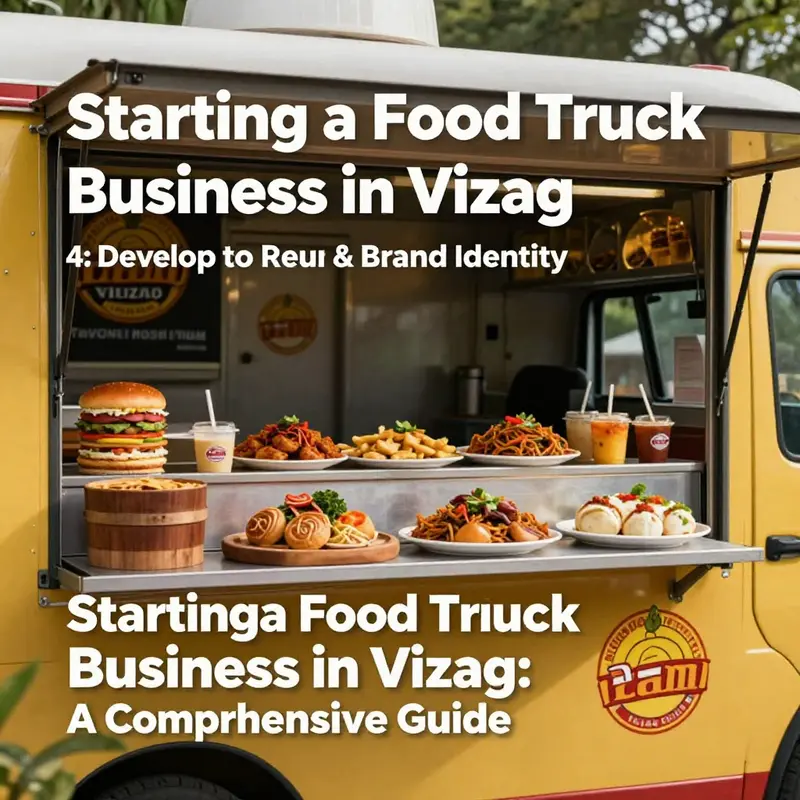
Designing Menus for Vizag’s Palate and Pace
A food truck in Vizag succeeds when its menu and brand work together to solve three problems: hunger, time, and taste. Your menu must deliver food that travels well, cooks fast, and speaks to local preferences. Your brand must make a promise that customers can grasp in seconds and trust every time they visit. Think of the menu as the product and the brand as the promise that product keeps. Plan both with equal care.
Start by narrowing the menu to a small, focused set of items. Aim for eight to twelve signature dishes. This keeps kitchen workflows simple and helps maintain consistent quality during busy hours. Each item should be testable and repeatable. If you offer a dosa, make sure it cooks the same way at 6 p.m. and 10 p.m. If you sell bowls, standardize protein portions and dressing portions. Fewer items reduce ingredient variety, speed service, and lower waste.
Choose dishes that reflect Vizag’s coastal roots and Andhra preferences while offering a clear twist that differentiates you. Coastal flavours—tamarind tang, coconut notes, and fresh seafood—resonate with locals and tourists alike. Pair those with Andhra spice profiles like tangy Gongura or a mild, fragrant use of curry leaves. A successful truck might present a classic like Pesarattu alongside a reinvented street snack, such as a handheld roll featuring spicy, marinated paneer or fish that travels well.
In a mobile setting, consider portability. Handheld items and bowls are customer-friendly. Use sturdy, eco-friendly packaging that keeps textures intact. For liquid or saucy dishes, choose packaging with leak-proof lids and vents for steam. Test your packaging under real service conditions. Heat retention, condensation, and spillage affect the customer experience as much as the recipe.
Balance flavours and price points. Offer a mix of low-cost, high-margin snacks and a couple of premium options. Street-friendly snacks can attract passing footfall, while a higher-ticket bowl or platter increases average order value. Keep portion sizes consistent to control food cost and customer expectation. Calculate food cost per item, targetting a 55–60% gross margin if your pricing and overheads allow.
Seasonal sourcing matters. Vizag’s markets supply different seafood and produce across seasons. Build a menu that can adapt to weekly or monthly changes. A rotation keeps regulars curious and uses fresher, cheaper ingredients. Maintain a core set of items that never change and rotate two or three specials each month. Specials help manage supply variations and create social media buzz.
Samplings and feedback are essential before finalizing the menu. Host tasting sessions at small events or collaborate with a local café for a pop-up. Listen to feedback on portion, spice level, and eating convenience. Use social media polls to test names and spice preferences. A small investment in testing prevents larger problems later.
Train your team exhaustively on each menu item. Standardize recipes with measured ingredient lists and step-by-step preparation times. In a food truck, one or two cooks must be able to reproduce every item under pressure. Create simple cue sheets: order-to-plating steps that reduce cognitive load during rushes. Cross-train staff so they can shift stations without a loss of quality.
Pricing must reflect the neighbourhood you serve. Streets near IT parks or tourist spots can support higher prices than residential corridors. Map three pricing tiers: core street price, office-lunch price, and premium-tourist price. Keep transparency in pricing; customers equate predictable value with trust. Offer combo options to increase perceived value while protecting margins.
Brand identity should be visible and legible from a distance. Choose a name that is short, memorable, and evocative of your food concept. Pair it with a bold logo and a limited color palette that stands out in busy streets and against the coastal backdrop. Use the same visual elements across the truck wrap, signage, staff aprons, and packaging. Consistency builds recognition faster than frequent redesigns.
Craft a brand voice that matches your menu. If you sell fiery Andhra snacks, your voice can be lively and playful. If you focus on healthy bowls, let the voice be clean and confident. Use short, punchy taglines that customers can read while walking. Avoid long sentences on signage; clarity matters more than cleverness.
Packaging becomes part of the brand experience. Choose materials that align with your values and are practical for the setting. Biodegradable boxes and paper wraps work well but test for grease and moisture resistance. Print simple brand marks on napkins and boxes. A well-branded takeaway package becomes a mobile billboard when customers carry it through the city.
Digital touchpoints are crucial. Register your truck on mapping platforms and keep hours updated. Use one or two social platforms rather than many. Post high-quality photos of plated dishes and behind-the-scenes shots of prep. Share the daily location and any limited-time specials to drive return visits. Make ordering simple—use a WhatsApp number or QR code menu to speed transactions. QR codes should lead to a fast-loading, mobile-friendly menu that mirrors your printed menu.
Loyalty can be simple yet powerful. A punch card for five purchases or a small discount on a customer’s birthday creates habitual visits. Consider a digital loyalty option if you expect repeat customers in a concentrated area like an office park or university.
Visual merchandising matters at the point of service. Keep the truck front uncluttered. Arrange condiments and napkins neatly. Display a simple menu board with prices and a highlighted daily special. Lighting should make food look appetizing in the evening. Small touches like a chalkboard with a handwritten note or a visible ingredient board showing sourcing build trust.
Brand partnerships can accelerate awareness. Partner with local events, community drives, or university fests. Offering a specially priced menu for an event exposes your food to new customers and builds community ties. Keep partnerships aligned with your brand values to avoid confusing your core audience.
Finally, measure and iterate. Track bestsellers, peak service times, and waste. Use sales data to refine portion sizes and pricing. Monitor social feedback and adapt the spice profile or portioning if patterns emerge. A food truck that listens to customers and evolves will outperform one that sticks rigidly to an initial plan.
For inspiration on food-truck trends and ways to adapt global ideas to local markets, review industry perspectives that explore what works in coastal and urban mobile food scenes: Food truck trends and inspiration.
Launching Vizag’s Mobile Kitchen: Strategy, Spots, and Seamless Operations for a Food Truck
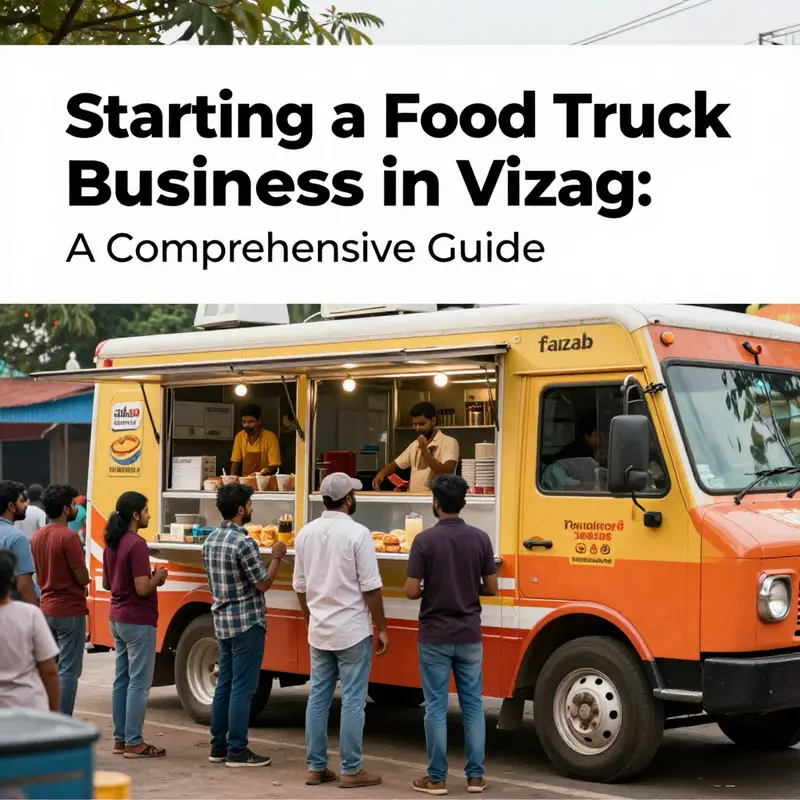
The moment you decide to launch a food truck in Vizag, you are stepping into a city where tradition meets modern mobility. The coastline, the IT corridors, the university precincts, and the tourist stretches along Beach Road all pulse with different crowds at different times. A strategic launch in this context means more than a good recipe and a flashy truck; it means choosing the right point of presence, building a workflow that scales, and staying nimble as the city itself shifts with seasons, festivals, and footfall rhythms. In Vizag, the path to profitability hinges on a clear vision for where you stand and how you move through the day, from first light near bustling campuses to the sunset crowds by the promenade. Start by translating your concept into a operational playbook that respects local rules while delivering consistent value to customers who want fast, fresh, and affordable meals.
The core of a successful launch is location intelligence. Vizag offers a mosaic of high-footfall zones: the Beach Road promenade that anchors tourism with its steady stream of visitors; IT parks where professionals crave quick, wholesome options during tight schedules; and the university campus ecosystem that generates a reliable student and staff audience. Beyond these anchor points, there are seasonal waves—events near the Dr. B.R. Ambedkar Statue, crowds around cultural sites, and festival-related gatherings—that can briefly surge demand. Your approach must blend reliability with opportunism. Begin with a handful of fixed spots where you can build predictable hours and a loyal following, then test nearby corridors during peak times to capture additional customers without overextending your team. Use simple mapping tools to chart footfall patterns—where people walk, when lines form, and which corridors stay lively after dark. A thoughtful location strategy in Vizag is about more than proximity; it’s about cadence: aligning your truck’s hours with the local rhythm so you’re there when people are most likely to buy.
The vehicle is the bridge between concept and experience, so your launch plan must ensure that the kitchen operates smoothly in the field. A compact but capable setup, with a clean workflow and easy-to-clean surfaces, matters as much as the menu. You should prioritize practical equipment that can handle back-to-back orders with minimal prep time. Ventilation and exhaust need to be robust enough for safe operation in open yard areas or along busy streets. A reliable cold chain is essential if your menu leans on fresh produce, dairy, or ingredients that lose quality quickly. Water filtration and a proper waste disposal system are not luxuries; they are fundamentals for maintaining hygiene in a mobile space. Staff should move with purpose, each person knowing their station, so service feels seamless rather than chaotic even when queues stretch.
Branding and perception play a pivotal role in Vizag’s street food ecosystem. Your truck’s exterior should tell a concise story that resonates with local tastes while signaling speed and reliability. A clean, legible menu that highlights 6 to 8 core items helps kitchen staff stay focused and customers decide quickly. As you iterate your brand, keep the narrative tight: a name, a logo, a wrap that stands out in a crowded lane, and a simple ordering method—preferably digital, such as a QR code that links to a menu or a line for WhatsApp orders. This reduces friction and accelerates turnover, a boon in a city where time is a premium for office workers, students, and touring families.
From day one, a disciplined operational discipline underpins growth. Your team must be trained in hygiene, food safety, and customer service; a calm, knowledgeable crew reinforces trust with every interaction. The craft of cooking in a mobile unit carries additional responsibilities: you must be mindful of waste, monitor stock carefully, and adapt to the constraints of a small kitchen. Inventory control becomes a daily ritual rather than a weekly chore. Track what moves, what spoils, and what consistently earns a good margin. In Vizag, where markets swing with the seasons, you will benefit from a lean core menu that can broaden to include a few rotating specials aligned with local preferences, coastal flavors, or Andhra-inspired twists that feel both familiar and fresh.
You can weave in technology to support a smooth operation without complicating your workflow. A simple POS setup, online ordering, and real-time updates on social channels help you manage demand and keep customers informed about your daily locations and specials. The goal is to create a dependable routine that your staff can execute even on busy days. In parallel, cultivate a presence that invites word-of-mouth and repeat visits. Encourage feedback—quick surveys at the point of sale or a short message about a favorite item—and use that data to refine your offerings, adjust portions, and tune pricing so you maintain a healthy margin while delivering value.
A crucial mindset for Vizag’s market is resilience. As with any fleet-style operation, there will be days that test your logistics—from weather disruptions to unexpected crowd surges. Your response should be proactive rather than reactive. Build backup plans for misfires in location, such as pre-scouted alternate spots with similar footfall if your primary block becomes unavailable. Prepare for seasonal surges by forecasting demand during hotter months, festival periods, and long weekends. The city’s summer heat can influence both appetite and service pace, while holidays and local celebrations can drive spikes that exceed your usual capacity. In these moments, the key is to maintain the quality that attracted customers in the first place: consistent flavors, fast service, clean presentation, and reliable cleanliness.
Alongside your operational readiness, invest in your people. A well-trained team translates strategy into experience. This means clear roles, efficient handoffs, and a culture that emphasizes hygiene and courtesy. The people you hire become ambassadors for your brand and the city’s mobile dining scene. In the broader logistics arena, there is a compelling parallel worth considering: investing in people is a foundational driver of performance in trucking and mobile operations alike. It is a principle you can apply directly to your food truck—prioritize training, fair scheduling, and growth opportunities for your crew. For further perspectives on people-centric strategies in mobility and logistics, see Investing in People: A New Path for Trucking Fleets.
Launch momentum also hinges on a straightforward financial frame. You need disciplined cost control, a realistic pricing approach, and a plan to scale without sacrificing service quality. Start with a modest set of fixed locations that you can sustain reliably, then layer in rotating points based on observed demand. Track daily sales, margin, and labor costs to understand gross profitability and net performance. A practical rule of thumb is to aim for a solid gross margin while keeping labor-efficient operations that reduce the risk of burnout and service delays. In Vizag’s climate and crowd, the sweet spot often lies in speed and predictability—getting good meals to people quickly, in a clean setting, at a fare that adds up to a solid daily total.
As you monitor performance, maintain a readiness to adapt. Use customer feedback and sales data to refine your menu, adjust hours, and recalibrate locations. Seasonal changes will shape which items thrive; plan accordingly for summer crowds by offering light, refreshing options and for festival periods by featuring comforting, familiar flavors with a distinctive twist. For inspiration on how other operators balance menu design, equipment choices, branding, and event-based marketing, the broader industry guide offers structured approaches to menu efficiency and kitchen layout that can inform your decisions in Vizag. An external resource that complements this chapter is the Hanyi Food Truck Guide, which provides practical insights into features, applications, and performance considerations for mobile kitchens. See the guide for a broader sense of best practices as you scale—from equipment selection to branding and beyond.
One practical takeaway is to treat every day as a grind of small, consistent wins. Every shift should reinforce your brand’s promise—speed, cleanliness, and dependable taste. When you handle peak hours with grace and maintain a clean, well-run kitchen, you don’t just make money; you build trust with a growing base of Vizag regulars who seek you out as part of their routine. The city rewards reliability and a polite, efficient service with repeat business and referrals. In turn, that reputation can unlock opportunities to participate in local events, partner with nearby offices for lunch hours, or collaborate with campus clubs for festival stalls—expanding your footprint without jeopardizing core operations. The ultimate aim is not a single blockbuster day, but a steady stream of well-managed days that compound into a sustainable, scalable venture across Vizag’s diverse neighborhoods.
If you are charting a course for your first year, keep your eyes on a few guiding markers: maintain regulatory compliance with Vizag Municipal Corporation requirements; protect the health and safety of your customers and staff; and keep a rhythm that aligns with Vizag’s public spaces and traffic patterns. A thoughtful blend of fixed, dependable spots and well-timed rotations will maximize visibility while minimizing risk. A successful launch is less about sheer speed and more about disciplined execution—consistent food quality, clean operations, and a customer experience that makes people want to return. In a city that blends coastal charm with a growing urban palate, your mobile kitchen can become a familiar, welcome sight on the streets of Vizag.
External resource: https://www.hanyifoodtruck.com/guide
Final thoughts
In summary, entering the food truck industry in Visakhapatnam presents a significant opportunity for food entrepreneurs, particularly when leveraging local insights and operational strategies. By conducting thorough market research, ensuring legal compliance through proper registrations and licenses, customizing your vehicle for optimal functionality, and developing a unique menu coupled with a strong brand identity, your food truck can stand out in a competitive environment. Launching strategically at high footfall areas and continuously optimizing your operations will pave the way for profitability and growth. The steps outlined herein not only provide the framework for success but also position you to effectively engage with logistical and culinary stakeholders in the vibrant Vizag market.