
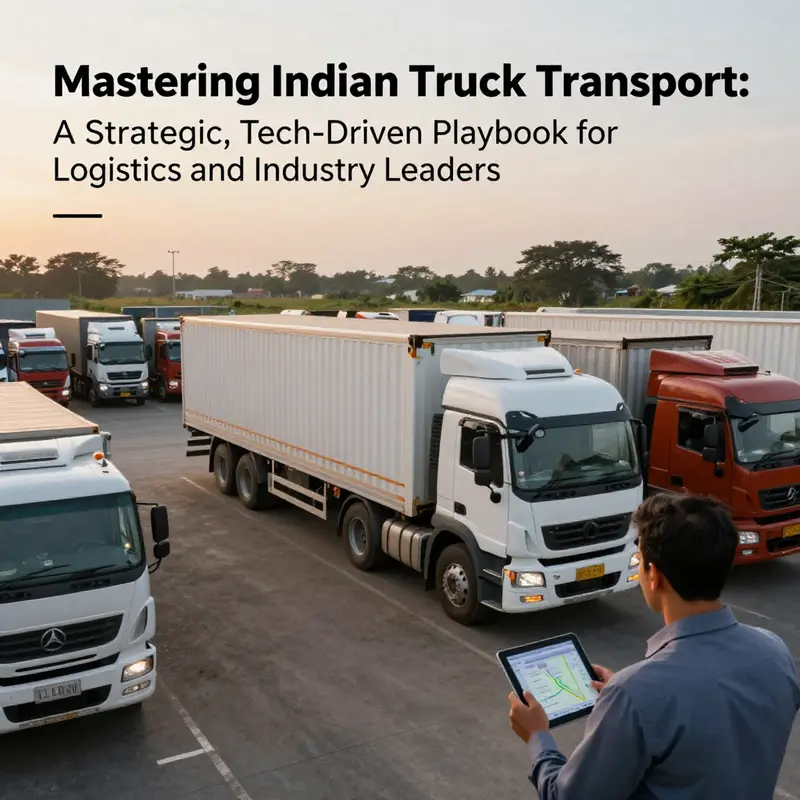
India’s logistics ecosystem is expanding rapidly as manufacturing capacity, infrastructure development, and e-commerce scale across the nation. A truck transport business sits at the core of this system, linking production sites, warehouses, distribution centers, and retailers. For logistics and freight companies, construction and engineering firms, fleet management providers, and food and beverage distributors, success hinges on a disciplined, integrated approach that combines technology, regulatory compliance, disciplined financial planning, and strategic market engagement. The four chapters that follow build a cohesive blueprint: Chapter 1 details how technology and fleet management create real-time visibility, predictive maintenance, and route optimization; Chapter 2 explains how regulatory compliance and the legal framework shape safe, lawful operations; Chapter 3 outlines financial planning, funding options, and cost optimization to scale fleets without compromising liquidity; Chapter 4 demonstrates how market access and strong customer relationships magnify value while delivering broader societal benefits. Together, these parts form a holistic view of how to run a truck transport business in India that is resilient, compliant, and growth-oriented. Each section speaks to the needs of the key stakeholders in India’s freight landscape and translates complex regulations and technologies into practical steps that drive measurable outcomes.
Tech-Driven Fleet Mastery on Indian Roads: Building a Resilient Trucking Business
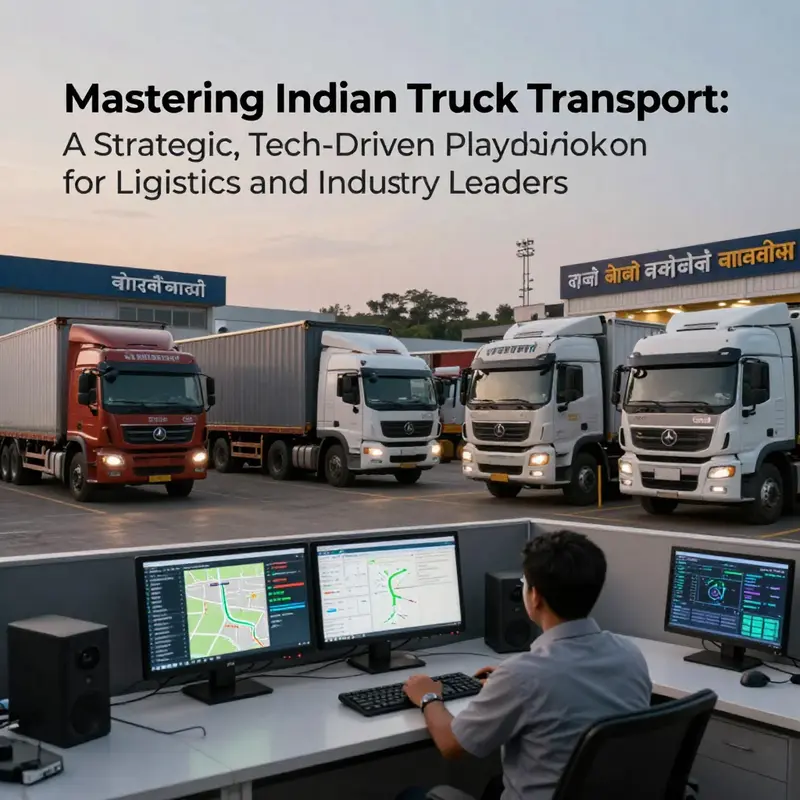
In a country whose highways carry more freight than most others can imagine, a trucking business can grow from rugged grit into a resilient, scalable operation only when technology meets execution. The Indian road freight market is vast, fragmented, and intensely price-sensitive. Costs cluster around fuel, driver wages, maintenance, regulatory compliance, and insurance. Yet those same realities create a compelling case for modern fleet management: technology can unlock asset utilization, curb idle time, shorten detention, and lift on-time performance even when the landscape remains unpredictable. A well-designed technology stack does not replace the hard work of operations; it amplifies it. It brings visibility where there was guesswork, standardizes routines that once varied with each dispatcher, and creates a data trail that turns every trip into a learning opportunity. The result is not just cost savings but a more reliable promise to customers that their goods will move when and where they intend to. At the core of this shift is a practical, people-centered approach to technology. The most sophisticated telematics and software are only as valuable as the teams that adopt them. That truth is echoed in a core insight many in the field emphasize: transforming fleet management is as much about investing in people as it is about investing in devices. The journey is not about replacing human judgment with a machine; it is about extending human capability with precise data, clear workflows, and intelligent automation. For leaders who want a sustainable competitive edge, the path begins with choosing the right technology, tailoring it to Indian routes and regulations, and designing a rollout that respects the realities of drivers, dispatchers, and customers alike. A practical way to frame this journey is to imagine the fleet as an integrated system where telematics, maintenance scheduling, route optimization, and driver management feed a single, living set of operations. The benefits accrue in layers: first, you gain real-time visibility into where every asset is and how it is performing; next, you optimize the usage of each truck and trailer; finally, you build a data foundation that supports smarter decisions about capacity, pricing, and service levels. Taken together, these elements create a durable platform for growth that can adapt as markets shift and regulations evolve. The starting point for any Indian fleet aspiring to digital maturity is a clear understanding of the technology stack and how it translates into tangible outcomes in daily operations. Real-time GPS tracking provides the backbone for locating vehicles on long intercity routes and short urban legs alike. But the raw position data is only the first step. Engine data, fuel metrics, and driver behavior signals add depth, revealing patterns such as idling waste, harsh braking, or inconsistent speeds that translate into fuel burn and maintenance costs. A robust telematics layer captures these signals and, when paired with a fleet management system (FMS), becomes both monitoring and coaching. The FMS expands beyond tracking to include trip planning, driver assignments, maintenance reminders, and alerting when a vehicle drifts from expected performance. The magic happens when route optimization is layered in. Indian road conditions—congestion, tolls, weather, and unplanned detours—demand dynamic routing that respects delivery windows and driver hours. Real-time routing, supported by live traffic feeds and road restrictions, reconfigures plans on the fly, reducing empty miles and improving the likelihood of on-time arrivals. The next level is load planning. Maximizing trailer utilization requires a careful balance of weight distribution, volume, and regulatory limits. A smart load planner helps dispatchers align the right cargo with the right trailer, especially for multi-stop legs or backhaul opportunities. This, in turn, reduces detentions at shippers and receivers and improves overall asset yield. When a fleet touches maintenance, the effect compounds. Preventive maintenance becomes a continuous discipline rather than a calendar exercise. Usage-based alerts remind teams to service engines, brakes, tires, and electronics before failures disrupt service. Predictive maintenance, driven by sensor data and trend analytics, begins to forecast the likely time to failure, enabling proactive parts ordering and planning for downtime that minimizes impact on customers. The value of maintenance data extends beyond a single vehicle. It becomes an enterprise signal that informs budgeting, spare-parts strategy, and supplier selection. It also feeds into safety programs, which are central to responsible trucking in India. Telematics and FMS contribute to fatigue management by providing accurate hours-of-service (HOS) compliance and rest-break reminders, while dashboards highlight driver performance trends and safety incidents. A driver who understands how to interpret his or her own driving patterns benefits from feedback that can reduce risk and extend career longevity. The integration of digital tools does not end with the vehicle; the human element remains essential. Driver onboarding, continuous training, and performance-based incentives must align with the new workflows. The best programs tie safety, efficiency, and reliability to clear rewards, ensuring drivers see the value of using apps, submitting digital receipts, and adhering to optimized routes. This is where a broader governance framework comes into play. Security and data governance matter just as much as speed and accuracy. Role-based access, audit trails, encryption of sensitive data, and safeguards against outages are not luxuries but necessities for an operation that will hold customer trust and regulatory scrutiny. The journey also requires attention to interoperability. Indian fleets typically run a mix of vehicles, old and new, and work with varied back-office systems. A coherent architecture is one that can talk to ERP, TMS, and WMS systems without creating data silos. An integrated stack enables end-to-end visibility—from the tender of a load to the delivery confirmation and invoice. In practice, the architecture described here begins with a cohesive, scalable core: telematics that collect vehicle and driver data, a fleet management system that orchestrates trips and maintenance, and route optimization that adapts to the moment. Accountability is built into the process; alerts and dashboards give supervisors, dispatchers, and drivers a shared picture of what must happen next. The architecture also anticipates growth. A phased deployment—start small, prove value, and scale—reduces risk and builds organizational confidence. A typical sequence begins with a pilot on a representative subset of vehicles and routes to validate the essential capabilities: real-time location, maintenance reminders, basic route optimization, and digital documentation flows. The pilot serves as a learning loop, providing the data needed to refine parameters, establish standard operating procedures, and calibrate expectations with customers. Once the core platform demonstrates ROI in the pilot, expansion follows a deliberate plan that broadens coverage across the fleet, integrates with back-office systems, and introduces more advanced analytics, such as predictive maintenance, dynamic pricing, and detention management analytics. Alongside the technical rollout, the business case for investment must be reinforced by a clear understanding of return on investment. The primary cost components include initial capital expenditure for telematics devices, onboard computers, and software licenses, plus ongoing operating expenses for data services, maintenance integrations, and spare parts inventories. The ROI levers are straightforward but powerful: fuel efficiency gains from optimized routing and eco-driving, higher asset utilization through smarter scheduling and reduced dwell times, lower detention costs achieved by more reliable scheduling, and tighter control of compliance-related penalties and insurance costs. In a well-executed program, payback can occur within six to eighteen months for medium-to-large fleets, depending on baseline efficiency and the scale of deployment. The implementation strategy must also address vendor selection with care. A practical approach emphasizes a strong initial value case, a straightforward user experience, and the capacity for integration with existing systems. It is wise to pilot with a limited set of vehicles to validate data quality, ease of use, and the readiness of the supplier to support the scale plan. Beyond technology selection, attention to people and culture remains essential. Change management should emphasize transparent communication about the benefits of monitoring and automation, provide training that makes drivers comfortable with the new tools, and establish incentive structures that reward performance rather than penalize compliance. In this sense, the journey toward tech-enabled fleet operations mirrors the broader evolution of Indian logistics: a blend of disciplined process, meaningful data, and a culture that embraces continuous improvement. The narrative is not about chasing the latest gadget but about a coherent capability that makes the entire operation more predictable and reliable. To that end, the business must design a governance framework that assigns a clear ownership for compliance checks, data quality, and vendor performance. A governance cadence—monthly reviews of KPIs, quarterly alignment on service levels with customers, and an annual recalibration of maintenance strategies—ensures the program remains aligned with market realities and regulatory changes. It also creates a feedback loop that transforms operational data into actionable insights. On the topic of routes and networks, technology informs not just how a single truck operates but how the fleet composes and replans lanes at scale. Lane-level visibility helps leadership identify underperforming corridors and high-potential routes, enabling smarter capacity choices and price discipline. The ability to re-optimize schedules when detours occur or when detention costs spike translates into more reliable delivery windows, which in turn strengthens customer relationships and improves contract economics. This continuous optimization—driven by data, not impulse—requires a disciplined product mindset within the fleet organization. It means treating the technology stack as a living platform that evolves with new data sources, changing regulations, and shifting customer demands. It also means recognizing that a robust digital foundation supports broader business ambitions, such as expanding into temperature-controlled or hazardous goods transport, or establishing dedicated lanes for key customers. In those contexts, the same core principles apply: consistent data, streamlined processes, and a strong emphasis on safety and compliance. The objective remains consistent across scales: improve asset utilization, deliver greater predictability to customers, and create a sustainable cost structure that can withstand volatility. A practical signal of maturity is the ability to pair operational intelligence with financial insight. KPI dashboards should not exist in a vacuum; they must connect to cost per kilometer, revenue per kilometer, and gross margin per trip. When a route proves less profitable or an asset underperforms, the organization can respond with targeted changes—reassigning capacity, negotiating better terms with carriers and suppliers, or adjusting pricing models. The synthesis of technology and human capital is where the strongest Indian fleets distinguish themselves. A comprehensive technology stack does not merely automate; it augments decision-making, aligning daily dispatch decisions with strategic priorities. It creates a culture where data-informed feedback loops drive continuous improvement in safety, reliability, and service quality. And it does so in a way that respects the realities of Indian roads—the congestion patterns, the variability in transit times, the complexity of permissions, and the diversity of cargo across countless lanes. For readers seeking a deeper connection between the human and digital sides of fleet management, consider the broader argument that technology should be paired with deliberate investments in people. The case for investing in human capital alongside digital tools highlights not only the skills drivers need, such as safe and fuel-efficient driving, but also the capabilities required by dispatchers, maintenance technicians, and compliance officers. When teams are empowered with clear workflows, accessible data, and user-friendly interfaces, adoption accelerates and the return on technology accelerates as well. An illustrative way to anchor this idea is to read about how a shift in fleet management practices is necessitating new organizational skills and roles. The balance between automation and human judgment becomes especially pronounced in the Indian context, where dynamic conditions demand adaptive decision-making. In such a landscape, the most successful operators treat technology as a partner rather than a replacement. They foster collaborative environments where drivers can provide feedback on routing and weight distribution, where mechanics contribute maintenance insights back into the planning system, and where executives translate operational data into strategic moves—adjusting routes, redefining lanes, and recalibrating customer commitments as conditions evolve. In the end, the goal is not to chase a perfect system but to construct a resilient, adaptive one. A resilient system can absorb the shocks of fuel price swings, supply interruptions, road closures, and regulatory updates while maintaining service levels and protecting margins. The strategy is anchored in clarity: a precise technology stack, a disciplined rollout, rigorous governance, and a culture that values learning and accountability. For leaders contemplating the next phase of their fleet expansion, the message is not to wait for flawless conditions. Start with a realistic pilot, establish what success looks like in terms of measurable outcomes, and then scale with confidence. The broader industry context confirms that this approach works. Telematics, FMS, route optimization, and data integration have moved well beyond novelty. They are now essential levers for achieving reliability and efficiency in a highly competitive market. The opportunity for Indian truck operators is to adopt a pragmatic, people-centered technology plan that respects the complexity of the country’s logistics landscape while leveraging the clear efficiency gains technology can deliver. The result is a more predictable, safer, and more profitable operation that can compete with global players and meet the evolving demands of domestic shippers. For readers who want to explore a companion perspective on the human side of this transition, a valuable resource is available that argues for a broader view of fleet management as a people investment. Transforming Fleet Management: The Case for Investing in Human Capital. As you plan, remember that technology serves the business, not the other way around. The most resilient Indian trucking operations will be those that blend precise data with practical experience, nurture the people who drive and manage the fleet, and continually refine processes so that every mile traveled advances service, safety, and sustainability. External reading can further illuminate the practical realities of equipment and fleet choices in the Indian market. For example, global supplier information and regional considerations offer useful context as you evaluate Telematics and FMS vendors, integration options, and maintenance networks. External resource: https://www.sinotruk.com/india
null
null
null
null
Moving Markets, Building Trust: Market Access, Customer Relationships, and Societal Impact in India’s Trucking Industry
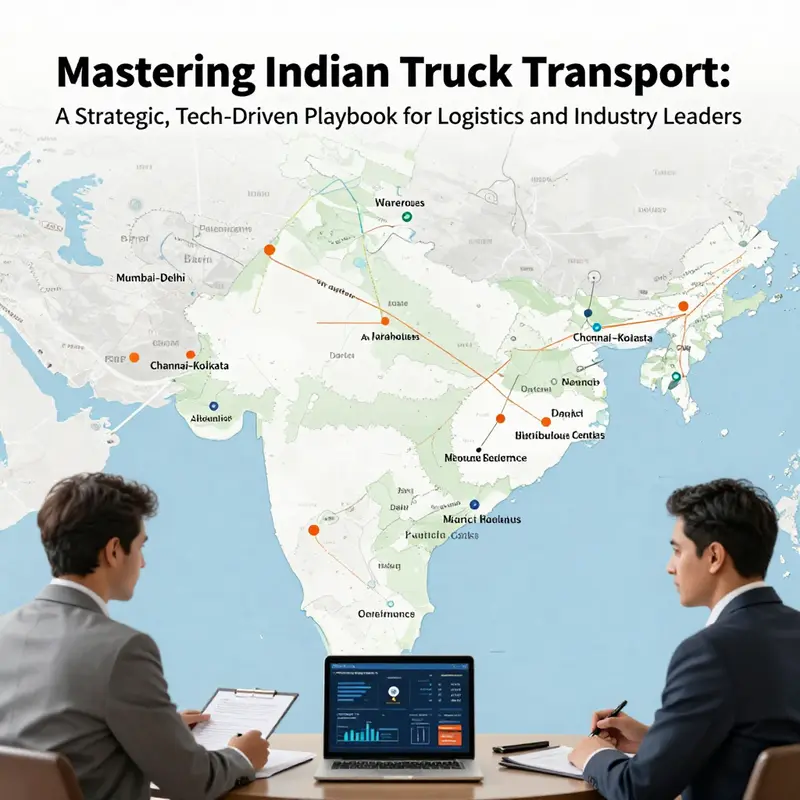
The Indian logistics landscape is shaped by market access, customer relationships, and the societal footprint of freight activity. Growth is rapid, and data underscore the shift toward digital, compliant, and service-focused operations. Market access today requires a digital backbone that connects capacity with demand across sectors—enabling real-time tracking, integrated invoicing, and e-way bill compliance. The government’s digitization push creates opportunity for new entrants and established operators alike. Building a trucking business now means leveraging technology for route planning, regulatory clarity, and transparent performance data that shippers can trust. Route density and network effects become core assets: saturating a few high-potential corridors creates predictable demand. A modern Transport Management System (TMS) and Fleet Management System (FMS) unify scheduling, maintenance, fuel use, and driver logs into an auditable stream. The e-way bill framework accelerates clearance across states and reduces friction, turning trips into compliant records. Interoperability with the broader logistics ecosystem matters, as shippers demand visibility from departure to delivery. A carrier that plugs into customers’ order management, shares real-time updates, and offers flexible delivery gains in the market. Compliance and safety anchor expansion: driver hours, vehicle fitness, emission controls, and tax compliance shape operations but also enable smoother service. Certifications, insurance, and timely checks reduce delays and build trust with customers. The human element matters: invest in people as you invest in technology, with training in safety, customer service, and digital literacy. A culture of punctuality and proactive communication attracts drivers and strengthens reliability. Leaders should articulate a simple operating model: market access, dependable service commitments, and a measurable social footprint. The journey will continue to evolve as technology, policy, and expectations change, but the core idea remains: access opens doors, relationships keep them open, and a positive footprint sustains permission to operate. For readers seeking practical guidance, a linked resource on investing in people offers a blueprint for aligning hiring, training, and culture with performance.
Final thoughts
A truck transport business in India succeeds when technology, compliance, finance, and market engagement are integrated into daily operations. Technology and fleet management unlock visibility and efficiency, while a robust regulatory framework ensures safety, legality, and consistency across routes and cargo types. Sound financial planning and access to funding sustain asset growth and optimize total cost of ownership, enabling fleets to scale in response to demand. Finally, proactive market access and strong customer relationships translate capability into value for manufacturers, distributors, and end customers, while contributing to broader societal goals such as improved delivery reliability and reduced congestion through smarter route planning. By weaving these dimensions together, leaders can build resilient, compliant, and profitable truck transport operations that meet the diverse needs of logistics and freight companies, construction and engineering firms, fleet management providers, and food and beverage distributors alike.