
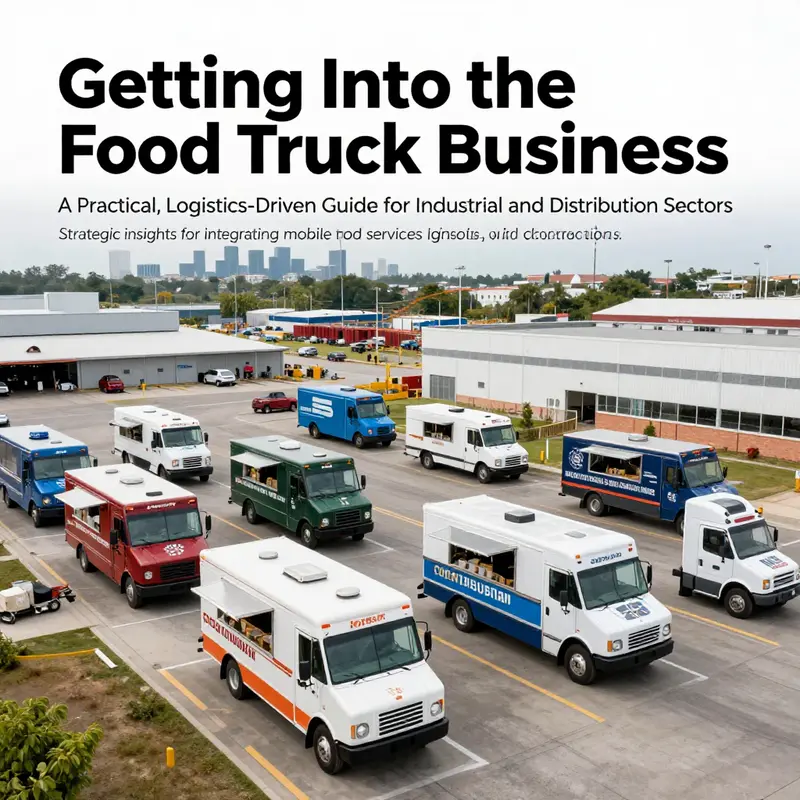
Across logistics-heavy industries, mobile dining is increasingly leveraged to support workforce welfare, client hospitality, and on-site efficiency. For Logistics & Freight Companies, Construction & Engineering Firms, Fleet Management Organizations, and Food & Beverage Distributors, a disciplined approach to launching a food truck operation aligns with procurement cycles, safety standards, and service-level expectations. This guide distills five foundational chapters that connect regulatory foundations, market positioning, menu efficiency, vehicle fit-out, and brand-building to enterprise realities. The journey begins with regulatory due diligence and licensing, moves through targeted market research and site strategy, addresses menu design and operational throughput, then covers vehicle selection and safety compliance, and culminates with branding, community engagement, and growth pathways. Each chapter is designed to integrate with existing enterprise operations, ensuring that your mobile food program complements workforce planning, site operations, logistics scheduling, and supplier ecosystems. By treating the food truck venture as a strategic extension of your core operations, organizations can reduce risk, optimize resources, and unlock value from employee-centric and client-facing opportunities.
Regulatory Foundations: What Every New Food Truck Owner Must Know
Regulatory Foundations: What Every New Food Truck Owner Must Know
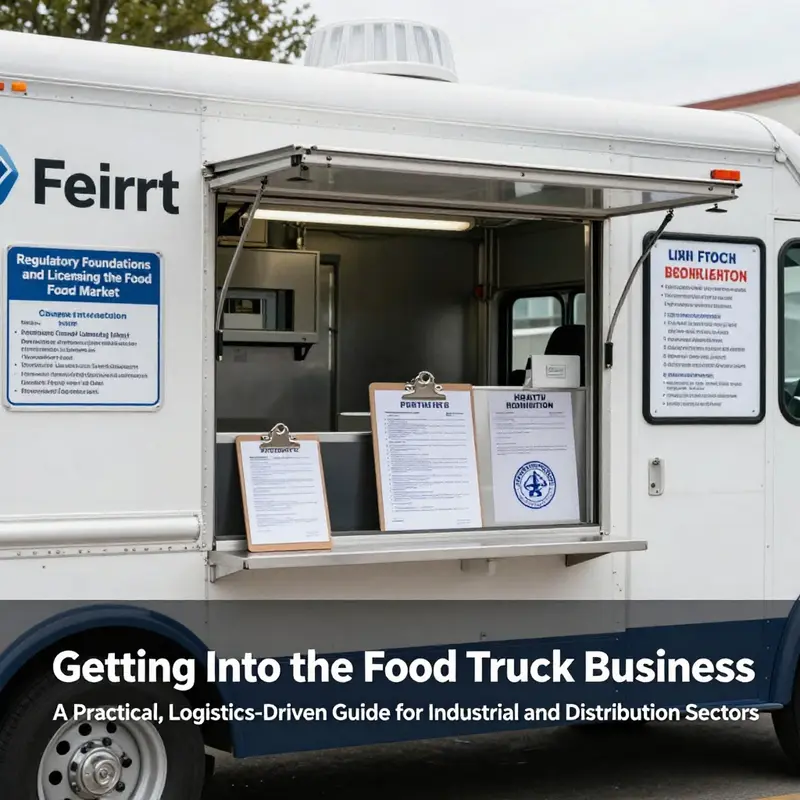
Launching a food truck starts with a clear view of the legal terrain beneath your wheels. Regulations shape where you can park, what you can sell, how you must prepare food, and how your business is taxed. Understanding that framework early saves time, protects cash flow, and prevents sudden shutdowns. This chapter walks through the essential permits, the practical steps to secure them, and the mindset that keeps a mobile kitchen compliant and resilient.
At the core of your legal responsibilities is business registration. Formally registering your company establishes it as a tax entity and separates personal liability from business operations. Most entrepreneurs obtain an Employer Identification Number to manage tax reporting and payroll. That single act unlocks the ability to open business bank accounts and apply for commercial licenses. Treat registration as a foundational step, not an afterthought.
Local licensing is where complexity grows. Municipalities, counties and states each impose rules that vary widely. Common requirements include a general business license, a mobile food vendor permit, and a permit from the local health department. The health department’s role is central: it inspects your vehicle, evaluates your food handling processes, and issues a permit based on sanitation, storage, and cooking safety standards. Inspections often occur both before opening and periodically after you begin operations. Prepare for them by documenting procedures, keeping the truck clean, and training staff.
Food safety training is not optional. In many jurisdictions every employee who handles food must complete a certified food handler course and carry a permit. These short courses cover temperature control, cross-contamination prevention, and personal hygiene. Invest in documented, repeatable training and maintain records for inspections. A single lapse in food handling documentation can cost hours of disruption and costly fines.
Sales tax obligations are another essential thread in the regulatory web. If you charge customers for prepared food, you are likely required to collect and remit sales tax. Registering for a sales tax permit and understanding which items are taxable will keep your accounting tidy and avoid penalties. Tax rules differ by state and locality: some jurisdictions exempt certain prepared foods, while others tax beverage sales differently. Work with an accountant or use trusted state resources to set up the right processes from day one.
Zoning and parking rules determine where your truck can do business. Cities often designate specific vending zones, restricted areas, and time windows for mobile vendors. Some high-traffic zones require additional permits or agreements with property owners. Others prohibit vending within a defined radius of brick-and-mortar restaurants. Before you commit to a location, map the local rules and note enforcement patterns. A location that seems ideal can be off-limits without a special permit or a negotiated hosting arrangement with a local business or event organizer.
Events, markets and private catering present additional permit layers. Event organizers often require proof of insurance, copies of health permits, and vendor contracts. For private events, some states require temporary event permits. Build a simple checklist for each type of venue so you can show up prepared. Consistently presenting the correct paperwork smooths relationships with event planners and reduces the chance of last-minute refusals.
Insurance is a regulatory expectation and a practical necessity. General liability insurance protects against claims of bodily injury or property damage tied to your operations. Commercial auto insurance covers the truck and its operations on the road. Some venues and municipalities require specific coverages, including product liability and worker’s compensation. Shop for policies that match your risk profile and retain certificates of insurance to share with permit offices and event hosts.
Vehicle compliance brings its own standards. Food trucks must meet safety and equipment codes set by local authorities. That includes adequate refrigeration, secure fuel systems, ventilation and fire suppression when cooking equipment is present. If you buy a used truck to keep startup costs down, have it inspected by a licensed contractor to confirm it meets current standards. Upgrades done later can be more expensive than addressing required corrections before your first inspection.
Record-keeping eases regulatory burdens and supports smooth audits. Keep copies of all permits, training certificates, inspection reports, insurance declarations, and tax filings in both physical and digital form. Maintain a calendar of permit renewal dates and inspection windows. Use a cloud folder with shared access for managers to retrieve documents quickly when questions arise. A simple filing system prevents missed renewals and avoids the stress of scrambling for documents during enforcement visits.
Relationships with regulators can be surprisingly helpful. Rather than treating inspections as adversarial, view them as opportunities to learn expectations and demonstrate professionalism. Attend local vendor meetings, join a mobile food association, and ask the health department for a checklist before inspection. Regulators often appreciate proactive vendors who seek clarification and follow protocols.
The regulatory landscape evolves. Cities update vending zones, change sanitary standards, and adopt new licensing software. Stay informed by subscribing to local government newsletters and joining vendor groups that share updates. A small monthly investment in tracking changes protects your license to operate and prevents sudden compliance shocks.
Operational tweaks reduce regulatory risk. Design a menu built for safe transport and rapid service. Limit high-risk items that require complex temperature control. When you introduce new menu items, document preparation steps and update training. Establish daily sanitation routines and temperature logs for refrigeration and hot-holding units. Routine documentation is persuasive during inspections and reduces the likelihood of foodborne incidents.
Cost planning must include regulatory fees. Permit applications, monthly or annual renewals, inspection fees, and required training carry direct costs. Factor permit timelines into your launch plan; some permits take weeks to approve, and delays in approvals can shift your opening date. Build a buffer for fee increases and consider the financial impact of operating restrictions that limit where you can sell.
Finally, successful operators treat compliance as ongoing management rather than a one-time hurdle. Assign responsibility for permit renewals and regulatory monitoring to a specific person. Create a simple operations manual that records compliance procedures, contact information for regulators, and a renewal calendar. With these elements in place, your truck can move quickly to seize opportunities without exposing the business to avoidable legal risk.
For authoritative, step-by-step guidance on federal, state and local requirements, consult the Small Business Administration’s resource center for mobile vendors. It provides up-to-date information on business registration, tax IDs, and links to local resources: https://www.sba.gov
For insights into partnership and community outreach strategies that can broaden your vending opportunities, consider exploring perspectives on trucks supporting local communities at trucks for change — supporting vulnerable communities: https://titanbusinesstrucks.com/trucks-for-change-supporting-vulnerable-communities/
Understanding regulatory foundations is not about fear of rules. It’s about recognizing that compliance lubricates growth. When training, permits, insurance, vehicle safety and record-keeping are organized, you can focus on serving food, building a brand, and expanding to new locations with confidence.
Chapter 2: Reading the Street—Market Research and Location Strategy for Launching a Food Truck
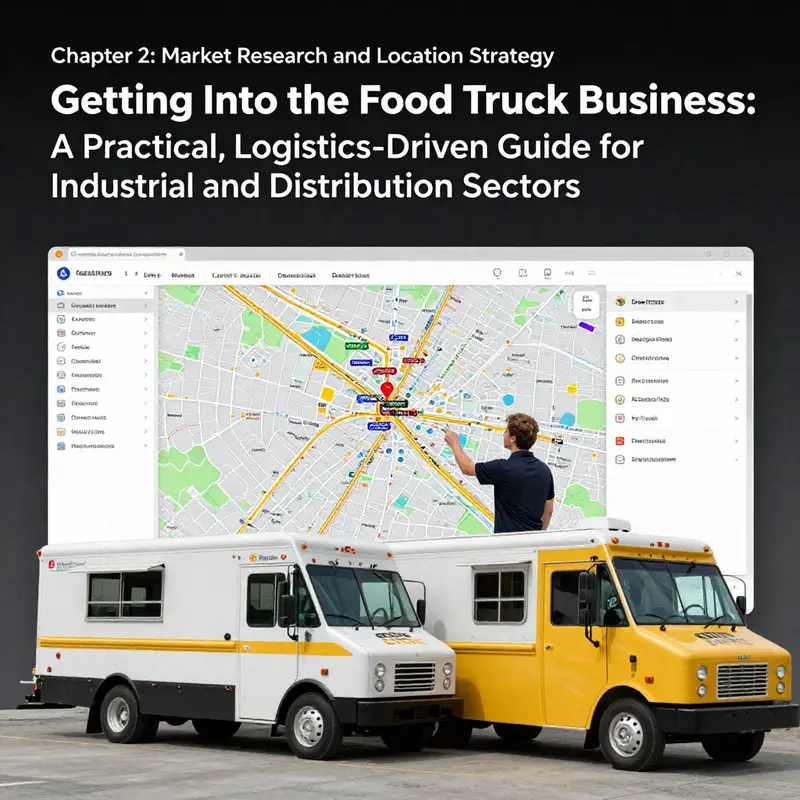
The market for food trucks is more than a trend; it is a dynamic space where speed, flavor, and location intersect. In recent years, growth has hovered around the 6 percent to 7 percent range, a signal that urban dining demand remains resilient even as competition intensifies. This context matters because market research and location strategy are not separate activities but two halves of a single plan. The numbers tell you there is appetite for mobile food concepts, but your success hinges on understanding who your customers are, where they gather, and when they are most open to trying something new. A strong plan starts with data about people and places and ends with a strategy that aligns a compelling menu with the right corner of the street. In this light, research becomes your compass, while location strategy acts as your engine on a busy city block or at a bustling event.
To begin, you need a clear read on who will buy from you and why they will choose you over the other options on the curb. Market research in this setting should center on local demographics, not generic averages. Age distribution, income levels, commuting patterns, and lifestyle preferences shape what kind of food travels well, what price points resonate, and which hours you should target. It is not enough to know that a district has foot traffic; you must know the cadence of that traffic. A downtown core might bustle at lunch and drain by mid-afternoon, while a university area could stay vibrant into the early evening. Understanding these rhythms helps you map a realistic schedule and minimizes idle hours. The best operators also watch demand indicators such as the prevalence of nearby offices, hospitals, factories, or entertainment venues. These places create predictable streams of potential customers and can justify a longer operating window or a rotating menu that suits different crowds.
Alongside demographics, you must map the competitive landscape. A thriving market can still be crowded with trucks offering similar fare. The question is what gaps exist and how your concept can stand apart. Look at menus, price ranges, and the speed of service. Consider whether there is an underrepresented cuisine, a dietary niche, or a flavor profile that resonates with local tastes but is not yet saturated. Competitive intelligence should extend beyond what is on other trucks’ plates. It should consider how those competitors position themselves, how they handle peak times, and the ways in which they attract repeat customers through loyalty programs or social media. If you find several trucks in the same lane with heavy lunchtime lines, you might look to a different hour, a different location, or a different menu angle to avoid cannibalization. The aim is not to imitate but to complement the neighborhood food scene while offering something a little different or a lot better on flavor, speed, or value. Market research also requires an honest assessment of the regulatory environment. Where you operate shapes what is feasible. Parking rules, health inspections, and permit costs can vary widely from one neighborhood to the next, and a plan that looks ideal on paper may be stymied by a local ordinance or a prohibitive license fee. In some markets, a premium location comes with stiff daily fees or strict time windows that affect your daily math. A robust plan therefore blends market insights with regulatory realities, always building a buffer for disruptions and changes.
Beyond who and where, it is essential to quantify the economics of each location you might consider. This involves estimating average ticket size, food costs, labor, and overhead within the local context. A location that seems high-traffic could still yield slim margins if the price points required to cover costs push customers away. Conversely, a lower-traffic site can be economically viable if you offer a premium product with faster turnover or a smaller labor footprint. The key is to model profitability by location rather than by dream. This is where a practical, disciplined approach helps. Begin with the demographics and demand indicators you uncovered, then translate those insights into a revenue forecast that reflects realistic price points. From there, layer in permits, parking fees, insurance, utilities, and fuel. The result is a break-even analysis that forces you to confront the realities of each site. You will often find that the most attractive spots require flexibility in your operating hours, a willingness to pilot and adjust, or a combination of several smaller sites that together yield stable daily revenue rather than a single prime perch.
To transform these insights into action, you need a deliberate process that guides both your reconnaissance and your execution. Start by defining your target customer with precision. Who is your ideal patron—professionals seeking a quick, flavorful lunch, students looking for a daily novelty, families craving a casual dinner, or late-night crowds after events? The more specific you are, the easier it becomes to judge a location’s fit. Next, conduct market reconnaissance by mapping high-foot-traffic corridors and tagging 5 to 10 potential spots in each category—downtown cores, business districts, campuses, stadiums, and nightlife zones. For each location, note typical lunchtime and dinnertime flows, nearby competitors, price ranges, permit requirements, and the surrounding businesses that drive foot traffic. This granular intake creates a data-rich picture that can be analyzed and compared rather than relied on impressions alone.
Crafting a calendar of peak times and events is equally important. Local farmers markets, concerts, sports games, and seasonal fairs can be gold mines for a short window of demand, and understanding when these occur helps you schedule deployments that maximize uptime without overstretching the crew. In many markets, a well-timed pop-up or a short-term permit can validate a concept with minimal upfront risk. For aspiring operators with tight budgets, these low-cost pilots provide essential feedback on what works with your audience before committing to a permanent truck or a long-term lease. The goal is to learn quickly and cheaply, capturing data on daily sales, peak hours, and customer turnout to refine your approach.
A practical outcome of thorough research is a location scoring matrix that weighs the most important criteria for your concept. Foot traffic and visibility are obvious drivers of payback, but consider other factors such as permit costs, the ease of setup, safety, and proximity to complementary businesses like coffee shops, gyms, or office buildings that can funnel customers toward you at specific times. Translate these criteria into a scoring system, compare each site, and prioritize those that deliver the best balance of risk and reward. As you build this framework, you should also model financial viability by location. Estimate revenue potential per site using traffic estimates and your target price point, then subtract costs such as permits, parking fees, insurance, utilities, labor, and fuel. This exercise reveals the real order of operations for your business and cautions against overreliance on glamorous but impractical locations.
The research you collect will be meaningless without a plan to navigate risk and regulation. Compile a comprehensive checklist of required licenses, health inspections, and insurance, then map out a contingency strategy for permit denials, restricted zones, or seasonal restrictions. The best operators treat location strategy as a living process, adapting to new events, shifting demographics, and evolving city rules. A flexible posture is essential because urban markets are dynamic and often unforgiving to rigid plans. You should also plan for weather and seasonal fluctuations, choosing locations that perform in adverse conditions or that can be reached by a mobile deployment during shoulder seasons. The aim is to create a resilient network of serving points rather than a single, fragile anchor that could collapse with a minor setback.
Data sources matter as much as the ideas you generate. Official sources such as government agencies and industry associations provide validated data, regulatory guidance, and trends. The U S Small Business Administration offers foundational resources that help you understand the market, refine your business model, and stay compliant as you grow. In parallel, local chambers of commerce and city portals can illuminate permit costs, waiting lists, and neighborhood needs. The combination of demographic insight, competitive intelligence, and regulatory awareness becomes your decision engine, directing you toward locations that maximize your chances of success while keeping you within your financial boundaries.
In the spirit of building a resilient business, consider the human element that undergirds every operational decision. The most successful operators balance data with the ability to connect meaningfully with customers and partners. They cultivate a brand story that travels with them—an identifiable concept, a reliable schedule, and a consistent experience that keeps people coming back. To emphasize this, think about investing not just in equipment and permits but in the people who will execute the plan. The ethos of investing in people is a cornerstone of operational excellence for food trucks, and it deserves explicit emphasis in your strategy. For a concise articulation of this approach, you can explore further insights about investing in people as a key to trucking success, which translates well to the mobile food business and the culture of a crew that operates under pressure and in changing environments. Investing in people: key to trucking success.
As you assemble your plan, keep a lens on the sources that validate your conclusions. Official data serves as your north star, while on-the-ground reconnaissance provides the nuance that numbers cannot capture. A robust market research process is not a one-off exercise but a disciplined habit: continuously monitor neighborhoods, adjust to event calendars, and stay attuned to the evolving tastes of the community you serve. When you pair precise targeting with flexible deployment, you build a food truck operation that can ride the wave of urban appetite rather than chase it. This integrated approach—grounded in data, sharpened by local context, and executed with a crew that knows how to move efficiently—creates the alignment between market realities and your menu, your price points, and your operating schedule.
The road ahead is not a straight line, but a well-mapped route. By understanding who your customers are, where they gather, and when they crave convenient, high-quality bites, you position your truck to appear where demand already exists while adapting to the unexpected. The street becomes less a shuffle of random opportunities and more a curated grid of viable sites. As you transition from research to action, keep your eyes on two anchors: the demand you’ve quantified and the environments you’ve learned to navigate. If you can forecast flows, balance costs, and keep your concept fresh in the minds of passersby, you will convert insight into repeat customers and repeat customers into a stable, growing business. The next step in your journey is to translate this understanding into menu design, workflow optimization, and a practical operations plan that can scale across multiple locations or events without losing the essence of the experience. The map is laid out in front of you; your job is to walk it with confidence and curiosity, ready to adjust as the city changes and the crowds arrive.
External resources can ground your plan in proven frameworks. For foundational guidance on business planning and regulatory considerations, refer to official small business resources such as SBA. This external resource helps you validate assumptions and plan for long-term viability in a rapidly evolving urban food scene. https://www.sba.gov
Menu Mastery and Kitchen Flow: Designing a Profitable Food Truck Experience
Menu Mastery and Kitchen Flow: Designing a Profitable Food Truck Experience
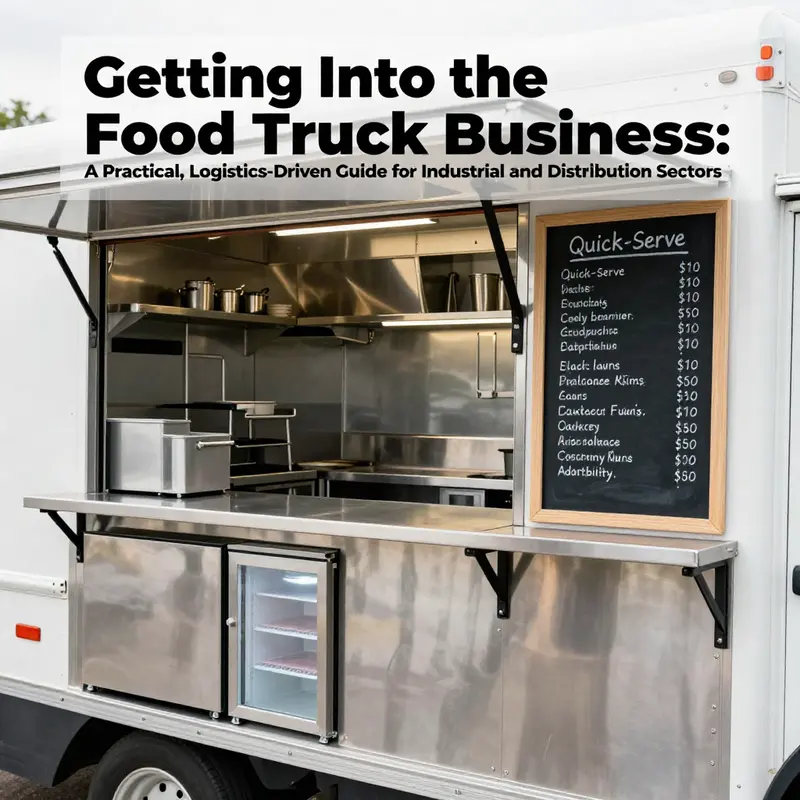
A food truck lives or dies by what it serves and how fast it serves it. Those two forces—menu design and operational flow—are inseparable. One defines what customers come for. The other determines whether those customers leave satisfied, tell friends, and return. Treat the menu as the business’s promise: a clear, repeatable experience you can deliver from a cramped kitchen on wheels. Then build the truck’s workflow around that promise so the experience is consistent, fast, and profitable.
Start with ruthless focus. A compact menu of six to twelve items is not a compromise; it is a strategic advantage. Fewer items mean faster service, tighter inventory control, and fewer points of failure in tight quarters. It also makes training simple. When staff need only master a handful of recipes and a predictable workflow, quality climbs and mistakes fall. That consistency becomes part of your brand—customers learn what to expect, and that expectation fuels repeat business.
Your menu should also tell customers who you are. Choose a clear niche and own it. Whether you pursue a regional street-food specialty, a plant-forward concept, or elevated comfort food, clarity matters. A focused identity lets you concentrate on flavor profiles and ingredient sourcing that reinforce it. When you select dishes that travel well and hold up under bright lights and short waits, you protect both taste and reputation. Think about textures and sauces that won’t sog, proteins that reheat or hold at safe temperatures, and sides that can be assembled quickly.
Customization adds perceived value without bloating complexity—if managed correctly. Offer build-your-own options with controlled choices: a base, two proteins, three sauces, and a set of toppings. Limit the permutations so prep stays efficient. Use standardized portions and clear plating rules. This gives customers agency while keeping order times short and inventory predictable.
Sourcing is a back-end discipline that shows up on the plate. Reliable suppliers reduce last-minute substitutions and menu drift. Negotiate for predictable delivery windows and establish minimum quality standards. For perishable items, prioritize suppliers who understand the needs of mobile operations: consistent pack sizes, timely deliveries, and clear cold-chain practices. When refrigeration space is scarce, pick ingredients that offer a long shelf life or can be prepped into components that maximize fridge space.
Food safety and consistency must be non-negotiable. Standardized recipes and portion controls ensure that every taco or sandwich carries the same flavor and cost. Document recipes with exact weights and times. Use temperature logs, clear labeling, and first-in, first-out rotation to prevent waste and health risks. These systems protect your customers and your margins.
Inside the truck, every square foot must justify itself. Design the layout around motion, not aesthetics. Place high-use items within arm’s reach of the cook line. Organize tools and ingredients by sequence of use: prep, cook, assembly, service. This minimizes steps and shortens order cycles. Consider vertical storage for dry goods and compact refrigeration for prepared components. Use equipment that matches volume and menu style; a heavy-duty grill that’s too large will burn fuel and space, while the wrong oven will slow service. Size equipment to peak demand.
Mise en place—advanced preparation—is the engine of speed. Break the day into prep windows: morning setup, mid-day restock, and post-service cleanup. Pre-portion proteins, pre-chop garnishes, and portion out sauces. Where possible, prepare components that simply need finishing on the line. Doing so preserves flavor and lets your small team focus on quick assembly rather than full cooking.
Staffing is a balancing act between labor cost and service speed. Cross-train employees so they can shift roles as needed. A two-person rush team should be able to handle ticket taking, cooking, and assembly without stepping on each other. Create clear role descriptions for peak times: one person takes orders and handles payments, another handles cooking and assembly, with both knowing how to step into each other’s tasks. Train with repetition and role-play to simulate rush demands. When everyone knows the choreography, the line moves.
Time-of-day and location shape menu choices and operational demands. Lunch crowds expect speed and value. Evening or event crowds may accept slightly longer waits for more elaborate items. Match your core offerings to your prime operating windows. Keep a handful of ultra-fast options for late-night or festival settings—items that can be assembled in under two minutes and still deliver a bold flavor punch.
Technology is not a gimmick; it is a practical tool for managing scarce resources. Choose a POS system that integrates sales, inventory, and simple analytics. Track which items sell fastest, which combinations drive higher checks, and when your peak windows truly occur. Use that data to refine prep lists and reorder points. Integrating inventory with sales reduces stockouts and overbuying, which both erode margins. Even simple daily reports can reveal which items cost more in labor or waste than they return in sales.
Waste reduction ties directly to profitability. Monitor portion sizes and track unsold inventory. Convert surplus into limited-time specials rather than letting product spoil. Use accurate forecasts to purchase only what you can reasonably sell. When you see recurring waste patterns, reassess menu items or portion sizes. A profitable truck is attentive to both revenue and the small, avoidable losses that accumulate.
Packaging and presentation are the final touchpoints that reinforce your promise. Choose packaging that preserves quality and supports mobility. Greasy or leaky containers harm perception and create operational headaches. Packaging also communicates brand values: eco-friendly materials can reinforce a sustainability-focused niche, while sturdy, stackable boxes speed festival service. Standardize how items are plated or boxed so staff can close tickets quickly and uniformly.
Community engagement supports both sales and operational rhythm. Regular locations allow you to streamline stock and prep for predictable crowds. Partnering with nearby businesses or participating in recurring events helps you forecast demand and reduce the guesswork that leads to excess waste. Community ties can also generate advance orders for catering and private events, offering revenue during slower hours and predictable prep cycles.
Finally, treat the menu and operations as living systems. Test new items as specials, not permanent fixtures. Collect feedback and track sales before committing. Use slow periods for experimentation and iteration. Continuous small improvements—tweaking a sauce, changing a portion size, adjusting prep sequences—accumulate into a smoother service and healthier margins.
A food truck that harmonizes a tight, compelling menu with an optimized kitchen flow becomes more than a mobile restaurant. It becomes a dependable brand that customers can rely on. That dependability grows trust, drives repeat visits, and creates the operational predictability needed to scale. Keep the promise on the plate and make every motion in the truck advance that promise.
For a practical reference on food business ideas and planning, see this guide: https://www.shopify.com/south-africa/blog/food-business-ideas-16-ways-to-be-the-boss-2026
For examples of community-oriented fleet initiatives and outreach that can inspire local partnerships, review this write-up on trucks-for-change support: trucks-for-change support for vulnerable communities.
Vehicle, Kitchen, and Compliance: Grounding a Safe, Profitable Food Truck
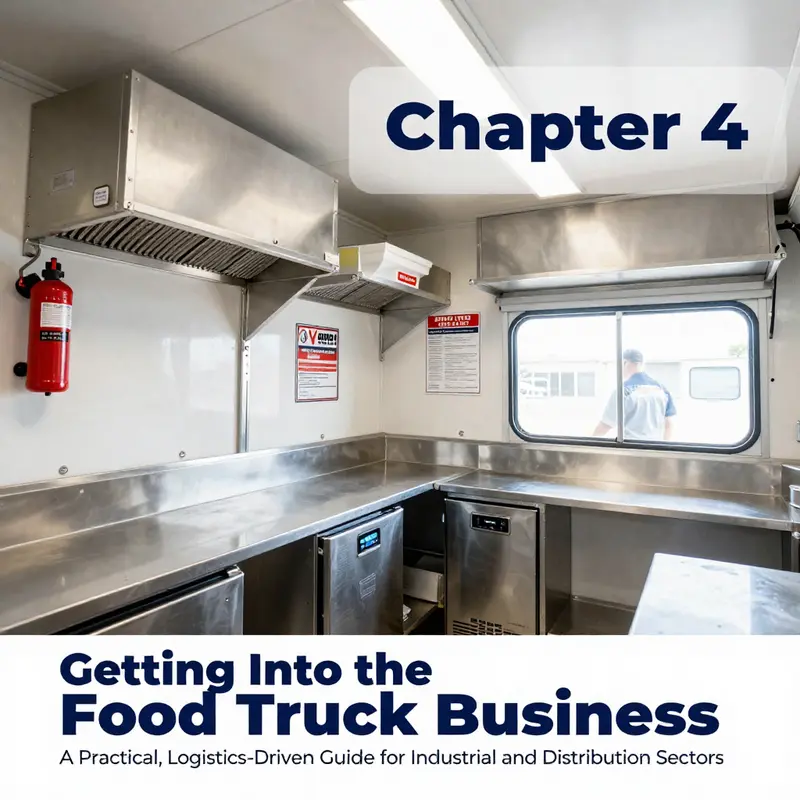
Choosing to enter the food truck world is about more than a great menu. The vehicle you pick, the way you outfit it, and your commitment to safety and compliance form the backbone of every successful operation. When treated as interdependent parts of a single system, these elements reduce risk, lower long-term costs, and position your truck to adapt to changing markets.
The journey begins with the vehicle itself: converted cargo vans, box trucks, and modular units each offer different balances of cost, space, and maneuverability. Size and layout matter not only for menu fit but for a smooth workflow on wheels. A well-planned interior supports a clear sequence from prep to cook to service, minimizes cross-contamination, and speeds service during peak hours. Consider fuel efficiency and maintenance costs, too; a vehicle that guzzles fuel or requires frequent repairs squeezes margins, especially if you travel between neighborhoods and events. Your choice should align with local regulations; map out your planned operating zones and verify that your vehicle configuration will be allowed there. Always check local licensing and permitting rules before purchasing or modifying a vehicle. For practical guidance, many operators consult municipal resources such as city mobile food vendor programs.
Beyond the chassis, the kitchen defines your capabilities. A mobile kitchen must be compact yet capable, designed for safe, consistent results in varied conditions. Essentials–cooking appliances, refrigeration, water supply, waste disposal, and ventilation–should enable a repeatable sequence from raw ingredient to finished plate. Favor modular, commercial-grade units that fit tight spaces, are easy to install, and tolerate daily mobile use. Cleanliness and sanitation require special attention on the move: properly plumbed sinks, reliable grease management, and a clear plan for waste collection and disposal are non-negotiable. Energy efficiency and heat management matter too; the interior should stay comfortable for staff and safe for customers, even in hot weather.
Safety and regulatory compliance underpin daily operations. Many jurisdictions require at least one staff member to hold a valid food safety certification, such as ServSafe, as a basis for consistent practices like proper handwashing and avoiding cross-contamination in a moving line. A HACCP plan helps identify hazards and establish critical controls, simplifying inspections and documenting corrective actions when deviations occur. Waste management, fire safety, and ongoing inspections are equally essential; grease handling, waste haulers, fire suppression systems, and digital logs may be required. These elements are not optional add-ons; they anchor every decision, from menu to location, service hours to staff training.
Finally, know where to turn for guidance. Local portals provide checklists, permit steps, and inspection schedules, while national organizations offer broader guidelines that translate to mobile operations. Weaving these resources into a practical operating manual helps your team stay compliant day after day, whether you’re in a downtown corridor or at a temporary festival. When vehicle, kitchen, and compliance align, your operation becomes more resilient, more scalable, and better positioned to deliver reliable, safe, and delicious experiences that keep customers coming back.
Branding on Wheels: Building Community and Growth in the Food Truck Business
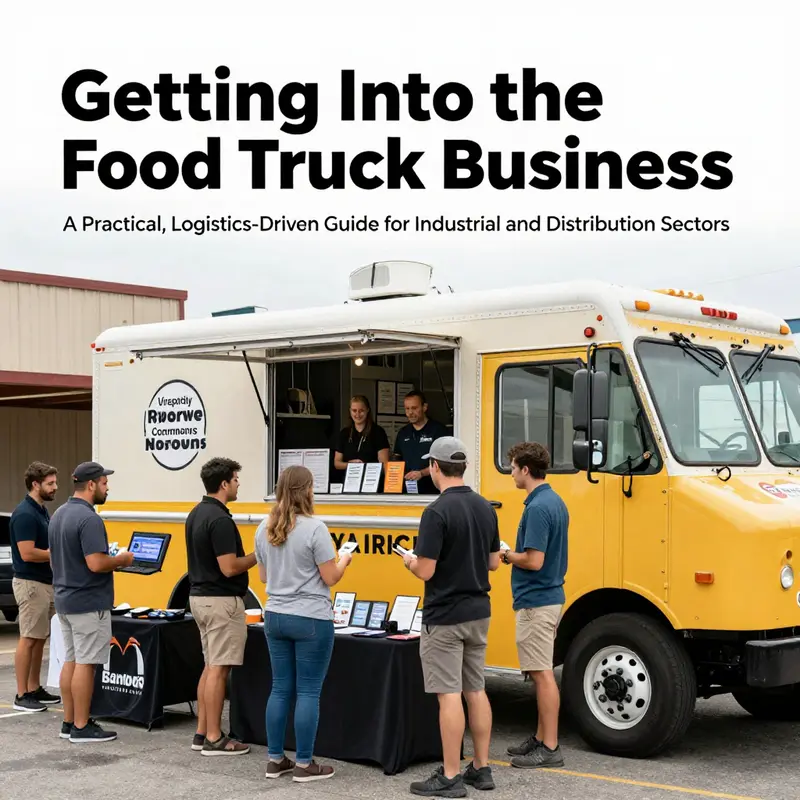
Launching a food truck is less about chasing novelty and more about delivering a consistent, memorable experience wagon after wagon. The meals you serve are essential, but the brand that accompanies them travels before and after the bite. Branding on wheels means crafting a story that people can taste in every interaction—the name, the menu, the visual identity on the truck, the tone of your social posts, and the way your staff greet a queue. When these elements align, your truck becomes more than a place to eat; it becomes a recognizable presence in the neighborhoods you serve. In markets where dozens of trucks compete for attention, a clear brand acts like a lighthouse, guiding curious passersby toward a familiar, trustworthy experience. The most durable brands in the mobile food space don’t rely on a single trait. They weave together origin stories, culinary personality, and a consistent service ethos that people begin to expect, even before they see the first bite or smell the first burst of aroma around the corner.
A strong brand starts with authenticity. It is rooted in the values you bring to the truck—where ingredients come from, how recipes are developed, and the promise your business makes to the community. If your narrative centers on regional comfort foods and a nostalgic, homey vibe, that story should show up everywhere. The menu should reflect that voice, the vehicle should look the part, packaging should carry the same warmth, and the staff should embody it in their conversations. Consistency builds trust, and trust is what turns a one-off lunch into a repeat visit, a loyal following, and a circle of advocates who spread word of mouth on crowded sidewalks and busy festival grounds. Storytelling becomes a competitive edge when it is earned through lived experiences rather than borrowed clichés. A brand built on genuine storytelling invites customers to become part of the journey, not just spectators at a single meal.
The brand also needs to be practical. A memorable identity is most valuable when it translates into efficient operations. Your branding should inform menu design, equipment placement, and even the way you package food for takeout. Color schemes, fonts, and signage should mimic the emotions you want to evoke—comfort, energy, freshness, or audacity—without compromising legibility or safety. The menu should be crafted for quick, reliable preparation on a moving vehicle. Dishes that travel well, service that remains swift during peak times, and packaging that preserves temperature and presentation all reinforce the brand’s reliability. When customers can predict not only the flavors but the rhythm of service, they feel understood and valued. That sense of reliability is a cornerstone of brand loyalty, which in turn fuels repeat business and positive recommendations.
Branding also extends into the social realm. A consistent voice across platforms helps your audience recognize you in a sea of options. The tone should reflect your brand’s personality, whether that means playful and bold, rustic and honest, or refined and creative. Visuals—photos of the food, the people behind the grill, the truck’s exterior, and the packaging—should convey that same personality. Behind the scenes, the way you respond to feedback, celebrate milestones, and highlight community ties reinforces the brand promise. People want to support brands that feel human, transparent, and connected to their surroundings. When your social presence feels like a conversation with neighbors rather than a hard sell, you invite customers to become part of a shared scene. In a market tracked by trends and fads, authenticity remains a steady compass guiding decisions about new menu items, collaborations, and expansion plans.
Community is the natural arena where a well-crafted brand grows from a storefront on four wheels into a neighborhood institution. Food trucks succeed not just because they feed hungry crowds, but because they become part of local life. Participating in festivals, farmers markets, and street fairs creates visible touchpoints where people can encounter the brand in real life. More than a single dish, these events offer a stage to demonstrate values—seasonal sourcing, support for local producers, or a commitment to reducing waste through thoughtful packaging and compostable materials. The most enduring brands treat the community as an extended team, inviting feedback, co-creating seasonal menus, and recognizing regulars with small, meaningful gestures. Building relationships with organizers, other vendors, and small businesses opens doors to collaborations that extend reach without inflating costs. A loyalty program can be more than a punch card; it can be a gateway to ongoing dialogues with customers, early tastings of new items, and invitations to private tastings or pop-up events. In this sense, community becomes fuel for growth, not a side benefit. When people feel seen and valued, they become ambassadors, and the brand travels further than any single truck can.
Growth opportunities emerge most credibly when branding and community work in concert with practical business strategy. The mobility of a food truck grants the flexibility to test concepts, adjust menus, and alter routes in response to real-time feedback. A successful operator uses this agility to stage controlled experiments: a limited-time offering aligned with a local festival, a pop-up dinner that pairs flavors with a neighborhood venue, or a catering gig that scales the same branding language for a larger audience. Each experiment strengthens the brand by expanding its footprint in a way that is measurable and reversible if needed. As these tests accumulate, operators can identify which concepts resonate most with the local crowd and invest more confidently in capacity, equipment upgrades, and staff training.
Beyond the truck, growth often means multiplying touchpoints rather than multiplying trucks. A curated assortment of merchandise that echoes the brand’s storytelling, an option to pre-order meals for later pickup, or a subscription service for weekly meal kits can convert a mobile kitchen into a multi-channel brand. The real advantage lies in leveraging the truck as a flagship rather than a solitary revenue stream. The mode of delivery stays flexible while the core brand remains consistent across channels. This approach reduces risk and preserves the essence of what makes the brand unique, even as sales channels diversify. It also creates opportunities to partner with local producers, event organizers, and hospitality outfits for shared marketing efforts that benefit all parties involved.
When considering growth, it is essential to anchor expansion decisions in data and customer perception. Track which menu items travel best, which events deliver crowd engagement, and how long customers stay in line or linger after tasting a sample. Use this intel to refine branding choices, packaging, and staffing models. A brand that evolves with listening and learning—without losing its core identity—builds durability. This adaptability is particularly important in markets where tastes shift with seasons and demographics. A strong brand is a compass and a map: it points to what matters to your customers and shows the routes you will take to broaden your reach while staying true to your origins.
In the end, branding on wheels is a holistic discipline. It is not just about a catchy name or a striking wrap; it is about delivering a cohesive experience that echoes in every bite and every moment of interaction. Community waves extend the reach of that branding, turning casual visitors into regulars who bring their friends along for the ride. Growth comes as an extension of that same story—tested, refined, and multiplied across channels while staying anchored in the values that started the journey in the first place. As you plan your entry into the food truck world, let branding, community, and growth inform one another. Let your truck be a moving platform for a narrative people want to participate in, a platform that invites collaboration, and a vehicle for sustainable, scalable opportunity.
For readers seeking structured, practical guidance that complements these insights, a deeper dive into actionable ideas for launching a food truck business in 2026 can be found in this external resource: Shopify’s guide to food business ideas 2026. (https://www.shopify.com/blog/food-business-ideas-2026)
Final thoughts
A disciplined, enterprise-aligned approach to entering the food truck market reduces risk and accelerates value realization. By starting with regulatory foundations, then validating demand through targeted market research, refining a menu and operational model for rapid service, ensuring vehicle safety and compliance, and finally building a compelling brand with community partnerships, organizations can transform mobile catering into a scalable asset. The integrated five-step framework provides a practical path from on-paper compliance to on-site execution and long-term growth. Pilots at a single site or with a strategic fleet partner can yield measurable KPIs—service time, yield per transaction, and stakeholder satisfaction—while guiding iterative improvements that support broader rollout across campuses, job sites, and client events.