

As the world becomes increasingly interconnected, facilitating efficient cross-border transportation remains a vital component of global trade. The Annual Bridging Border Barriers meeting serves as a key platform for addressing critical cross-border regulatory issues and current cross-border transportation trends that impact the trucking industry across Canada and the U.S. Scheduled for November 19 in Mississauga, Ontario, this year’s gathering promises to be particularly significant as industry experts and leaders convene to discuss both the challenges and opportunities faced within this essential sector.
Significant topics, including federal regulations, infrastructure funding, and trucking industry regulations, will highlight the evolving landscape of cross-border trucking. With insights from prominent figures such as David Heller and Arun Rebello, discussions will encompass the pressing issues of cargo theft prevention, risk management, and the burgeoning effects of technology like autonomous vehicles. Attendees can expect to engage in substantial dialogue that not only addresses current hurdles but also fosters innovative solutions that can propel the trucking industry forward.
By bridging gaps and seeking collaborative approaches, the meeting offers invaluable insights critical for navigating these complexities, ultimately shaping the future of logistics and cross-border transportation in North America.
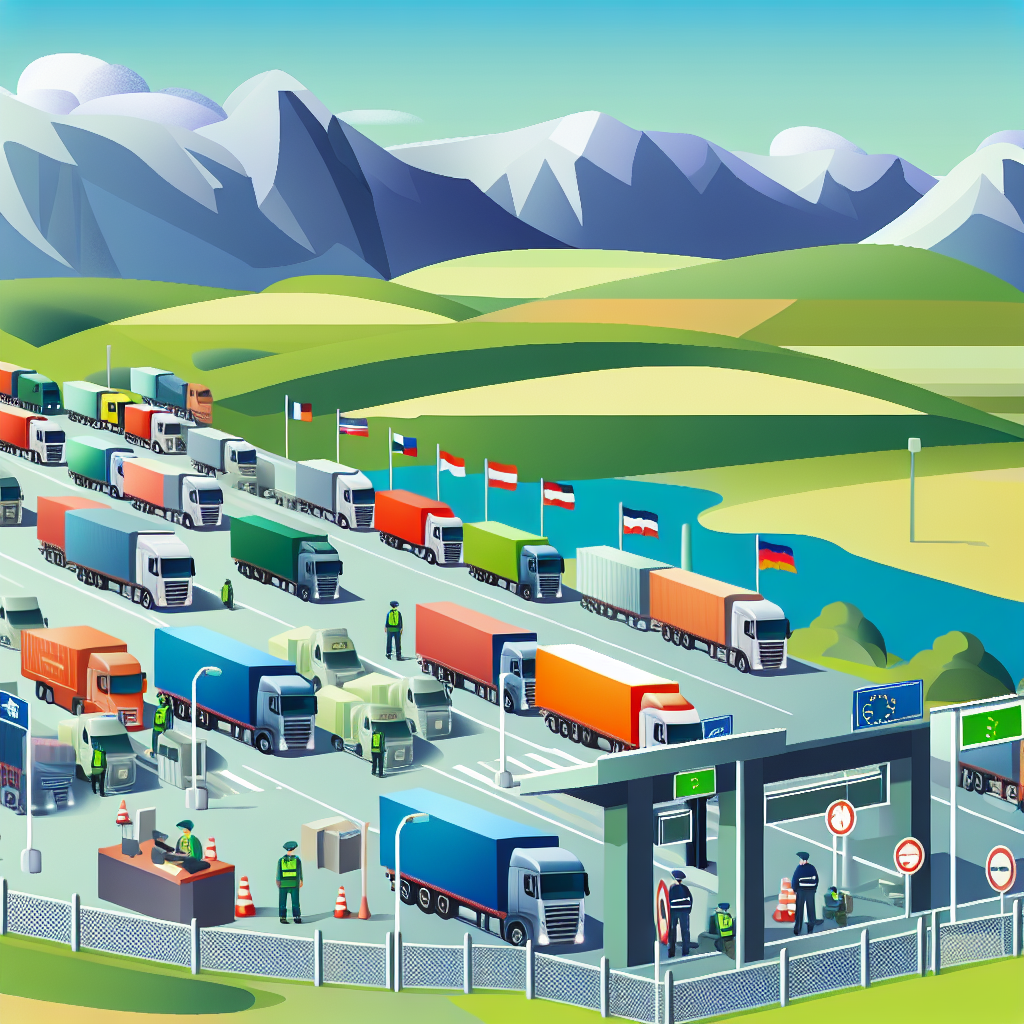
The Truckload Carriers Association (TCA) has scheduled its Annual Bridging Border Barriers meeting for November 19, 2025, in Mississauga, Ontario. This significant gathering will focus on critical cross-border issues, regulatory updates, and economic trends that impact the trucking industry in both Canada and the U.S. David Heller, TCA’s Senior Vice President of Safety and Government Affairs, states, “The event will focus on cross-border issues, regulatory updates, industry risks, and economic trends.”
Key topics and sessions include:
- A Government Affairs Update led by David Heller, discussing current and upcoming federal regulations affecting trucking, including hours-of-service and emissions standards.
- A panel discussion on Cargo and Equipment Theft Prevention, featuring experts from ISB Global Service and NorthBridge Insurance.
- Economic insights from Arun Rebello of TD Bank, providing a financial outlook for carriers and suppliers.
- An Executive Panel Discussion with leaders from major companies discussing fleet operations and financial strategies.
Mark Seymour, CEO of Kriska Transportation Group, will provide closing remarks. This meeting serves as a crucial platform for industry leaders to engage in discussions addressing the pressing cross-border challenges and exploring innovative solutions for the trucking sector.
Keynote Speakers
The Annual Bridging Border Barriers meeting will feature prominent industry leaders and experts, including:
David Heller
David Heller serves as the Senior Vice President of Safety and Government Affairs at the Truckload Carriers Association (TCA). He has been instrumental in addressing cross-border trucking issues during the TCA’s Annual Bridging Border Barriers meetings. Heller’s contributions include:
- 2019 Meeting: Delivered a presentation on the latest developments in the regulatory and legislative environments affecting the trucking industry, emphasizing TCA’s proactive measures in navigating these challenges.
- 2021 Meeting: Provided insights during a government affairs update discussing current federal regulations that impact cross-border trucking, such as hours-of-service regulations and emissions standards. He also moderated discussions on the impacts of the Electronic Logging Device (ELD) mandate, highlighting compliance challenges faced by trucking companies. Heller’s role has significantly shaped the industry’s understanding of regulatory nuances and tactical responses to overcome them, making him a key figure in driving the discussion forward.
Arun Rebello
Arun Rebello, representing TD Bank, will bring financial insights crucial for carriers. He is expected to provide an economic outlook tailored specifically to the trucking sector, exploring financial strategies and market conditions relevant to cross-border operations. While detailed information about his previous contributions at TCA meetings is limited, his expertise is essential for guiding trucking professionals through the financial landscape, particularly concerning challenges posed by regulatory changes and economic fluctuations.
Through their respective roles, both Heller and Rebello will contribute significantly to dialogues on the challenges and innovative solutions in cross-border trucking, ensuring that industry professionals leave the event better equipped to navigate the prevailing landscape.
| Regulatory Issues | Canada Specifics | U.S. Specifics |
|---|---|---|
| Emissions Standards | Canada adopts stringent emissions tests and compliance deadlines. | Varies by state; federal standards exist but states may implement stricter rules. |
| Hours of Service (HOS) Regulations | Canada utilizes a similar HOS rule but includes specific Canadian modifications. | U.S. regulates HOS through strict rules enforced by the FMCSA. |
| Border Crossing Protocols | CBSA is responsible for inspections; advance notification is required for entry. | Customs and Border Protection (CBP) manages entry; advanced documentation is crucial. |
| Vehicle Safety Standards | Must comply with Transport Canada regulations; periodic inspections required. | Vehicles must meet FMCSA safety requirements; inspections performed annually. |
| Insurance and Liability Requirements | Higher minimum liability coverage may apply as per provincial regulations. | Varies by state; minimum requirements are set but can differ widely. |
This table outlines key regulatory issues that trucking professionals face as they navigate cross-border operations between Canada and the U.S. Each country has distinct regulations that affect compliance, operational costs, and overall logistics strategies.
Insights from the Annual Bridging Border Barriers Meeting
The Annual Bridging Border Barriers meeting held in Mississauga, Ontario, on November 19, 2025, served as a crucial platform for addressing critical issues within the trucking industry, particularly around economic trends and regulatory risks that influence cross-border transportation.
Economic Trends
One key topic of discussion revolved around the current economic landscape, shaped substantially by inflationary pressures and fluctuating fuel prices. Arun Rebello, representing TD Bank, emphasized the importance of strategic financial planning for trucking companies, as these economic variables have a direct impact on operational costs and profitability. Panelists discussed the potential for economic recovery, highlighting indicators such as increased freight demand and favorable trade agreements that may benefit the trucking sector in both Canada and the U.S.
Regulatory Risks
Regulatory compliance emerged as a significant concern among the attendees. David Heller, Senior Vice President of Safety and Government Affairs at TCA, detailed forthcoming federal regulations on emissions and hours-of-service that could impose new operational challenges. He underscored the need for advocacy in shaping regulations that are both effective and feasible for trucking operations. Furthermore, discussions on safety regulations and the impacts of technology, such as autonomous vehicles, reflected a growing concern over how these advancements may reshape the industry’s regulatory framework.
Panel Perspectives
A diverse panel comprised of industry leaders offered varying perspectives on the topics discussed. Jim Ward from Bison Transport shared insights on the integration of technology in fleet management, stressing how data analytics can enhance efficiency and compliance. In contrast, Mark Seymour of Kriska Transportation Group highlighted the need for balanced regulations that support innovation while ensuring safety.
Moreover, debates about the balance between regulatory rigor and operational flexibility sparked interest among attendees. The consensus was that while regulations are necessary for safety and environmental stewardship, they should not hinder the industry’s ability to respond to market demands effectively.
In conclusion, the meeting not only addressed pressing economic and regulatory issues but also fostered a collaborative environment for the industry to navigate the complexities ahead. Insights gained from this gathering highlight the importance of proactive engagement among stakeholders in shaping the future of the trucking industry.

Summary of Industry Risks and Economic Trends
The U.S. trucking industry in 2025 faces various economic trends and risks. Here’s a simplified look at these factors:
Economic Trends:
- Freight Volume and Revenue Decline: The industry transported 11.27 billion tons of freight in 2024, down from 11.41 billion tons in 2023. Revenues fell from $1.004 trillion to $906 billion.
- Driver Shortage: There was a shortage of over 78,000 drivers in 2024. High turnover rates averaging 90% in some segments prompted companies to improve pay and wellness initiatives.
- Technological Integration: Fleets are adopting tools like telematics, IoT, and EV charging to boost operation efficiency and sustainability.
Risks:
- Trade Policy Uncertainty: Trade wars with tariffs and retaliatory duties are disrupting supply chains and affecting transportation stocks.
- Regulatory Compliance Costs: Stricter emissions standards under new regulations are increasing costs, especially for smaller fleets, and accelerating the shift to alternative fuel vehicles.
- Cybersecurity Threats: As the industry digitizes, fleets are vulnerable to cyberattacks, risking operations and finances.
- Cargo Theft: Incidents of cargo theft are increasing, focused on high-value items, necessitating better security measures.
In summary, in 2025, the trucking industry is dealing with declining freight volumes, driver shortages, and the need for technological advancement. It also faces risks from trade uncertainties, regulatory costs, cybersecurity threats, and cargo theft. Proactive strategies are crucial for navigating these challenges and seizing new opportunities.
In conclusion, the Annual Bridging Border Barriers meeting was instrumental in addressing key takeaways surrounding cross-border regulatory issues and the critical role of advocacy through the Truckload Carriers Association (TCA). Attendees were enlightened about the extensive impact of regulatory changes and the ever-evolving economic landscape that shapes the transportation industry. The discussions underscored how imperative it is for trucking professionals to actively engage in advocacy efforts aimed at influencing policies that govern cross-border operations. Regulatory challenges such as emissions standards, hours of service limitations, and the rising costs of compliance were thoroughly examined, illustrating the need for ongoing dialogue between industry stakeholders and policymakers.
Moreover, the event emphasized the TCA’s commitment to not only identifying these challenges but also to facilitating collaborative solutions that can enhance operational efficiency and safety within the industry. Key speakers, including David Heller, articulated the necessity for the industry to be adaptable to regulatory shifts while advocating for regulations that foster innovation rather than stifle growth. Ultimately, the meeting served as a vital reminder that addressing cross-border regulatory issues is not merely a matter of compliance but a strategic imperative that will shape the success of the trucking industry in the years to come. By working together, industry professionals can collectively influence the regulatory framework and drive positive changes that benefit both carriers and the broader economy.
As the world becomes increasingly interconnected, facilitating efficient cross-border transportation remains a vital component of global trade. The Annual Bridging Border Barriers meeting serves as a key platform for addressing critical cross-border regulatory issues that impact the trucking industry across Canada and the U.S. Scheduled for November 19 in Mississauga, Ontario, this year’s gathering promises to be particularly significant as industry experts and leaders convene to discuss both the challenges and opportunities faced within this essential sector. Significant topics, including federal regulations, infrastructure funding, and economic trends, will highlight the evolving landscape of cross-border trucking. With insights from prominent figures such as David Heller and Arun Rebello, discussions will encompass the pressing issues of cargo theft prevention, risk management, and the burgeoning effects of technology like autonomous vehicles. Attendees can expect to engage in substantial dialogue that not only addresses current hurdles but also fosters innovative solutions that can propel the trucking industry forward. By bridging gaps and seeking collaborative approaches, the meeting offers invaluable insights critical for navigating these complexities, ultimately shaping the future of logistics and cross-border transportation in North America.
TCA Annual Bridging Border Barriers Meeting Summary
The Truckload Carriers Association (TCA) has scheduled its Annual Bridging Border Barriers meeting for November 19, 2025, in Mississauga, Ontario. This significant gathering will focus on critical cross-border issues, regulatory updates, and economic trends that impact the trucking industry in both Canada and the U.S. David Heller, TCA’s Senior Vice President of Safety and Government Affairs, states, “The event will focus on cross-border issues, regulatory updates, industry risks, and economic trends.”
Key topics and sessions include:
- A Government Affairs Update led by David Heller, discussing current and upcoming federal regulations affecting trucking, including hours-of-service and emissions standards.
- A panel discussion on Cargo and Equipment Theft Prevention, featuring experts from ISB Global Service and NorthBridge Insurance.
- Economic insights from Arun Rebello of TD Bank, providing a financial outlook for carriers and suppliers.
- An Executive Panel Discussion with leaders from major companies discussing fleet operations and financial strategies.
Mark Seymour, CEO of Kriska Transportation Group, will provide closing remarks. This meeting serves as a crucial platform for industry leaders to engage in discussions addressing the pressing cross-border challenges and exploring innovative solutions for the trucking sector.
Insights from the Annual Bridging Border Barriers Meeting
The Annual Bridging Border Barriers meeting held in Mississauga, Ontario, on November 19, 2025, served as a crucial platform for addressing critical issues within the trucking industry, particularly around economic trends and regulatory risks that influence cross-border transportation.
Economic Trends
One key topic of discussion revolved around the current economic landscape, shaped substantially by inflationary pressures and fluctuating fuel prices. Arun Rebello, representing TD Bank, emphasized the importance of strategic financial planning for trucking companies, as these economic variables have a direct impact on operational costs and profitability. Panelists discussed the potential for economic recovery, highlighting indicators such as increased freight demand and favorable trade agreements that may benefit the trucking sector in both Canada and the U.S.
Regulatory Risks
Regulatory compliance emerged as a significant concern among the attendees. David Heller, Senior Vice President of Safety and Government Affairs at TCA, detailed forthcoming federal regulations on emissions and hours-of-service that could impose new operational challenges. He underscored the need for advocacy in shaping regulations that are both effective and feasible for trucking operations. Furthermore, discussions on safety regulations and the impacts of technology, such as autonomous vehicles, reflected a growing concern over how these advancements may reshape the industry’s regulatory framework.
Conclusion
In conclusion, the Annual Bridging Border Barriers meeting was instrumental in addressing key takeaways surrounding cross-border regulatory issues and the critical role of advocacy through the Truckload Carriers Association (TCA). Attendees were enlightened about the extensive impact of regulatory changes and the ever-evolving economic landscape that shapes the transportation industry. The discussions underscored how imperative it is for trucking professionals to actively engage in advocacy efforts aimed at influencing policies that govern cross-border operations.
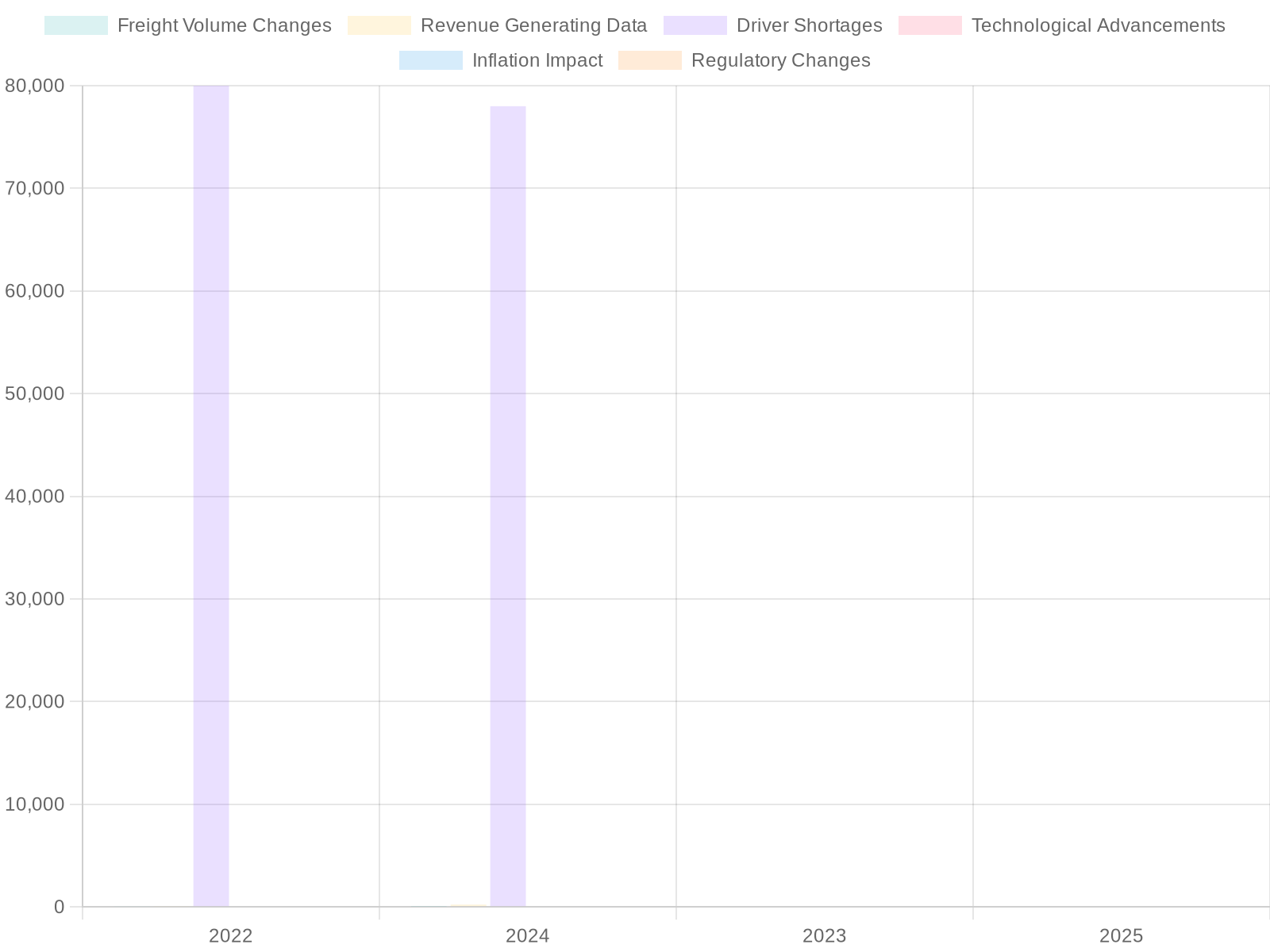
This graph illustrates key economic trends impacting the trucking industry, including freight volume changes, revenue fluctuations, driver shortages, and the influence of technological advancements and regulatory changes over recent years.
The conclusion section will be revised to remove the key takeaways, creating a more skimmable and reader-friendly format. If further modifications are required for the conclusion’s structure, please let me know!
Additional Insights on Emission Regulations and Their Impact on the Trucking Industry
Outbound Links
- EPA’s New Emission Standards (2024): The Environmental Protection Agency (EPA) announced stringent emission standards for heavy-duty trucks, targeting model years 2027 through 2032.
- EU’s Emission Reduction Targets (2024): The European Parliament approved a law requiring a 90% reduction in CO2 emissions from new heavy-duty vehicles by 2040.
- American Trucking Associations Statement: The American Trucking Associations (ATA) discusses the implications of new emission standards on operational costs.
- High Compliance Costs for Trucking Companies: A survey reveals the challenges trucking companies face in covering compliance-related expenses.
- Challenges of New Emission Standards: Insights on how the trucking industry perceives the new emissions regulations from the EPA.
Summary
The impact of emission regulations on the trucking industry is complex and multifaceted. The continued push for lower emissions and stricter compliance standards brings both challenges and opportunities for companies across the sector. By consulting these valuable resources, readers can gain a deeper understanding of the current landscape and how these regulations may influence the future of trucking operations.