
Introduction
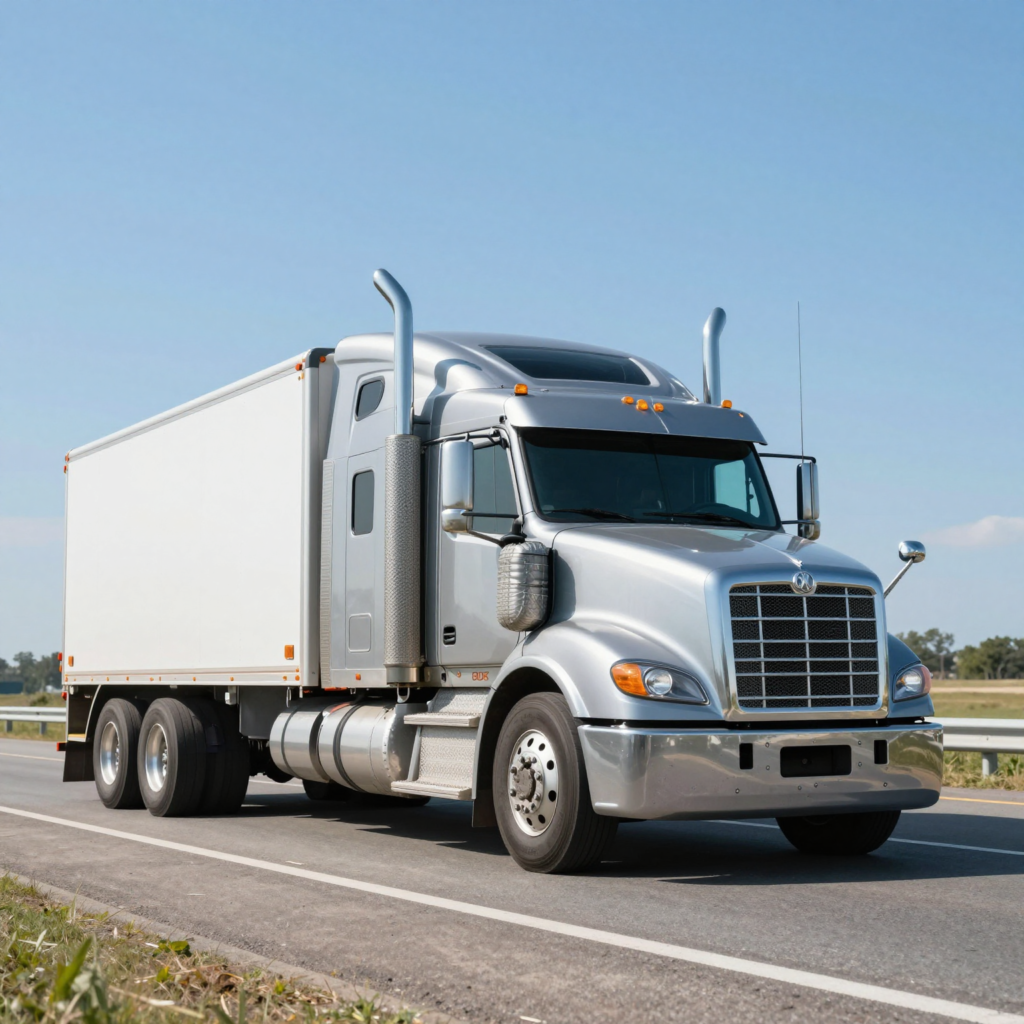
In the dynamic landscapes of logistics, construction, and food distribution, the right equipment can be the difference between success and failure. An 18-wheeler truck stands as a monumental investment for businesses aiming to elevate their operational efficiency. With the ability to transport heavy loads across diverse terrains and handle various cargo types, these trucks are not just vehicles, but powerful assets driving productivity and growth. Whether it’s delivering critical supplies to construction sites, distributing food products swiftly to meet consumer demand, or handling freight logistics, the significance of owning an 18-wheeler truck cannot be overstated.
Imagine having the capacity to streamline your operations, reduce transit times, and gain competitive advantages in your industry-this is precisely what an 18-wheeler brings to the table. With the evolving regulations in the trucking industry, understanding the key factors in purchasing such a vehicle becomes essential. From compliance with emissions regulations to investing in technology that enhances driving efficiency, equipping your business with the right truck can redefine your operational landscape. As we delve deeper into the process of purchasing an 18-wheeler, we’ll also highlight the strategic advantages offered by this vital investment for your business.
Identifying Business Needs for 18-Wheeler Trucks
Assessing the requirements and functions of an 18-wheeler truck is crucial, as it directly impacts operational efficiency across various business types, including logistics and freight, construction, fleet management, and food distribution.
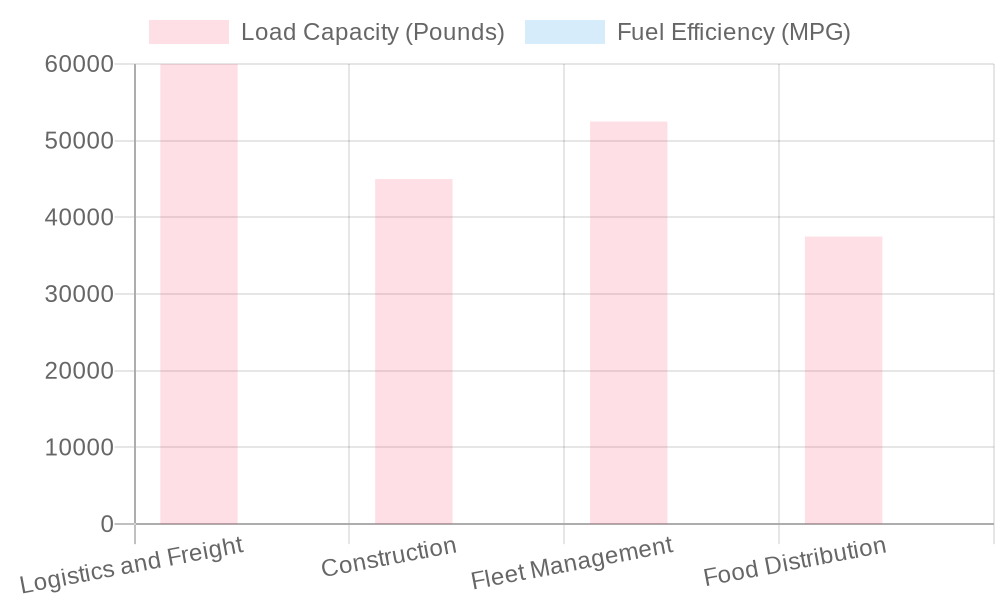
Load Capacity Considerations
Load capacity is one of the most critical factors when selecting an 18-wheeler. Different industries have unique needs:
- Logistics and Freight: These trucks typically have a load capacity ranging from 40,000 to 80,000 pounds. They are often equipped with high-capacity dry vans and refrigerated trailers to service long-haul routes efficiently while maintaining delivery schedules.
- Construction: Construction firms mainly use 18-wheelers for transporting heavy equipment and bulk materials, requiring a load capacity of 30,000 to 60,000 pounds, with configurations optimized for durability in rugged terrains.
- Fleet Management: Vehicles in this category can handle loads between 35,000 and 70,000 pounds, including a mix of cargo types. Fleet managers often prioritize newer models with advanced tech to maximize efficiency.
- Food Distribution: For transporting perishable goods, 18-wheelers are designed with a lower load capacity of 25,000 to 50,000 pounds but are essential for maintaining temperature control during transportation.
Fuel Efficiency Factors
Fuel efficiency is another key consideration and varies significantly across business types:
- Logistics and Freight: 18-wheelers in this sector achieve fuel efficiencies of 6.5 to 8.5 MPG, critical for reducing operational costs on long-haul trips.
- Construction: These trucks generally have lower fuel efficiency ratings, around 5.0 to 7.0 MPG, due to frequent stops and variable terrain.
- Fleet Management: Typically, fuel efficiency ranges from 7.0 to 9.0 MPG, often benefiting from the latest technology that enhances engine performance.
- Food Distribution: Here, efficiency ranges from 6.0 to 8.0 MPG, with additional challenges stemming from the need to power refrigeration units.
Conclusion
Understanding these factors helps businesses make informed decisions when purchasing 18-wheelers. By aligning truck specifications with operational needs, companies can enhance efficiency, reduce costs, and improve overall service delivery.
For more insights into the evolving logistics landscape, learn more about fleet management strategies and explore cargo theft reduction strategies.
| Truck Model | Engine Type | Capacity | Fuel Efficiency (L/100km) | Notes |
|---|---|---|---|---|
| 解放 J6P | 12.5L Diesel, 500 HP | 40 tons | 31.5 | Long-distance transport for coal, materials, cold chain. |
| 东风天龙 GX | 15.6L Diesel, 500 HP | 38 tons | 30.8 | Designed for full-load operation with high efficiency. |
| 重汽豪沃 TH7 | 12L Diesel / 280 HP | 38 tons | 32 | Suitable for urban and intercity transport; multiple options. |
| 陕汽德龙 X3000 | 13L Diesel, 500 HP | 40 tons | 30-35 | Ideal for heavy-duty freight; strong performance. |
Financing Options for Purchasing 18-Wheelers
Financing an 18-wheeler is a critical step for businesses in logistics, construction, and distribution. Various options are available, including loans, leasing, and grants. Each option has its own set of advantages and disadvantages.
1. Loans
Loans provide the opportunity to buy a vehicle outright, thereby granting full ownership. Here are the pros and cons:
| Pros | Cons |
|---|---|
| Lower initial outlay compared to full truck price. | Requires a credit check and approval process. |
| Full ownership once payments are completed. | Monthly payments can add up significantly, including interest. |
| Ability to customize the vehicle as needed. | Responsible for all maintenance and repair costs. |
| The truck can be sold or used as collateral. | Depreciation affects the resale value. |
According to Experian Automotive, as of December 2023, average interest rates for new truck loans stand at approximately 7.8% for borrowers with excellent credit and can go as high as 16.4% for subprime borrowers. This affects the long-term cost of ownership.
Learn more about truck financing options
2. Leasing
Leasing is often viewed as an alternative to purchasing. Here are its strengths and weaknesses:
| Pros | Cons |
|---|---|
| Lower monthly payments compared to loans. | No ownership of the vehicle at the end of the lease term. |
| Maintenance and additional services are often included. | Mileage limits may apply, leading to extra charges. |
| Flexibility to upgrade to newer models regularly. | Early termination fees might apply. |
| Predictable budget planning for fleets. | Limited customization options. |
Major leasing companies like Ryder often illustrate these benefits as a way to manage funds efficiently, aligning equipment costs with revenue streams.
Explore fleet leasing services
3. Grants
Lastly, grants provide a funding opportunity that often does not require repayment. Here are some insights on grants:
| Pros | Cons |
|---|---|
| No repayment needed, making it financially advantageous. | Competitive application process and strict eligibility criteria. |
| Funding can support sustainability and fleet modernization. | Generally available for specific purposes (e.g., electric trucks). |
| May enhance a company’s reputation and operational efficiency. | Limited availability can delay purchase decisions. |
Grant opportunities, like those from the U.S. Department of Energy, can significantly aid in transitioning fleets to zero-emission vehicles, reflecting a commitment to sustainability.
Check out funding programs for clean technology
Conclusion
In conclusion, choosing the right financing option for purchasing an 18-wheeler truck will largely depend on the business’s financial situation, operational needs, and growth strategy. Each option offers unique benefits and challenges, and companies should thoroughly evaluate their choices before committing to a financial plan.
Buyer’s Checklist for Purchasing an 18-Wheeler Truck
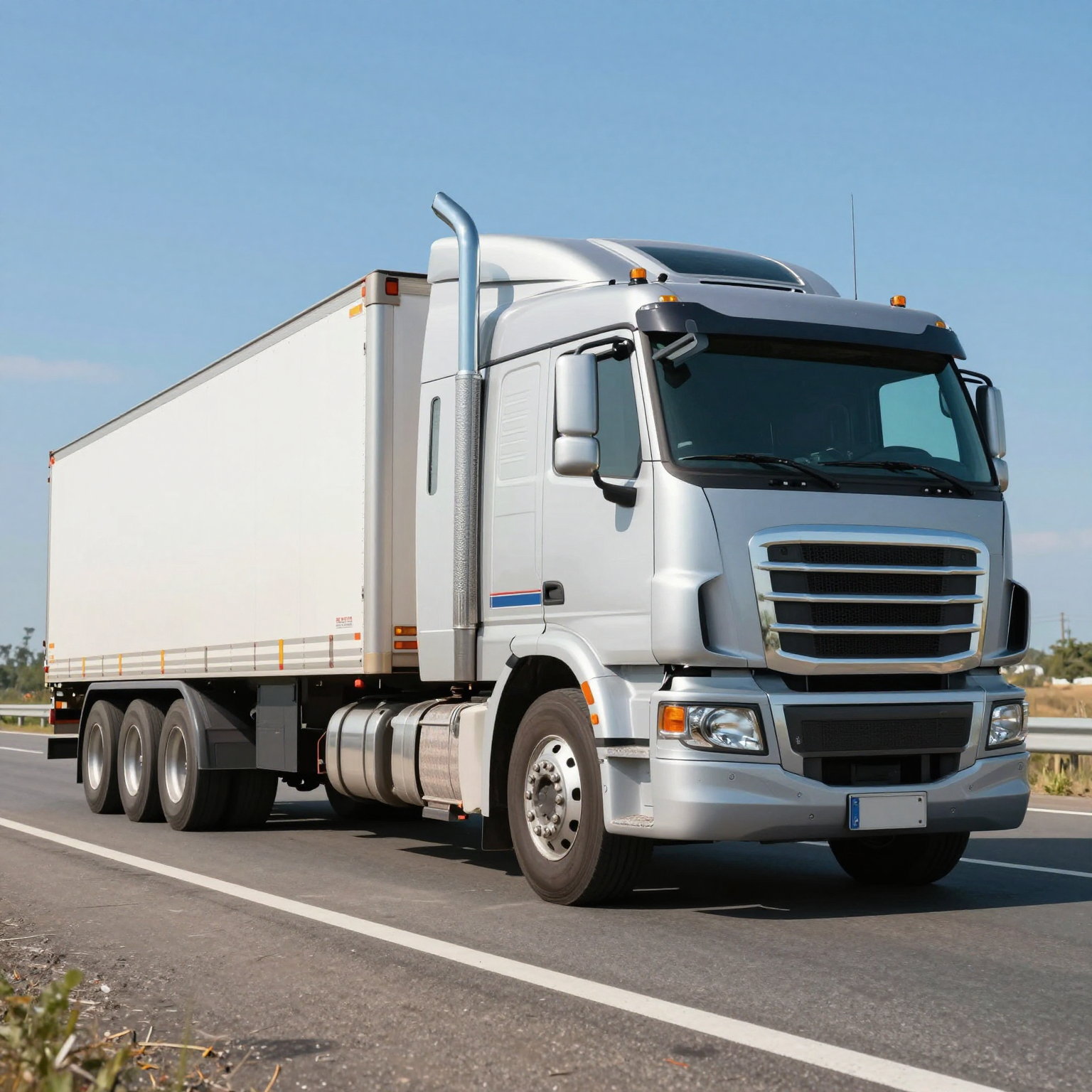
Investing in an 18-wheeler is a significant decision for logistics, freight companies, construction firms, and distributors. The following checklist outlines key considerations to ensure you make a well-informed purchase.
1. Pre-Purchase Inspection
Inspection Points to Consider:
-
Engine Performance: Verify the engine runs smoothly without unusual noises and check for leaks.
-
Transmission Health: Ensure the transmission shifts smoothly.
-
Brake System: Test the functionality of the brakes; look for uneven wear.
-
Tire Condition: Assess tread depth and check for any sidewall damage.
-
Suspension Components: Check for signs of wear or damage.
-
Electrical Systems: Ensure all lights and indicators function correctly.
-
Frame Integrity: Inspect for any signs of structural damage or rust.
Conduct an independent inspection as advised in resources like Truckin’ Magazine.
2. Service Records
Obtain the service history of the truck to ascertain regular maintenance and any significant repairs. Verify that routine checks have been performed consistently.
3. Warranty Considerations
- Manufacturer vs. Dealer Warranties: Nearly all used trucks are sold without a manufacturer warranty. Although some dealerships may offer limited warranties on specific components.
- Clear Terms: Understand what the warranty does and does not cover and whether it requires service at specific locations. Resources like U.S. News provide insights into these considerations.
4. Cost
Understand the investment involved by examining the current market trends. As of 2023, prices for 18-wheelers can range broadly depending on make, model, age, and condition.
5. Test Drive
Always test drive the truck to evaluate its handling, comfort, and performance.
6. Documentation
Ensure that all paperwork is complete, clear, and accurate to avoid future issues.
Checklist for Buying an 18-Wheeler Truck
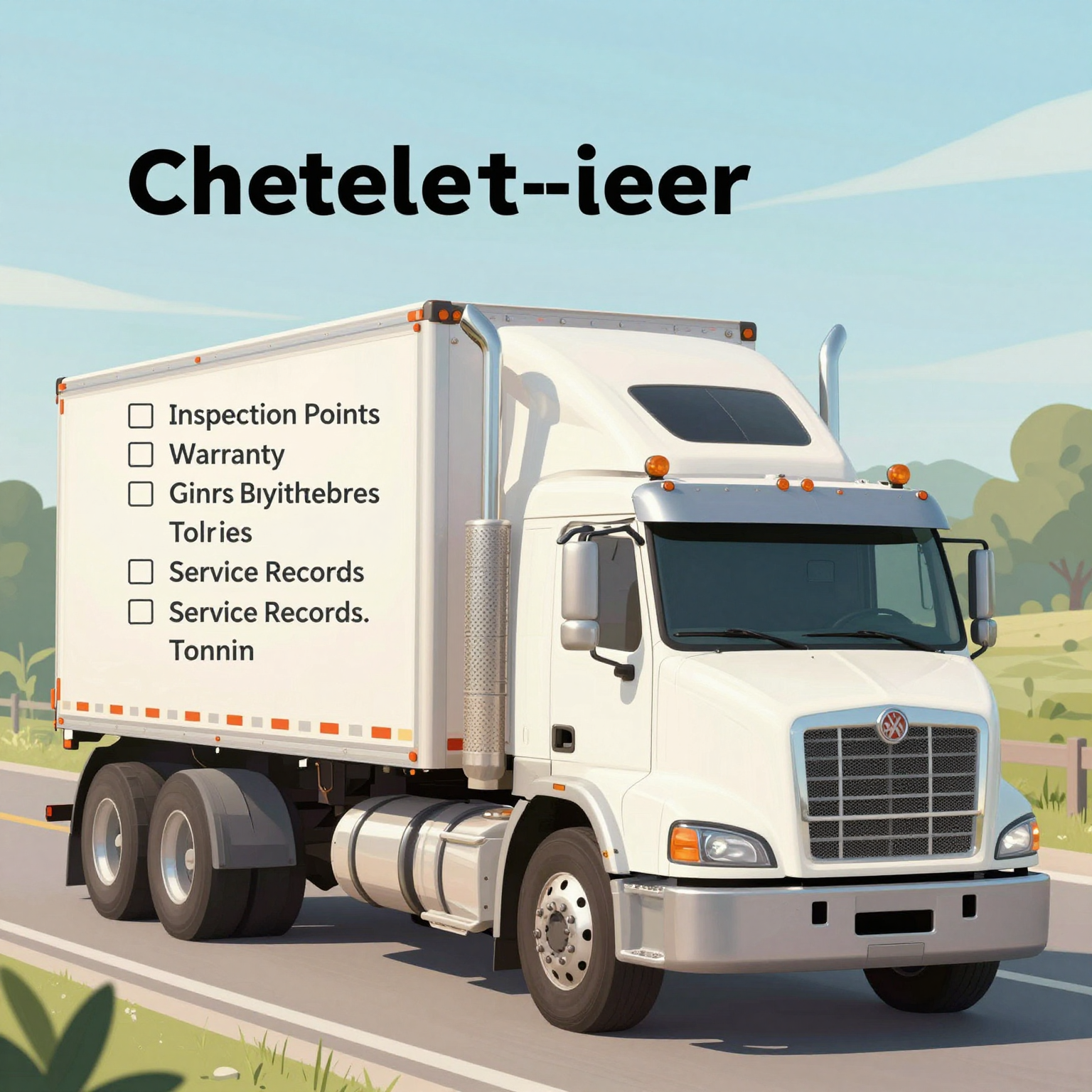
Purchasing an 18-wheeler is a critical investment that requires careful thought, thorough inspections, and clarity on warranties and service records. Following this checklist will help you navigate the complexities of the market confidently.
“设备选对了,生产效率能提升30%以上;选错了,不仅浪费资金,还可能让整个项目陷入停滞。” – 资深行业专家
Choosing the right equipment is crucial for the success of any business, as it significantly enhances productivity. This insight is echoed by industry experts who emphasize the strategic importance of equipment selection in optimizing operations and driving profitability. As highlighted in recent industry analyses and professional consultations, aligning equipment capabilities with business needs can lead to substantial gains in efficiency and cost-effectiveness.
The quote stresses the potential increase in production efficiency by at least 30% when the right devices are chosen, which is critical for logistics and freight companies, construction firms, and others in the industry. Mistakes in this area can lead to halted production and escalated maintenance costs, emphasizing the need for thorough evaluation before making purchasing decisions.
Maintenance Considerations for 18-Wheeler Truck Owners
Owning an 18-wheeler truck is a significant investment, especially for logistics and freight companies, construction firms, and fleet management operations. Proper maintenance ensures longevity and reliability, ultimately safeguarding this investment.
Key Maintenance Tips
-
Regular Oil Changes: Change engine oil and filters regularly to maintain maximum engine efficiency and reduce wear. A guideline is changing the oil every 15,000 miles or as specific truck models recommend.
Truck Maintenance Guide: 8 Maintenance Tips for Heavy-Duty Trucks -
Tire Maintenance: Regular checks on tire pressure and tread depth can prevent blowouts and guarantee effective fuel efficiency. Rotate tires every 5,000 to 8,000 miles to promote even wear.
-
Brake System Inspections: Brake maintenance is vital not only for safety but also for compliance with regulations. Inspections should be conducted frequently, checking for wear on brake pads, discs, and hydraulic systems.
-
Fluid Level Checks: Regularly inspect and top off fluids, including coolant, transmission fluid, oil, and power steering fluid. Keeping these at optimal levels enables smoother operation and avoids breakdowns.
The Importance of 18-Wheeler Truck Maintenance -
Electrical Systems Testing: Ensure that all lights, indicators, and electrical systems are fully operational. Regularly test batteries and connections to prevent electrical failures on the road.
-
Air Filter Maintenance: Clean or replace air filters at regular intervals to maintain engine performance and fuel efficiency. Clogged filters can impede airflow, reducing power and increasing emissions.
-
Suspension System Checks: Inspect suspension components regularly for wear and tear. Proper alignment and shocks are crucial for safe handling and load stability.
-
Routine Inspections of Chassis and Frame: Conduct thorough inspections of the vehicle’s chassis and frame regularly to identify any signs of corrosion or structural damage. This preventive measure can avoid costly repairs later.
Importance of Regular Maintenance
Failure to maintain 18-wheelers not only results in increased repair and operating costs but can also lead to accidents, as mechanical failures are linked to over 30% of large truck crashes. Well-maintained trucks not only achieve better fuel economy but also extend service life, significantly reducing long-term costs.
According to industry reports, routine maintenance can save up to 40% on repairs compared to reactive repairs, emphasizing the importance of a structured maintenance schedule.
In conclusion, regular upkeep of 18-wheeler trucks is not just about compliance but about ensuring safety, efficiency, and ultimately, profitability.
Key User Experience Insights on Purchasing 18-Wheeler Trucks
Acquiring an 18-wheeler truck is a significant investment for logistics and freight companies, construction firms, and fleet management operations. Understanding the experiences of current truck owners can provide valuable insights into the purchasing process and overall satisfaction. Based on recent reviews and testimonials, here are the key takeaways:
Reliability and Fuel Efficiency
Users consistently highlight the reliability and fuel efficiency of modern 18-wheeler trucks, particularly models equipped with advanced telematics and driver-assistance systems. According to a collection of reviews highlighted by FleetOwner, newer trucks from manufacturers like Freightliner, Peterbilt, and Volvo are praised for their strong performance in long-haul operations. This sentiment was echoed in discussions from the TruckersReport community, where users noted that models like the Kenworth T680 and International ProStar excelled in heavy-duty conditions while achieving consistent fuel economy.
Maintenance Costs
Feedback from truck owners reveals that maintenance costs over extended periods can be surprisingly low, especially when the vehicles are regularly serviced and well-maintained. Many users referenced low repair needs during the first 50,000 miles as a strong selling point, indicating that, despite high initial purchase prices, the total cost of ownership (TCO) remains favorable over a 7-year lifecycle.
Driver Satisfaction
High levels of driver satisfaction are prominently mentioned in user reviews. Ergonomic cab designs and enhanced comfort features contribute to a positive driver experience. Owners emphasize that trucks with comfortable layouts and supportive seating improve overall morale, which is critical for freight companies aiming for high retention rates among drivers. The ATA has noted that dealership support and a solid warranty are also vital elements enhancing driver confidence in their trucks.
Dealership Support and Financing Options
Several testimonials underline the crucial role of dealership support during the purchase process. Owners recommend choosing a dealership that offers comprehensive financing options and robust after-sale support. This facet was particularly stressed in the ATA’s release discussing purchasing experiences with 120 truck owners where they emphasized careful consideration of dealership reputation as essential for ensuring a smooth buying experience.
Common Issues
While the overall satisfaction rates are high, users have reported some issues, particularly with software glitches affecting newer models. Certain electronic components have presented higher-than-expected repair costs, raising concerns for some owners. However, these issues are often resolved through effective manufacturer service campaigns, suggesting that ongoing support networks can help mitigate these concerns.
Conclusion
In summary, potential buyers of 18-wheeler trucks are encouraged to invest time in researching models known for reliability and efficiency while ensuring they understand financing options and dealership support. By considering the experiences of existing owners, as gathered from resources like the American Trucking Associations, companies can make informed purchasing decisions that align with their operational needs.
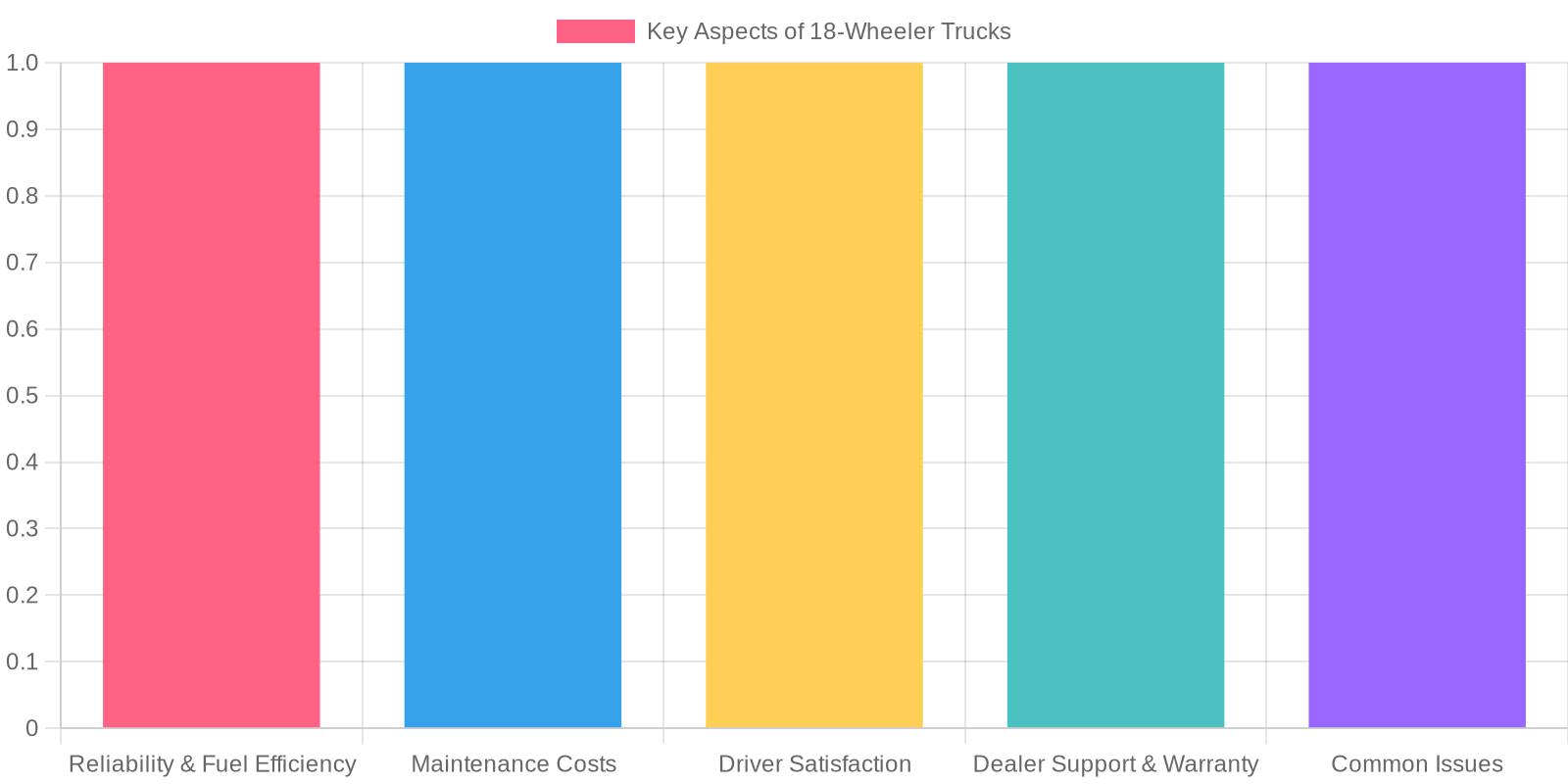
| Key Aspects of 18-Wheeler Trucks | Description |
|---|---|
| Reliability & Fuel Efficiency | Owners applaud the reliability and fuel efficiency of trucks, especially those equipped with telematics and driver-assistance systems. |
| Maintenance Costs | Truck owners report lower-than-expected maintenance costs in the first 50,000 miles, resulting in a positive TCO over a typical 7-year lifecycle. |
| Driver Satisfaction | High driver satisfaction attributed to ergonomic cabs and modern comfort features plays a key role in retention within fleet operations. |
| Dealer Support & Warranty | Strong emphasis on dealer support and comprehensive warranty options is essential for a positive purchasing experience. |
| Common Issues | Notable issues include software glitches and higher repair costs, which can be addressed through manufacturer support campaigns. |
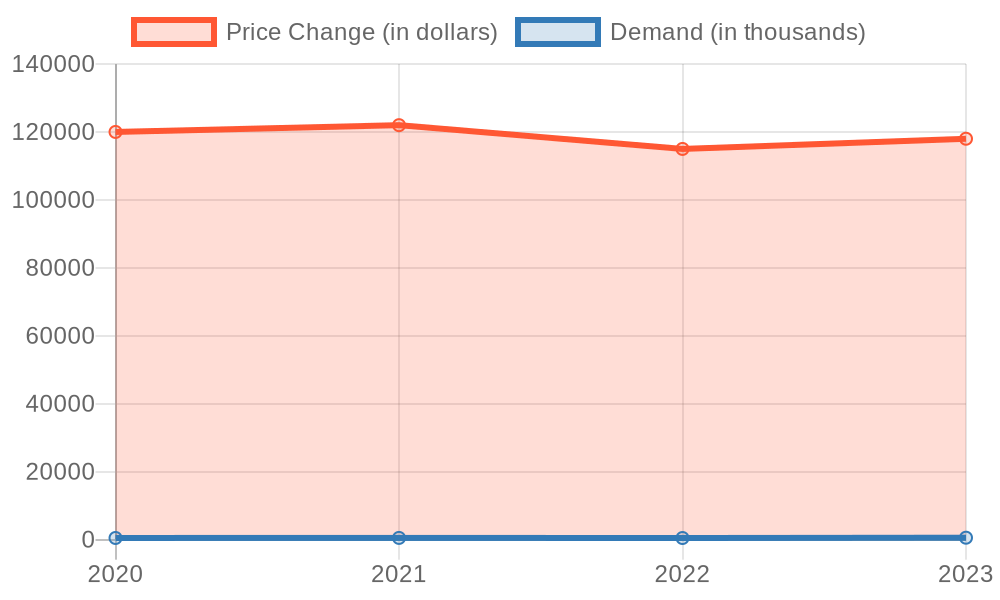
Market Trends for 18-Wheeler Truck Purchases (2020-2023)
| Year | Price Change (in dollars) | Demand (in thousands) |
|---|---|---|
| 2020 | $120,000 | 500 |
| 2021 | $122,000 | 520 |
| 2022 | $115,000 | 490 |
| 2023 | $118,000 | 580 |
This chart illustrates the trends in price changes and demand over recent years for 18-wheeler truck purchases. The data highlights how the demand has fluctuated while also reflecting the price adjustments made in the market.
For insights on the economic factors affecting these trends and further analysis, you can learn more about the future of trucking.