
The BBQ food truck business stands at the intersection of culinary delight and mobile commerce, presenting a lucrative opportunity for entrepreneurs and established companies alike. By navigating the intricate world of permits, securing essential equipment, crafting an appealing brand and menu, and implementing savvy marketing strategies, success in this sector is achievable. This comprehensive exploration is particularly relevant for logistics and freight companies, construction and engineering firms, fleet management companies, and food and beverage distributors, all of which can leverage their existing expertise to excel in the burgeoning food truck industry. Each chapter will dissect pivotal elements of starting a BBQ food truck business, laying the groundwork for a profitable venture that caters to diverse customer tastes and needs.
Smoke and Signatures: Navigating Permits and Licenses on the Path to a BBQ Food Truck
A BBQ food truck sits at the crossroads of appetite and regulation, a rolling kitchen that must honor both the fire of the grill and the rules that keep communities safe. The moment you decide to turn a concept into a business on wheels, permits and licenses stop being theoretical hoops and become the quiet gears that keep you moving. They structure how you cook, where you park, who handles the food, and even how you manage the mess afterward. In practice, the path to launch is a road map of compliance: a series of confirmations that your operation will be sanitary, lawful, and financially protected. While every city and county can shuffle the order and details, the essence remains the same. Secure the right paperwork first, then shape your kitchen, brand, and schedule around what that paperwork allows. If you treat permits as a starting point rather than a finishing line, you’ll uncover a smoother, faster ride from concept to crowded curb to loyal fans.
The most important truth to start with is that permits and licenses are not mere obstacles; they are commitments to public safety, fair competition, and responsible business practice. In the United States, the exact requirements vary from place to place, but a foundational set of documents and permissions appears in most jurisdictions. You will typically need a business license to operate at all, a health department permit to ensure your food is prepared and stored safely, and food handler’s permits for every team member who touches ingredients. A mobile food vendor permit then authorizes your vehicle to sell food from a street location, while a fire permit checks that your cooking equipment and ventilation meet fire safety codes. Depending on your city or county, you may also need a utilities permit if your setup relies on gas lines or electrical connections, and of course, commercial insurance to shield you from liability. Taken together, these pieces form a framework that makes your operation legitimate, predictable, and bankable, rather than a sporadic venture.
Those who neglect this framework soon learn the hard way that a great menu and smoky flavor can still fall flat when the legal base isn’t solid. The practical value of permits is not only compliance but consistency. Regulators want to see that your truck has a proper grease management plan, a reliable water supply and waste disposal system, and surfaces that can be cleaned quickly and thoroughly. They want to know you understand cross-contamination, cold-holding temperatures, handwashing, and sanitization protocols. They want to see that your staff is trained to handle food safely, even under the pressure of a lunch rush or a festival lineup. The result is not a bureaucratic bottleneck; it is a framework that helps you scale responsibly, move between events with fewer delays, and protect your customers and your team.
To begin, you’ll typically address the business license. This is the door through which every other permit passes. The process usually starts with a local business registry or city clerk. You will be asked to provide basic information about your company, a description of your operation, and sometimes projected hours and locations. The cost and renewal cadence vary, but the requirement is universal: you need to be registered as a legitimate business before you can sell food to the public. With that foundation in place, you pivot to the food safety framework. The health department permit follows, and it invites a more hands-on scrutiny of your food handling practices, your kitchen layout, and your sanitation schedule. Expect to submit a floor plan of the truck, illustrating where raw and ready-to-eat foods are stored, how hot and cold chains are maintained, and where handwashing stations live. A typical on-site or plan-review process accompanies this step, with a health inspector visiting your mobile unit to verify that your operations align with sanitation codes and local rules. It is a moment of calibration—an opportunity to highlight your SOPs, your cleaning protocols, and your commitment to consistent quality.
At the heart of every successful team is the people who deliver the product. The requirement for food handler’s permits captures that value in a different form. All staff who touch food usually must complete a basic training course in safe food handling. The permits themselves are not a luxury; they are a marker of your team’s readiness to prevent cross-contamination, manage hot and cold temperatures accurately, and practice proper personal hygiene. On a practical level, you’ll build a schedule that ensures every team member has the necessary training before you open. You’ll maintain records showing who is certified and when renewals are due. This isn’t just about compliance—it’s about building trust with customers who judge a BBQ experience not only by its taste but by the impression of a well-run, hygienic operation.
The mobile nature of a BBQ truck adds its own twists to the permit picture. A Mobile Food Vendor Permit is not simply a one-time stamp; it represents authorization to operate in specific zones, at particular times, and often within defined layouts. Zoning and location rules become part of your strategic planning. Some municipalities require a separate permit to operate in certain districts, at farmers markets, or in designated food truck zones. Others require you to demonstrate parking solutions or access to a commissary—essential spaces where meat can be prepared or equipment can be cleaned and stored. In many places, the permit also ties into the ability to park on public streets, lot ownership, or the right to venture into special events. The interplay among permits means you should consider your route and calendar early. If you want to be at a weekly market and at a weekend festival, you’ll need to map those calendars against the permissible locations and hours, then secure the appropriate approvals in advance.
Grease, flames, and ventilation demand their own oversight. A Fire Permit is the seal that your grill operation is within safe clearances, uses approved equipment, and has suppression systems that work when heat is high and service interruptions occur. Fire inspectors often look at the type of grill or smoker you’re using, how you store fuels, the placement of extinguishers, and the accessibility of emergency shutoffs. You’ll likely be required to install fire suppression equipment and conduct periodic inspections. If your equipment relies on gas or high-heat cooking, the permit process may also touch on ventilation effectiveness and backdraft prevention. A dedicated plan for waste oil, grease traps, and extinguisher maintenance will help you pass the review with confidence and avoid last-minute scrambles before a festival.
Utilities permits may come into play when your truck uses gas, a dedicated electrical supply, or water connections beyond what your vehicle’s own system can provide. The review here focuses on safety, compliance with energy codes, and proper venting for appliances. If you’re plugging into a shared power source at events or markets, you’ll need to show that your electrical setup is safe, protected from the elements, and does not pose a fire hazard. If your truck runs on propane or compressed gas, you’ll also be working with code-compliant storage and piping. These details can seem technical, but they are the backbone of reliable daily operations. They prevent service interruptions caused by electrical faults, gas leaks, or water supply issues, and they protect your staff from hazards that would disrupt service and threaten safety.
A recurring theme in this process is documentation. The more organized and complete your submission, the smoother the review will be. You’ll assemble a business plan that outlines your concept, your anticipated revenues, and compliance strategy. You’ll collect equipment specifications and cooking processes, including temperatures, cook times, cleaning schedules, and sanitation logs. You’ll prepare staff training materials and proof of certifications. And you’ll maintain a calendar of renewals, inspections, and permit expirations to prevent lapses that could ground your truck just as the season begins to heat up. In practice, this means building a simple internal system—perhaps a shared drive or a dedicated notebook—that tracks every permit, its status, its renewal date, and the contact person at the issuing agency. A well-kept file can be a strong selling point when you approach event organizers, investors, or lenders who want to see that you’ll stay in compliance as you scale.
Complying with permits and licenses also intersects with how you design and operate your truck. The kitchen layout must accommodate cleanability, airflow, and safe handling of raw meats, spices, and sauces. The equipment you choose—grills, smokers, refrigerators, and shelving—should align with the cleaning routines you’ll prove to inspectors. The more you can demonstrate that your layout supports easy cleaning, accurate temperature control, and clearly separated work zones, the better your chances of a smooth approval. In that sense, permits shape not just the paperwork, but the daily discipline of your operation. They channel your choices, from where you park to how you cycle inventory, to ensure you deliver a consistently high-quality, safe product to customers who expect nothing less than a well-run, delicious BBQ experience.
Beyond the mechanics, permits and licenses shape your brand’s storytelling. A well-managed compliance record tells customers that you take their safety seriously, which deepens trust and loyalty. It helps when you apply for festivals, sponsor hours, or partnerships with local venues, because organizers want assurances that every operator they host meets the same high standards. It’s also a reminder that the journey from a backyard idea to a curbside icon is not a leap of faith but a careful choreography of approvals, inspections, and ongoing vigilance. To sustain momentum, it helps to connect your operational readiness with your people—the team you hire and train will carry the compliance culture into every shift. If you’re building a culture that values safety, sanitation, and accountability, the permits you’ve earned will feel less like a hurdle and more like a framework for sustainable growth. For example, you may reflect on insights from industry partners who emphasize investing in people as a cornerstone of a resilient operation. As a nod to that perspective, consider this thought: https://titanbusinesstrucks.com/investing-in-people-key-to-truckings-success/. The connection may be indirect, but the principle is the same—the right people, trained to uphold standards, will keep your mobile kitchen running smoothly and your customers coming back for more smoke-kissed flavor.
With this groundwork in place, you’re ready to move from planning to practice. Begin by visiting your local health department and business licensing office to confirm the exact list of required documents. Ask about any shared requirements that may apply to mobile operations, such as fire safety, water and wastewater management, or noise restrictions. If possible, request a pre-application meeting to anticipate any red flags. Gather everything in a single packet within a clear, organized binder or digital file, and keep a duplicate copy on hand as you progress through the process. The mere act of assembling this information often clarifies your own operation—where your safest handling practices will live, how your crew will be trained, and how your truck’s design aligns with the expectations of inspectors and event organizers alike. In the end, the permit journey is not just a checklist; it’s a comprehensive preview of how you’ll manage risk, protect customers, and deliver consistently excellent BBQ wherever your truck happens to park that day.
As you move through this process, remember that the landscape isn’t static. Codes evolve, enforcement priorities shift with public health needs, and what works in one market might require adjustment in another. The wise path is to treat ongoing compliance as part of your business model rather than a one-time hurdle. Build relationships with the regulators who review your submissions, stay informed about changes in local ordinances, and perhaps invest in continuing education for your staff. The result is a mobile business that not only serves spectacular BBQ but does so with the poise of a well-governed operation—one you can scale across multiple locations, festivals, and markets without sacrificing quality, safety, or integrity. In this way, permits and licenses become not a barrier, but a lighthouse—guiding your growth, protecting your customers, and giving you a durable foundation on which to craft your brand’s story and your crew’s shared purpose.
External resource: for a practical, up-to-date guide tailored to your location, you can consult this external overview on starting a food truck business: https://www.wise.com/us/blog/starting-a-food-truck-business/
Fire on the Move: The Essential Equipment and Setup for a Successful BBQ Food Truck
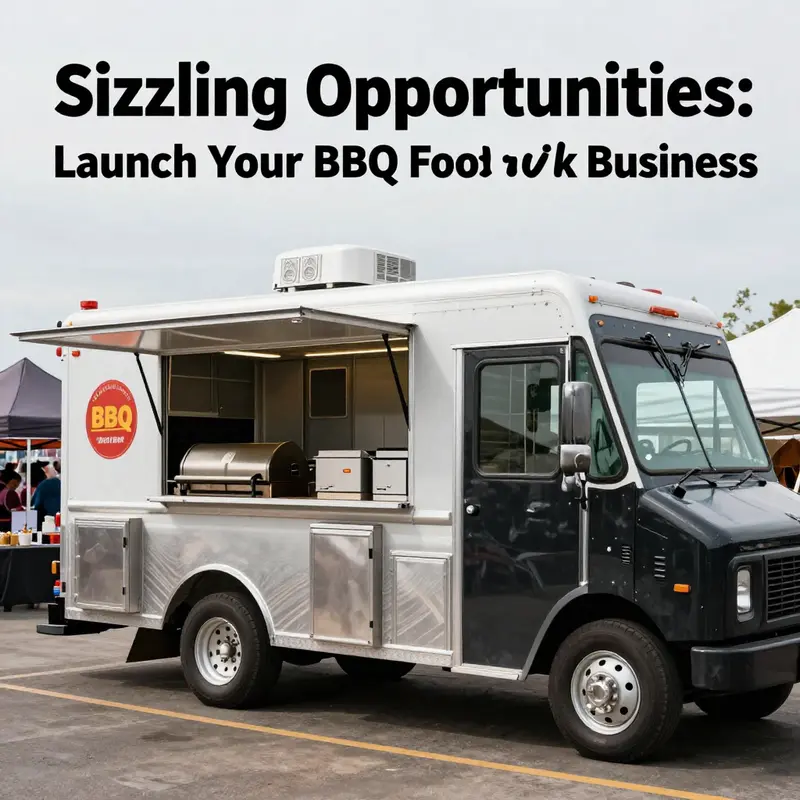
The allure of a BBQ food truck lies in flavor and in the choreography of a kitchen that travels. Success in the field depends on two linked realities: you must cook excellent meat and you must do it reliably in a compact, mobile space. That reliability starts with the cooking core and extends to every surface, system, and workflow you put into the vehicle.
Choosing a cooking system is not a single decision but a balancing act driven by menu, volume, and constraints of space and fuel. Many operators adopt a hybrid approach: a smoker for long, low-and-slow items and a high-output grill for quick-cook dishes. Smokers come in gas, charcoal, and pellet variants—each with trade-offs in startup time, temperature stability, flavor profile, and footprint. Gas smokers are predictable and fast to reach temperature; charcoal delivers a traditional, oft-preferred smoke character; pellet smokers offer automated temperature control that eases the burden during busy service. Complementing the smoker with a commercial grill (gas or electric) gives the flexibility to handle burgers, sandwiches, and other high-turn items with consistent sear and speed.
Supporting equipment keeps the kitchen legal, clean, and efficient. A properly sized commercial fryer expands menu options and should include sound grease management. A three-compartment sink or an approved handwash station, refrigerated storage sized to your daily throughput, and durable prep tables are non-negotiable for health-code compliance and sanitation. In mobile operations, these are not optional extras — they form the backbone of food safety and steady service. Place cold storage and prep areas to minimize cross-contamination and to reduce unnecessary movement during service.
Space optimization is the quiet discipline behind reliable service. Design an ergonomic workflow with modular, multi-use stations that can be reconfigured for different events. Stainless steel and aluminum surfaces resist corrosion, clean easily, and tolerate the heat and grease of outdoor service. Prioritize a compact profile and maneuverability in the vehicle layout so you can operate in tight urban settings and festival lots while still fitting standard commercial equipment.
Customer-facing design should reflect and reinforce the cooking strategy. A clear, visible menu, an efficient point-of-sale area, and an exterior aesthetic that communicates your BBQ identity help set expectations. At the same time, safety infrastructure—adequate ventilation, grease management, and certified fire suppression—must be integrated and verified. Electrical systems and power sources (generator or grid connection) need capacity headroom for refrigerators, fryers, and cooking appliances to avoid tripped circuits or overheating.
Operational consistency grows from equipment choices plus disciplined maintenance and staffing. Regular cleaning schedules, grill and smoker care, grease-trap routines, and ventilation checks reduce downtime and prolong equipment life. Train staff on equipment-specific techniques (smoker airflow and fuel management, grill sear timing, fryer oil care) alongside food-safety and order-assembly procedures. Cross-training and clear standard operating procedures make service faster and more resilient when demand spikes.
Procurement is pragmatic: match menu priorities and projected peak demand to an equipment list, then rationalize for space and serviceability. A baseline might include a versatile smoker, a high-capacity grill, a commercial fryer, refrigeration, and compliant sinks. Use under-counter refrigeration, corner-mounted prep zones, and compact handwashing stations to conserve footprint. Whether you build a custom truck or buy a turnkey trailer, verify ventilation, fire suppression, and compliance certification rather than assuming a finished shell is fully ready for service.
Many operators benefit from a modular, scalable approach: start with a compact, versatile station and expand as demand requires. Anticipate power and ventilation needs up front, plan for fresh and waste water management, and embed quick maintenance routines that can be completed between service waves. When equipment, process, and people align, the truck becomes more than a vehicle; it becomes a portable stage where BBQ craft travels reliably.
For examples of turnkey mobile trailer concepts and suppliers, you can review ready-made trailers and equipment packages to understand trade-offs between speed to market and customization needs: https://www.alibaba.com/product-detail/Wecare-Mini-Mobile-Coffee-Ice-Cream-Food-Trailer_1600789718577.html?spm=a2700.180172.0.0.3c3b5f7e3c3b5f7e. Always prioritize cleanliness, safety, efficient workflow, and a trained team when choosing a path to curbside service.
Brand and Menu Mastery: Building an Unforgettable Identity for Your BBQ Food Truck
Crafting a Brand and Menu That Draw Customers and Keep Them Coming Back
A great BBQ food truck succeeds when brand and menu work as one cohesive experience. Your brand grabs attention. Your menu delivers the promise. Together they create memories, referrals, and repeat business. Think of the brand as the story you tell, and the menu as the proof you offer. Both must be deliberate, consistent, and rooted in what makes your BBQ unique.
Begin with a clear sense of who you serve. Learn the neighborhood demographics. Note age ranges, dining habits, and peak times. Watch where potential customers already eat. Attend local events to observe tastes and price sensitivity. This research shapes everything that follows: the voice of your brand, the look of your truck, and the composition of your menu. When you speak the language of your audience, your brand feels familiar, not forced.
Choose a name that carries a mood and a hint of flavor. It should be easy to say, easy to remember, and meaningful. A strong name can hint at a cooking style, a region, or a signature ingredient. Avoid names that are overly clever if they confuse customers. Pair the name with a visual identity that matches the food. A rustic BBQ demands weathered wood textures, warm tones, and bold type. A modern, experimental BBQ benefits from minimal lines, strong contrasts, and unexpected color accents. Whatever you pick, make sure it looks as good on a small social media icon as it does across the truck’s side.
Design choices must be consistent across every touchpoint. Your truck wrap, menu boards, staff uniforms, packaging, and social posts should share a unified palette and tone. Consistency builds recognition. Customers should feel they arrived where they expected, even before they taste the food. Use the same logo proportions, color codes, and tone of voice on printed menus and Instagram captions. Even small details matter: the font on your flyer should echo the font on the awning.
Brand personality influences customer experience. Decide whether yours is friendly and homey, bold and unapologetic, or refined and craft-focused. Let that personality guide staff training. If you choose friendly and homey, teach servers to greet customers like neighbors. If you choose craft-focused, train staff to explain smoking techniques and ingredient sources. Every interaction reinforces brand expectations. When service, visuals, and food align, trust grows faster.
Your menu must reflect the brand and lead with quality. Start by defining a small number of core items that you will do exceptionally well. Slow-smoked brisket, tender pulled pork, or fall-off-the-bone ribs are classic anchors. Pair these anchors with a few standout sides and a unique sauce or rub. Signature items become your calling cards. They give customers a reason to travel to your truck and to recommend you.
Ingredient sourcing matters. Use fresh, high-quality proteins and produce. Local suppliers can provide fresher ingredients and a compelling story. Highlight those relationships on the menu and in social posts. When people know the pork came from a family farm down the road, they feel connected. Keep suppliers dependable. Fluctuations in protein availability can force menu changes and confuse customers.
Presentation influences perceived value. Think through plating, packaging, and portion sizes. Food on paper trays must still look composed. Sauces should be served in leak-proof containers. Use sturdy, branded packaging that keeps food hot and intact. Small touches, like a printed napkin with your logo or a well-designed sticker, extend the brand experience. Attractive presentation invites social shares, and social proof drives new customers.
Price your menu to reflect costs and perceived value. Calculate food costs carefully. Include labor, fuel, and packaging when building margins. Price to cover overhead while staying competitive locally. Consider a tiered approach: a value combo for quick lunches and premium plates for evenings or events. Bundles can raise average ticket size. Test prices and adjust based on sales patterns.
Test recipes before launch and keep refining them. Run pop-ups, tastings, or family-and-friends events to gather honest reactions. Use structured feedback forms and direct conversations. Track which items sell first and which linger. Pay attention to temperature, texture, and timing. Smoking BBQ is a timing discipline. Small shifts in smoke time or rub application can change flavor profiles dramatically. Document each batch so you can replicate success and diagnose failures.
Balance the menu for speed and complexity. Food trucks must deliver quality quickly. Offer items that can be prepared in batches and finished to order. Keep time-consuming options to a manageable few, reserved for special events. Streamline assembly with clear prep stations and standardized recipes. Training staff to follow exact steps ensures consistency across shifts.
Develop one or two signature sauces or rubs. These condiments can define your flavor identity and be a revenue stream. Offer them in small retail bottles when customers ask. Make the sauces consistent and taste-tested. A signature sauce becomes memorable and repeatable, and it creates a point of pride your team can talk about.
Use menu design to guide choices. Limit the number of items to reduce decision fatigue. Arrange items to highlight profit-margin winners or signature plates. Use close-up photography sparingly, relying instead on strong type and clean layout. Include short descriptions that emphasize craft and origin without overwhelming customers. A good description tells the story in a sentence or two: who made it, how, and why it stands out.
Solicit feedback continuously and respond visibly. Encourage reviews and comments on social media and at the truck. When customers suggest a tweak, test it. If a change improves sales, keep it. If not, explain why and show appreciation for the input. Publicly responding to feedback shows you listen and care.
Keep a rotating offering to create urgency. Limited-time specials and seasonal items encourage repeat visits. Rotate sides, sauces, or a unique sandwich each month. A rotating item gives regulars something to look forward to. Keep the rotation manageable so you don’t disrupt core operations.
Think beyond food quality to partnerships and community engagement. Partner with local breweries, markets, and events that align with your brand. These partnerships boost visibility and create cross-promotion. Use collaborations to test new items in front of larger crowds. Community involvement also builds goodwill. Consider participating in local causes or pop-ups that matter to your audience. For example, partnering with community support programs can position your truck as a committed local business and attract supportive customers. Learn more about this kind of community engagement here: trucks for change: supporting vulnerable communities.
Market your brand with consistent visual content. Share behind-the-scenes photos of smoking racks and late-night prep. Tell short stories about suppliers and recipes. Use video clips to show the smoke ring and the slicing process. These glimpses build trust in your craft. Encourage user-generated content by creating a hashtag and sharing the best posts.
Train staff to be brand ambassadors. Teach them the menu story, the origin of signature items, and the language you use in descriptions. Roleplay common customer questions. When staff can explain why a dish is special, sales of those items rise. Empower staff to make small goodwill gestures when service lapses. A free extra side or a discount can turn a dissatisfied customer into a loyal fan.
Monitor metrics that matter. Track top-selling items, busiest service times, average ticket size, and repeat customer frequency. Use sales data to make menu adjustments and staffing decisions. Keep an eye on food cost percentages and waste. Reduce waste by forecasting demand and adapting batch sizes accordingly.
Plan packaging and branding for off-premise dining. Many customers will eat in their cars or at nearby benches. Ensure packaging retains heat and separates wet and dry elements. Print the menu or a QR code on packaging for easy reorders. Offer reheating instructions for leftovers. Good packaging prolongs the meal experience and carries your brand into the neighborhood.
Finally, treat brand building as a long game. Consistency over months and years wins customer loyalty. Keep refining recipes, refresh visuals when needed, and maintain the service standard that matches your brand. Celebrate milestones publicly. Share big wins, but also share lessons learned. A transparent and evolving brand feels authentic.
Combining a focused brand identity with a tightly curated menu is the foundation of a memorable BBQ food truck. Each choice, from name and color palette to rub and serving size, sends a signal. When those signals agree, customers know what to expect. They order with confidence and return with friends. This alignment turns curious first-timers into regulars and makes your truck a reliable part of the local food landscape. For a concise guide on building your food truck plan, consult this helpful resource: https://www.strikingly.com/blog/food-truck-business-plan
From Sizzle to Streets: Practical Marketing Tactics to Launch Your BBQ Food Truck
From Sizzle to Streets: Practical Marketing Tactics to Launch Your BBQ Food Truck
Launching a BBQ food truck depends as much on smart marketing as on great barbecue. You can craft the juiciest brisket, but without a plan to reach customers, the grill will sit cold. Marketing a mobile food operation means thinking like a storyteller, a community builder, and a nimble operator. This chapter walks through the tactical playbook you need to turn smoke and flavor into repeat business and steady foot traffic.
Start with the story you will tell every time someone passes your truck or scrolls past your post. The story should explain who you are, what your barbecue style means, and why customers should choose you over other options. Keep it simple. Highlight the process behind your signature items. Share the reason you use a particular wood, the hours behind your slow-smoked ribs, or the local farms you partner with. These concrete details create trust and make your food feel intentional rather than anonymous. Use the story in three places consistently: on your truck exterior and signage, in your social media captions, and in the short pitch your staff uses at events.
Visuals make the story tangible. High-quality images and short videos do far more than words. Capture the smoke line, the bark on a brisket, and the plated meal that customers walk away with. Short-form videos, such as a minute-long clip showing a full cook cycle, or 20-second reels of meat being pulled, create appetite and anticipation. When shooting, prioritize natural light, close-ups, and action shots of the grill and servers interacting with guests. Maintain a consistent visual palette: warm tones, rustic textures, and candid smiles. Consistency makes your posts recognizable, and recognition builds familiarity.
Social media is the highway to your customers, but it works best when used strategically. Schedule posts rather than improvising. Combine three content types each week: behind-the-scenes process, finished-plate photography, and customer stories. Use location tags to attract passersby and local hashtags to reach nearby communities. Short captions that invite action perform well: announce where you’ll be parked today, share a limited-time special, or ask customers to tag friends. Engage promptly when people comment or message. Quick replies turn casual interest into sales when you’re parked blocks away. For deeper guidance on visual content strategies for mobile food businesses, refer to the social platform business resource linked below.
Beyond everyday posts, build momentum with events and partnerships. Weekend markets, local festivals, and pop-up collaborations expose you to concentrated foot traffic. Seek out breweries, night markets, or retail stores that welcome food trucks. Offer collaborative menu items or co-branded specials that drive cross-traffic. At events, have printed cards with QR codes for your menu, loyalty sign-up, and next appearance. Exclusive event-only items create urgency and talk value. Keep setups simple so that service flows quickly, and guests leave with a positive impression.
Loyalty programs are a force multiplier. A simple digital stamp system, where a QR code links customers to a points platform, encourages repeat ordering without paper cards. Reward frequency with tangible benefits: a free side after five purchases, or a discounted entrée on the customer’s birthday. Promote the program on your truck and social profiles. Encourage sign-ups by offering a small immediate incentive, like a free condiment or a discount on the first order. Referral incentives work well too: reward both the referrer and the new customer. These programs cost little to run but create predictable customer return patterns.
Influencer and micro-influencer collaborations extend reach quickly and authentically. Partner with local food creators who have engaged followings. A well-timed visit, honest review, or live stream from your truck can lead to a surge of new customers. Offer a free tasting flight or an exclusive sample menu in exchange for coverage. Choose influencers whose audience aligns with your target demographic, and avoid rigid scripts. Authentic impressions resonate more than polished ads. Track the impact by providing a unique promo code or a QR check-in so you can measure conversions.
Delivery and pickup services expand your sales footprint beyond street sales. Integrate with popular local delivery platforms to capture lunch orders from nearby offices and late-night crowds. Optimize your menu for delivery by selecting items that travel well and packaging to preserve texture. Display grocery-grade packaging for sides and sauces that keeps steam away from crispy items. Promote delivery availability on your social channels and list times for pickup to avoid confusion. If home delivery is not possible every day, consider scheduled delivery windows for peak hours.
Community engagement builds long-term brand equity. Support neighborhood events, charity drives, or school fundraisers. Participate in local initiatives that align with your values, and let the community know you do. Community work creates goodwill and strengthens word-of-mouth. It also gives you content for social channels that highlights impact. When appropriate, share your involvement and invite customers to join. If your truck participates in a neighborhood outreach or charity, document it visually and explain why it mattered.
Sustainability and transparency matter to many diners. Showcase your use of recyclable packaging, composting practices, or partnerships with local farms. Visual content that shows a local supplier or a compost station behind the truck enhances credibility. Clear messaging—such as explaining why a local cut is used or how you reduce waste—turns conscientious shoppers into regulars. Sustainability choices often reduce costs too, when you build long-term relationships with local purveyors and streamline packaging.
The physical presence of your truck is marketing in motion. Design the exterior with readable fonts, clear menu panels, and a photo or two that represents your signature dish. Keep signage simple and legible from a distance. A well-placed menu board, with a highlighted daily special, drives impulse purchases. Use portable chalkboards or digital displays to change offers quickly. Keep the service window area tidy and welcoming. The sensory cues—aroma, sound of the grill, and visible care in plating—are marketing assets that convert curiosity into purchase.
Promotions should balance urgency and value. Flash specials, meal combos, and time-limited offerings attract hungry customers. But avoid discounting your core product too often. Instead, offer add-ons or premium limited-time items to preserve perceived value. Use promotions to introduce new items and collect customer feedback. Collect contact info with consent during promotions so you can alert followers to future events. A short monthly newsletter or SMS update works well for high-engagement customers and gives you a channel less dependent on algorithmic shifts.
Measurement is essential. Track sales by location, time of day, and menu item. Use simple spreadsheets or point-of-sale reports to see what sells best and where. Analyze the results of social posts and promotions to understand what generates foot traffic. Small experiments produce big insights: try a new sandwich for a weekend, test a different post time, or run a small paid social campaign to promote a festival appearance. Compare the changes to baseline sales to determine effectiveness. Consistent measurement helps you scale what works and stop what doesn’t.
Train your team to be brand ambassadors. Staff friendliness, speed, and knowledge about ingredients and cooking processes influence repeat visits. Create a short script for common interactions so messaging remains consistent. Encourage staff to invite customers to follow your social pages and mention loyalty perks. Empower team members to suggest pairings and upsells; a well-timed recommendation increases average ticket size without feeling pushy.
Finally, treat marketing as iterative and cumulative. Build a predictable rhythm of posts, events, partnerships, and promotions. Use feedback from customers as a guide to pivot menu items and messaging. When you blend clear storytelling, dependable visual content, community engagement, and consistent measurement, your truck stops becoming a one-off curiosity. It becomes an expected fixture customers seek out on purpose.
For a focused guide on crafting visual content and building brand loyalty for mobile food operations, consult the social platform business resource linked here: https://www.instagram.com/business/insights/food-truck-marketing/.
Leverage local industry initiatives and community truck networks to deepen your reach. For example, read more about a truck-based community support program to see how mobile food operations can build neighborhood ties: trucks-for-change-community-support.
Apply these tactics incrementally. Start with a clear story and consistent visuals, then layer in events, loyalty, and measurement. Over time, your truck will move from being a dinner option to being a local staple customers seek out and recommend.
Final thoughts
Starting a BBQ food truck business is an exciting venture ripe with potential. By thoroughly navigating the complex landscape of permits and licenses, investing wisely in essential equipment, carefully crafting a compelling brand and menu, and employing effective marketing strategies, entrepreneurs—especially those from logistics and fleet management sectors—can capitalize on new revenue streams and reach broader markets. The journey may pose challenges, but the rewards of serving delicious BBQ and creating memorable experiences for customers are well worth the effort. Each aspect discussed in this article seamlessly comes together to equip aspiring BBQ food truck operators with the knowledge and resources needed for success.