
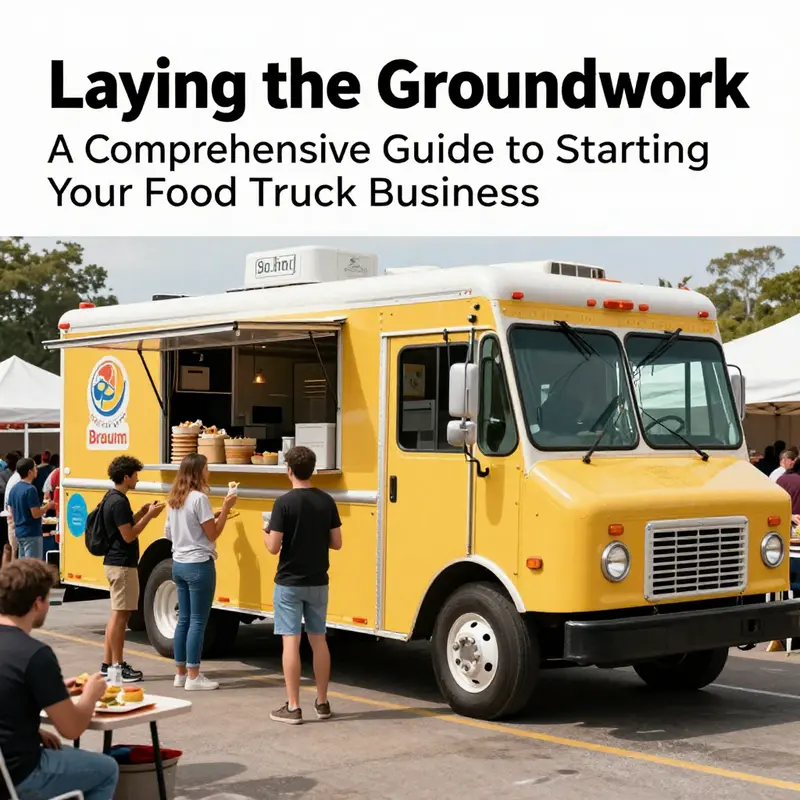
Starting a small food truck business offers immense potential for profitability, especially for organizations in logistics, construction, and fleet management. With the growing demand for diverse food options and the convenience of mobile dining, establishing a food truck can not only diversify your portfolio but also tap into new revenue streams. To navigate the intricacies of this venture, firms must focus on critical areas such as business planning, licensing, vehicle compliance, supply sourcing, and strategic locations. This guide encompasses these essential steps, providing a structured approach to launching and sustaining a thriving food truck enterprise.
Blueprint for a Profitable Food Truck: Building a Solid Business Plan
Blueprint for a Profitable Food Truck: Building a Solid Business Plan
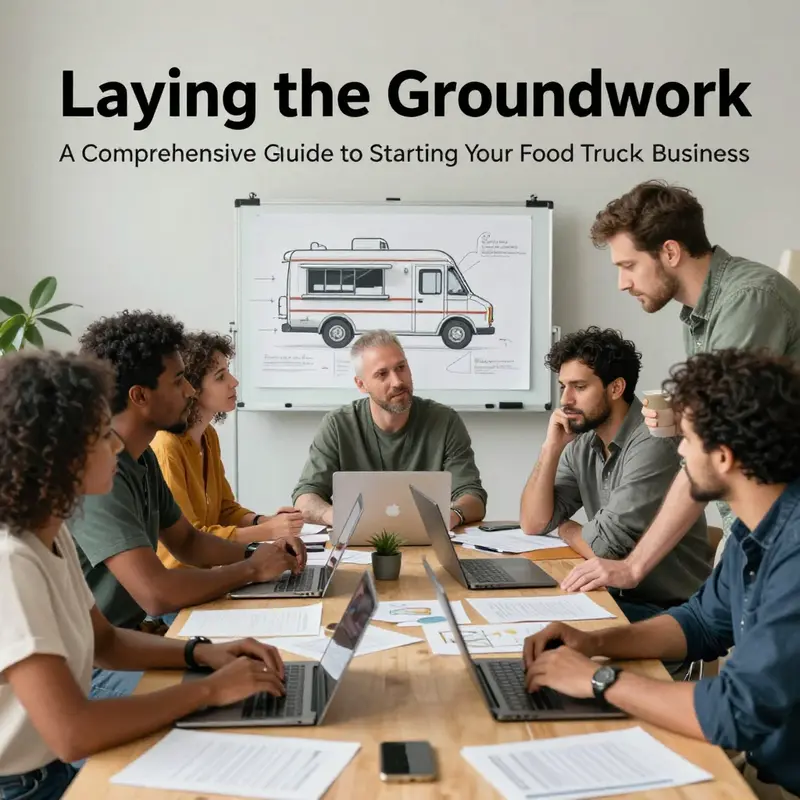
Starting a food truck begins on paper. A strong business plan turns an idea into a repeatable operation. It forces clarity about customers, menu, location, and money. It also makes funding and permits easier to secure. This chapter walks through the essential parts of a plan and shows how each piece fits into a small, flexible food truck business.
Begin with a one-page roadmap that captures the essence of your concept. This short document is a diagnostic tool. It forces you to state who you serve, the unique value you offer, and how you will make money. Keep it tight: one sentence about the concept, one about the target customer, one about the menu, and one about key financials. The one-page plan is not the final plan. It is a mental filter. If an idea does not survive this compression, refine it before expanding.
Expand the one-page into a full plan with clear sections. Define your target market precisely. Describe demographics and daily routines. Are you serving office workers, students, event attendees, or late-night crowds? Pin down times and locations where those customers congregate. Use local data where possible. A targeted approach reduces guesswork when choosing routes and hours. It also informs menu choices and pricing.
Design the menu to match the target market. A food truck works best with focused offerings. Pick a small number of high-margin items you can execute consistently. Handmade snacks, a signature sandwich, and a premium drink can be enough. Each menu item should have a costed recipe. Track ingredient costs, portion sizes, and labor required to produce each order. Margin analysis reveals which items sustain the business and which should be limited or dropped.
Financial projections turn concepts into concrete expectations. Start with a realistic estimate of startup costs and an operating budget. Include vehicle acquisition, kitchen modifications, permits, insurance, initial inventory, point-of-sale hardware, and basic marketing. Factor in equipment replacement and maintenance. For some markets, small operations report startup ranges that feel low; still, build a cushion for unexpected repairs and slower opening months. Project monthly sales by time block and location. Estimate average ticket size and the number of transactions required to reach break-even. Run best-, expected-, and worst-case scenarios. This exercise will tell you how many days you must operate at certain volumes to hit your targets.
A practical section in your plan addresses operational flow. Identify peak service windows and plan staffing accordingly. Map a typical service cycle: prep, service peak, restock, cleaning, and off-hours maintenance. Standardize recipes and service steps to keep consistency across busy shifts. Determine inventory turnover rates and reorder thresholds. A simple inventory tracking system reduces waste and avoids last-minute shortages. If you plan to scale or add routes, document how processes will be replicated.
Location strategy deserves careful study in the plan. Food trucks are mobile, but location choice still determines daily results. Use observational research and data tools such as heatmaps to identify high-footfall areas. Consider office districts for lunch, entertainment districts for evening sales, and event calendars for weekend spikes. Balance frequency and exclusivity. Some profitable strategies favor returning to the same spot multiple days a week to build regulars. Other strategies chase events and festivals. Your plan should state which mix you will pursue and why.
Marketing and customer acquisition are part of the revenue engine. Define a simple marketing plan with measurable goals. Use social platforms to announce daily locations and specials. Consider a loyalty mechanism that rewards repeat customers. Word-of-mouth is powerful; a consistent location schedule, quick service, and memorable packaging encourage repeat visits. Partnering with local businesses or event promoters can create reliable revenue streams. In the business plan, estimate the cost of initial promotions and one year of basic marketing spend.
Risk management must appear in the plan. List regulatory and operational risks and how you will address them. Permitting requirements, health inspections, parking rules, and local zoning vary. Even if you will manage permitting in a separate step, include regulatory costs and timelines in the financial schedule. Account for seasonal demand shifts, equipment failures, and supplier disruptions. A basic contingency fund and an emergency supplier list are simple, practical mitigations.
Supply chain and sourcing decisions affect cost and quality. Identify primary suppliers for fresh ingredients and backup sources. Local produce vendors can supply seasonal items and align with customers who value local sourcing. Wholesale distributors handle shelf-stable goods and packaging. Record delivery schedules and minimum order sizes; these details matter for cash flow and refrigeration planning. In the plan, include projected weekly inventory costs and storage requirements.
Operational advantages of a food truck are worth articulating in the plan. Mobility reduces the need for expensive real estate. Menu changes are quick to test. Startup costs can be lower than a brick-and-mortar restaurant. Use these advantages strategically: iterate the menu based on sales data and customer feedback, and optimize hours and routes to maximize revenue per hour.
Include a staffing plan. Detail roles and responsibilities during service and off-hours. Cross-train team members so one or two people can run a shift efficiently. Calculate labor costs as a percentage of projected sales and track how staffing scales with volume. Describe training standards and quality checks to keep service fast and consistent.
Sales channels are part of the revenue model. Decide whether to offer delivery through third-party apps, a direct pickup system, or both. Delivery expands reach but reduces margin. If using third-party platforms, build their fees into projections. If offering direct pickup and preorders, design a simple ordering flow and point-of-sale system to minimize friction.
Finally, set measurable milestones in the plan. Short-term milestones might include completing vehicle fit-out, securing permits, and a soft launch. Early sales targets such as weekly revenue and customer counts keep you accountable. Long-term milestones can include reaching profitability, expanding to a second truck, or securing regular contracts with local businesses. Each milestone should have a timeline and the resources required to achieve it.
A business plan is a living document. Revisit it frequently and update projections with real sales data. Use a structured process to test assumptions and pivot when necessary. That disciplined approach helps refine location choices, menu items, and pricing. It also makes funding conversations more credible because lenders and investors see data-backed decisions.
For community-minded operators, consider how the truck will integrate with neighborhoods. Consistent presence and clear communication help build trust with local authorities and residents. Highlighting community engagement in the plan can ease negotiations for regular parking spots and event collaborations. You can learn more about community-focused approaches by reviewing resources on trucks-for-change-supporting-vulnerable-communities.
If you want a practical template to translate these ideas into a formal plan, use a trusted guide with examples and templates. The Shopify food truck business plan template offers step-by-step instructions and useful examples to help structure your plan and financials: https://www.shopify.com.cn/blog/food-truck-business-plan-template
From Paperwork to Plates: A Thorough Guide to Registering and Licensing Your Small Food Truck Venture
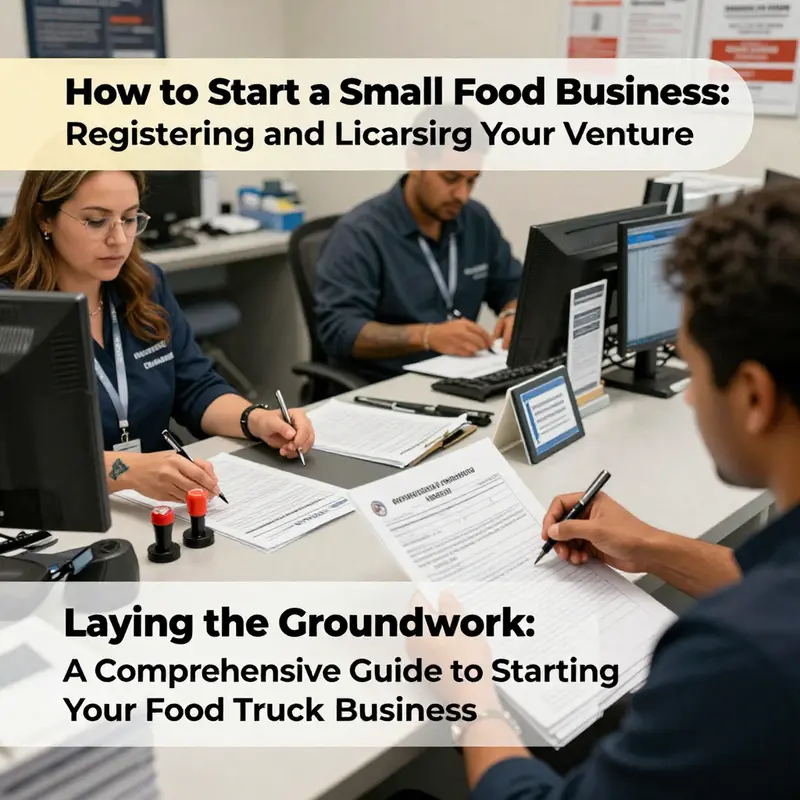
Turning a culinary dream into a rolling business starts long before the first sizzle of the grill. It begins with the quiet, steady work of meeting rules that exist to protect customers, workers, and the community, even as they shape when, where, and how you serve your food. In the timeline of launching a small food truck, registering your business and securing the right licenses form the backbone. Without this foundation, even the best concept can stall at the curb. Yet the process is not a maze of red tape designed to slow you down. When approached with clarity and method, it becomes a series of practical steps that align your dream with the everyday realities of operating in a city, county, and state. What follows is a cohesive path that keeps the long view in sight while addressing the immediate needs of a mobile kitchen on wheels.
First comes the decision about your business structure. Most operators begin as sole proprietors or form a limited liability company, an LLC. The choice matters for liability, taxes, and personal protection, and it shapes what paperwork you file with the state and your local authorities. In practical terms, your filing with the state’s corporate or Secretary of State office establishes your legal identity. You’ll provide your business name, your intended address, and a brief description of your purpose. The exact forms and fees are determined by location, but you can expect a range that typically sits somewhere between a modest handful of dollars and a few hundred. After you’re registered, you’ll receive a business license or certificate of formation. This document serves as a tangible, official acknowledgment that your venture exists as a legal entity, separate from your personal affairs. It’s the cornerstone that allows you to open a business bank account, apply for financing, and interact with suppliers in a professional capacity.
With your entity in place, the next essential step is securing a Food Service License, sometimes called a Food Establishment Permit. This is the gatekeeper for public health and safety. It requires you to demonstrate that your kitchen on wheels meets sanitation standards and that your team understands food handling, storage, and preparation practices in a way that protects customers. Most jurisdictions ask for a detailed floor plan of your truck, showing the layout of equipment, refrigeration, workspaces, and waste disposal. They may also request documentation of employee health requirements, such as health certificates, and information about your sourcing and storage protocols. You should anticipate a processing window that can stretch from two to six weeks, though some areas offer online submissions and quicker turnarounds. Renewal is routine, often annually, and it’s not unusual to undergo periodic inspections to verify ongoing compliance. The license is not merely a stamp of approval; it’s a living, enforceable standard that guides daily operations and helps you manage risk.
Because your operation is mobile, you will almost certainly need a Mobile Vendor Permit, a Temporary Use Permit, or a Street Vendor Permit. The exact label varies by city or county, but the core concept remains consistent: it authorizes you to park, serve, and move within defined spaces. Rules here differ widely. Some municipalities restrict proximity to schools, neighborhoods, or certain hours; others require you to pay for a designated permit zone. Signage, vehicle placement, and proximity to fixed food establishments are common variables. The process often includes an application, a location plan, and a fee, and like the health license, it hinges on local zoning rules. Approaching this with curiosity and respect for local parameters will pay dividends later, especially when you’re scouting daily routes and pop-up opportunities. The permit functions less as a barrier and more as a map, telling you where you can legally operate and when you must move on.
Insurance sits alongside permits as a non-negotiable protection, not a discretionary add-on. The right coverage acknowledges the everyday risks that mobile food service entails—from slips and burns to accidental contamination and property damage. A standard package typically includes general liability insurance, which covers injuries and property damage to third parties; property insurance to protect your truck and equipment; and, if you have employees, workers’ compensation. Because the vehicle itself is an asset and a potential liability, commercial auto insurance is also a prudent inclusion. Premiums vary widely depending on the size of your operation, the markets you serve, and your risk profile, but you can reasonably expect a broad range that reflects the realities of a mobile kitchen on the road. Having robust insurance not only mitigates risk but also strengthens your lending and banking position when you seek capital for startup costs or expansion.
A crucial piece of regulatory navigation is registering for taxes and obtaining an employer identification number, or EIN. Even if you choose to operate as a sole proprietor, an EIN helps separate personal and business finances, which simplifies bookkeeping, payroll (if you hire), and filing. You’ll apply for the EIN through the IRS, typically online and at no cost. Once in hand, you can open a business bank account, streamline tax reporting, and present a more credible profile to suppliers and lenders. The EIN is a quiet but powerful signal that you are building a legitimate, scalable operation rather than a personal venture that happens to roll through neighborhoods on weekends.
Beyond these core registrations, ongoing compliance turns into a daily discipline. Health and safety regulations demand clean facilities, proper food handling, and regular cleaning schedules. Temperature logs, pest control routines, and routine equipment maintenance become visible markers of professionalism during inspections. Tracking and retaining records of daily operations is not a mere bureaucratic task; it’s a practical framework that helps you audit your inventory, monitor waste, and optimize turnover during busy shifts. The same mindset applies to housekeeping practices around waste disposal, water usage, and environmental considerations. Although the core idea is simple—keep things clean, safe, and well-documented—the impact of this discipline is cumulative: fewer fines, smoother inspections, and steadier growth.
It’s also wise to consider optional but highly recommended permits that can expand your opportunities and reduce friction later. Depending on your menu and location, you might explore alcohol licensing if you plan to offer beer or wine, or acquire special event permits for markets, festivals, or pop-up collaborations. Environmental permits related to waste handling or water usage can come into play for certain venues or environmental standards. The key is to anticipate these needs early, not as last-minute add-ons. Planning around events and partnerships often leads to more stable revenue and greater brand exposure, so it pays to map these possibilities in advance while you chart the regulatory terrain.
As you assemble this foundation, remember that regulations are not static; they evolve with public health priorities, neighborhood sentiments, and city planning. The cadence of permits, renewals, and inspections will shape your schedule and cash flow, especially in the first year. The best approach is proactive rather than reactive: build a calendar of renewal dates, inspection deadlines, and document retention policies. Maintain clean records of temperatures, invoices, health certificates, and insurance policies in a single, accessible place. This not only makes audits smoother but also communicates reliability to lenders and partners who see your operation as a serious enterprise rather than a temporary venture.
The practical timelines can vary significantly from place to place. Some jurisdictions require online applications with rapid acknowledgment, while others favor in-person visits and longer processing times. Costs follow a broad spectrum as well, with basic business registrations and licenses typically consuming a modest portion of your startup budget, and the insured protection adding ongoing monthly or annual expense. These figures are part of the financial picture you include in your business plan from the outset. They feed into project-wide calculations: startup costs, expected revenue, and the critical break-even analysis that tells you when your truck begins to contribute to profits rather than merely covering expenses.
A final guiding principle is to verify local regulations directly with the relevant authorities and to lean on trusted small-business resources. This isn’t a bureaucratic obstacle course; it’s a course correction mechanism that keeps you aligned with your community’s rules and expectations. Seek out your city or county government website for permits and licensing guidance, and don’t hesitate to contact a local small business development center for personalized advice. If you’re starting in a setting where licenses are issued with substantial lead times, map out a phased timeline that accommodates approvals, inspections, and staff readiness before your first service. When you treat registration and licensing as part of your product planning, you’re laying a groundwork that supports consistent operations, trusted community relations, and sustainable growth.
In this light, the journey from idea to the first curbside service becomes more predictable and less daunting. You’re not simply purchasing a food truck; you’re buying a legally compliant, financially sound framework that makes your day-to-day decisions more confident and transparent. The people you will hire, the food you craft, and the routes you choose all benefit from this stable platform. By staying vigilant about what is required, and by treating permits and licenses as lifelong commitments rather than one-off hurdles, you position your venture to weather regulatory shifts and to capture opportunities—whether a busy lunch hour in a downtown corridor, a weekend festival, or a private event.
Despite the complexity, there is a clear payoff. A well-registered, properly licensed operation projects legitimacy to lenders, suppliers, customers, and the communities in which you operate. It also reduces the risk of fines, shutdowns, or unexpected disruptions that could derail momentum. The goal is not to create bureaucratic friction but to foster a disciplined, scalable practice that travels with your truck wherever your menu travels. As you move toward your first service window, you’ll find that the quiet, consistent routines of filing, renewing, and documenting become your best allies. And when you finally pull away from the curb for that inaugural drive, you’ll do so with the confidence that you’ve built more than a business—you’re operating a responsible, resilient venture that can grow with you, season after season.
External resources can provide practical, jurisdiction-specific guidance and updated regulations. For a comprehensive overview of mobile food safety standards and how they apply to a traveling kitchen, you can consult the official guidelines that govern mobile food vendors. These standards complement the steps outlined here and help ensure you maintain compliance as you scale your operations across neighborhoods and cities.
External resource: https://www.fda.gov/food/fda-food-safety-modernization-act-fsma/mobile-food-vendors
Keeping Your Food Truck Roadworthy and Safe: Vehicle Compliance, Sanitation, and Staff Readiness
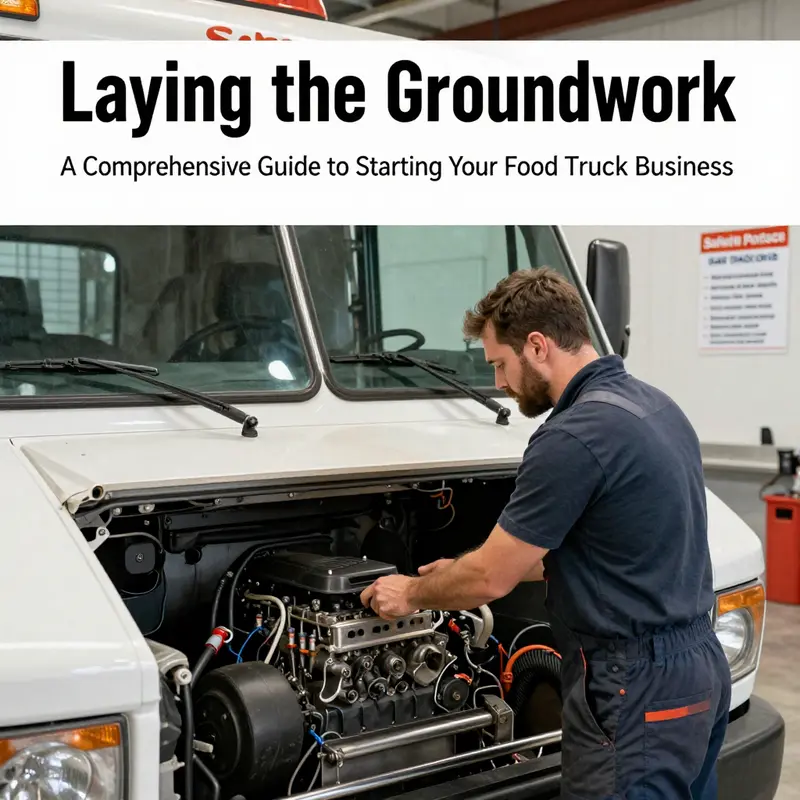
Keeping your truck legally operable and safe for customers requires planning, equipment, and discipline. From the moment you choose a vehicle, compliance and safety must guide every decision. A compliant truck protects your license to operate, reduces liability, and preserves customer trust. Safety practices protect staff and prevent foodborne illness. This chapter walks through the practical steps you should take to ensure your mobile kitchen meets vehicle rules, health standards, and everyday safety needs.
Begin with documentation and official approvals. Register the vehicle in the legal owner’s name and keep the registration card onboard. Confirm the operator holds the appropriate driving license. If your truck is a converted van or trailer, obtain an inspection from the transportation authority. That inspection verifies structural integrity, braking systems, wiring, and other safety-critical elements. Many jurisdictions require a separate mobile food vendor inspection. That review looks at ventilation, waste handling, and food storage design. Before you finalize a purchase or buildout, ask local authorities what inspections they require. It saves time and avoids costly retrofits.
Design your interior with compliance in mind. Use non-porous surfaces on counters and walls. Stainless steel remains the common choice because it withstands heat and cleaning chemicals. Ensure all food-contact surfaces are smooth and easy to sanitize. Plan for adequate refrigeration and hot-holding capacity based on your menu and expected volume. Refrigerators and freezers must maintain safe temperatures consistently. Install a reliable temperature-monitoring solution, and log readings at scheduled intervals. Hot-holding equipment should keep foods above regulatory minimums. Design storage to avoid cross-contamination—raw proteins should be separated from ready-to-eat foods at every stage.
Ventilation and fire safety deserve special attention. Cooking produces grease, smoke, and heat. Proper ventilation prevents buildup and reduces fire risk. Install a commercial-grade hood and exhaust system sized for your appliances. Include grease filters and a capture system you can clean regularly. Most authorities require an automatic fire suppression system integrated with the hood. The system must be inspected and certified on a regular basis. Maintain accessible fire extinguishers rated for grease fires and ensure staff know how to use them. Keep a clear, practiced evacuation plan for emergencies.
Plumbing and handwashing are non-negotiable. Health codes typically require a dedicated handwashing sink with hot and cold running water. Some areas allow temporary alternatives, but only if they meet strict criteria. Provide soap, single-use towels, and a trash receptacle at the handwashing station. Include a three-compartment sink or an approved mechanical washer for utensils. Wastewater must be stored in a sealed tank and disposed of at approved dumping stations. Design the plumbing system to prevent backflow, and ensure fresh water tanks are easy to clean and sanitize.
Electrical safety underpins everything. Hire a licensed electrician experienced in mobile food units. Circuits must handle your equipment without overloading. Install a dedicated breaker panel and clearly label circuits. Use marine-grade wiring where appropriate, and protect all exterior connections from moisture. Consider a backup power plan for peak service or critical refrigeration. If you use a generator, position it to avoid exhaust entering the truck and secure it against theft. Regularly test ground fault circuit interrupters and document inspections.
Waste management and pest control keep a truck operating smoothly. Fit covered trash bins and plan for frequent removal. Grease must go into dedicated containers that meet local disposal rules. Use sealed storage for dry goods and discarded food to deter pests. Schedule routine deep-cleaning that includes vents, filter housings, and under-equipment zones. Inspect seals and door gaskets regularly. Small leaks or missed debris invite vermin and can lead to citations.
Train your team with the same rigor you apply to equipment. Every employee who handles food should hold a valid food handler certificate. Provide orientation on temperature control, cross-contamination, and allergen handling. Run hands-on drills for cleaning, grease trap maintenance, and emergency shutoffs. Practice fire-suppression activation and evacuation until the procedures are second nature. Invest in clear, simple checklists for opening, closing, and shift changes. These lists reduce mistakes and make regulatory inspections smoother. For a broader perspective on the value of skilled staff and continuous training, consider reading about investing in people and how it improves operational outcomes.
Insurance and liability protection are part of compliance too. Maintain commercial vehicle insurance that covers liability and cargo. Many cities require proof of insurance to issue vending permits. Consider a policy for general liability and product liability as well. Read policies carefully to confirm coverage includes mobile food operations. Keep digital and printed copies of all insurance documents onboard. That makes it easy to satisfy inspectors and to resolve disputes quickly.
Documentation and record-keeping prove due diligence. Maintain logs for refrigerator temperatures, cleaning schedules, and employee certifications. Keep manifests for food deliveries and receipts for bulk purchases. Document maintenance work, inspections, and repairs with dates and signatures. When health inspectors visit, a well-organized binder or digital folder demonstrates control over operations. Records also help you trace issues and correct process failures before they escalate.
Routine maintenance protects compliance and uptime. Create a preventive maintenance schedule for the vehicle and kitchen systems. Include oil changes, brake inspections, and tire rotation for the chassis. For the kitchen, schedule hood and grease filter cleaning, refrigerator service, and calibration of thermometers. Keep spare parts for critical items like thermostats, fuses, and burner assemblies. A small inventory of spares can prevent service disruptions during busy shifts.
Plan for inspections and interactions with authorities. Different agencies may inspect your truck: transportation regulators, the health department, fire marshals, and local licensing staff. Keep copies of all permits visibly posted as required. Meet inspectors courteously and keep documentation ready. If violations occur, act quickly to address them and request a re-inspection. Use any citation as a learning opportunity and a prompt to strengthen internal processes.
Operational routines reduce risk day to day. Start each day with a pre-service checklist: verify refrigeration temperatures, test water heaters, inspect extinguishers, and run a quick visual sweep for cleanliness. At shift changes, complete temperature logs and cross-check inventory. After service, perform a deeper clean, empty trash, and secure food stock correctly. Weekly and monthly tasks should include hood cleaning, grease trap emptying, and equipment calibration.
Build a relationship with trusted suppliers and service providers. Reliable vendors minimize last-minute substitutions that can cause food safety issues. Contract with a certified waste disposal service for grease and wastewater. Find a mechanic familiar with modified vehicles and mobile kitchens. Establish a relationship with a local licensed electrician and HVAC technician. Quick access to qualified technicians reduces downtime and helps you meet inspection timelines.
Finally, prepare for emergencies. Develop a plan for power outages, mechanical breakdowns, and severe weather. Keep emergency contact numbers visible and a small toolkit accessible. Create a protocol for moving perishable foods to backup refrigeration if needed. Train staff to secure cooking equipment and to shut off gas supplies safely. Regularly review emergency plans and revise them after tests or real incidents.
Attention to vehicle compliance and safety is a continuous commitment. It begins before you hit the road and continues through every service. By prioritizing documentation, thoughtful design, staff training, and preventive maintenance, you reduce risk and build a more resilient business. These efforts make inspections easier and customers safer, and they strengthen your reputation as a professional vendor.
For a practical primer on legal steps and requirements related to starting a food truck, see the U.S. Small Business Administration guide: https://www.sba.gov/business-guide/starting-a-business/start-food-truck-business
For insights on building a people-first culture that supports safety and reliability, explore investing in people and workforce development strategies at https://titanbusinesstrucks.com/investing-in-people-key-to-truckings-success/.
Supply Chains That Keep Your Food Truck Rolling: Building Reliable Sourcing, Cold Chains, and Contingency Plans
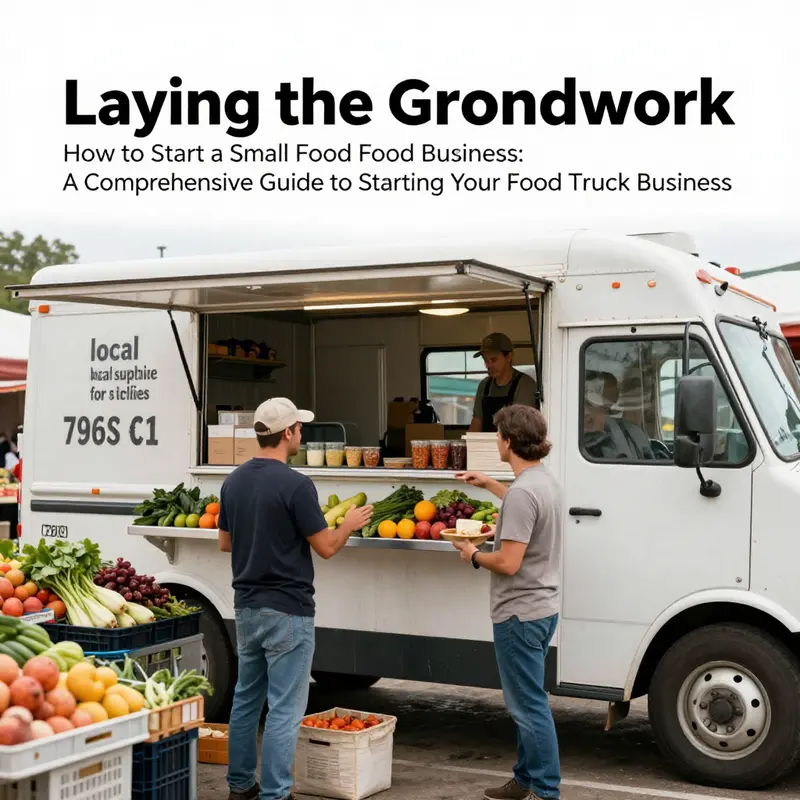
Practical Steps to Build a Resilient Supply Chain for Your Food Truck
A dependable supply chain is the backbone of any successful food truck. It ensures consistent ingredient quality, steady service, and predictable costs. For new operators, the difference between a thriving route and constant firefighting often comes down to how well suppliers, logistics, and contingency plans are set up before the first ticket is sold. This chapter walks through the integrated approach you need to lock in reliability, control waste, and protect your margins.
Start with clear market intelligence. Know who your customers are, what they want, and when they buy. Local demographics, commuting patterns, and competitor menus tell you which ingredients will move fast. That research drives your sourcing priorities. If your concept emphasizes locally grown produce, short supply windows and seasonality must be built into ordering and menu design. If you serve high-turnover proteins, focus on suppliers who can meet daily demand. Market clarity narrows choices and sharpens negotiations.
Once you know what you need, build supplier relationships deliberately. Treat initial outreach as the start of a partnership, not a transaction. Meet growers, wholesalers, and distributors in person when possible. Ask about capacity, delivery windows, and complaint-resolution processes. Request references from other food businesses. Negotiate basic contract elements early: agreed delivery days, acceptable quality standards, pricing tiers, and lead times for special orders. These terms reduce surprises and set expectations on both sides.
Diversify sources to protect your operation. Relying on a single vendor for perishables is risky. Identify at least two primary suppliers and one or two backups for critical items. Backups can be regional distributors, farmers who can step in seasonally, or co-ops that pool stock. When possible, stagger your suppliers’ lead times. This reduces the chance that the same weather event or transportation disruption will affect them all. Diversification also gives you bargaining power when negotiating minimums and price breaks.
Cold chain and logistics are vital to quality and safety. Design your receiving routine around temperature control. Schedule deliveries during low-traffic hours to avoid delays. Use insulated, temperature-controlled boxes and refrigerated transport if your supplier offers it. Maintain temperature logs from receipt to prep, and verify temperatures at the dock and inside the truck. Early-morning deliveries often work best; they give you time to process goods before peak service. For most chilled items, follow recommended chilled temperatures and the supplier’s handling instructions. Consistent temperature control reduces spoilage and shrinks food safety risk.
Operational systems turn agreements into reliable daily practice. Implement a straightforward inventory management platform. Track unit costs, par levels, and shelf life. Automate reorder points for fast-moving items. Use a simple FIFO (first-in, first-out) method and label deliveries with receive dates and expiration windows. Portioning controls are equally important. Standardize recipes, use portion scoops, and weigh proteins when possible. Portion control keeps plate costs predictable and reduces waste caused by over-serving.
Leverage technology for visibility and forecasting. Cloud-based inventory tools, simple POS analytics, and supplier portals give you real-time insight into stock and spend. Use sales data to forecast demand by time and location. Forecasts let you adjust orders before waste builds. For traceability, consider batch numbers or simple digital tags on high-risk ingredients. These tools speed up recalls and minimize disruption if a supplier issue arises.
Quality control must be routine and documented. Establish receiving procedures that include temperature checks, visual inspections, and random quality audits. Train staff to reject deliveries that fail criteria, and record rejection reasons. Periodically audit suppliers on food safety practices and labeling accuracy. Ask for certificates of analysis when dealing with sensitive ingredients. Regular documentation strengthens your case with suppliers when disputes about quality or billing occur.
Negotiate terms that match your cash flow and volume. Small operators may not meet large minimums initially. Seek flexible minimums, trial pricing, and short-term contracts that scale. Request payment terms that smooth cash flow, like net-15 or net-30, when possible. Explore consignment or weekly billing arrangements with local suppliers. When negotiating, trade certainty for savings: commit to steady weekly orders in exchange for better prices. Clear terms reduce stress during growth phases.
Plan for disruption before it happens. Maintain a contingency fund equal to about 15% of operating cash. This reserve covers emergency purchases, last-minute supplier switches, or route delays. Keep a documented list of backup suppliers and their contact details. Consider short-term agreements with local farms for surge coverage. Review insurance options that cover spoilage, transportation losses, and supplier failure. A proactive crisis plan limits downtime and preserves customer trust.
Menu design and purchasing should work together. Build flexibility into your menu so you can substitute ingredients without disrupting taste or margins. Design rotating specials around seasonal abundance. This strategy reduces pressure during shortages and lets you buy smarter. Standardize base recipes so a change in supplier or cut of meat does not require retraining staff. Supplier familiarity with your recipes lowers the friction of substitutions.
Sustainability and local sourcing help your brand and simplify logistics. Short supply chains cut transit time and the number of handoffs. Local relationships often yield faster responses and better traceability. When you source locally, coordinate directly with farmers on harvest windows and quantities. Align your prep schedules to peak freshness. Even modest investments in sustainable packaging, and reduced waste policies, lower long-term costs and appeal to repeat customers.
Communication is a repeatable advantage. Keep weekly check-ins with primary suppliers. Share sales trends so they can plan production. Communicate changes in menu or special events well ahead of time. Build feedback loops: let suppliers know when items meet expectations and when they fall short. These small habits create trust and often lead to priority service during tight supply periods.
Finally, keep improving. Review supplier performance quarterly using simple metrics: on-time delivery percentage, quality acceptance rate, and cost variance. Use those metrics to renegotiate terms or to rotate suppliers when performance lags. Invest in staff training on receiving, storage, and portion control. A small, well-trained team will protect margins far more effectively than frequent supplier switching.
By integrating market knowledge, strategic supplier relationships, robust cold-chain practices, sensible technology, and contingency reserves, you create a supply chain that supports daily operations and growth. Reliable sourcing is not a one-time project. It is a set of habits and systems you maintain as your routes expand and your menu evolves. For operators who treat the supply chain as central, the payoff appears in fewer service interruptions, lower waste, and happier customers.
For a deeper look at practical startup steps on sourcing and supplier selection, see this guide on how to start a food truck business: https://www.strikingly.com/blog/how-to-start-a-food-truck-business
You can also explore strategies for efficient fleet and route management to complement your supply approach with insights from transforming fleet management: transforming fleet management: the case for investing in human capital.
Strategic Streets, Operational Edge: Mastering Location and Efficiency for a Profitable Small Food Truck
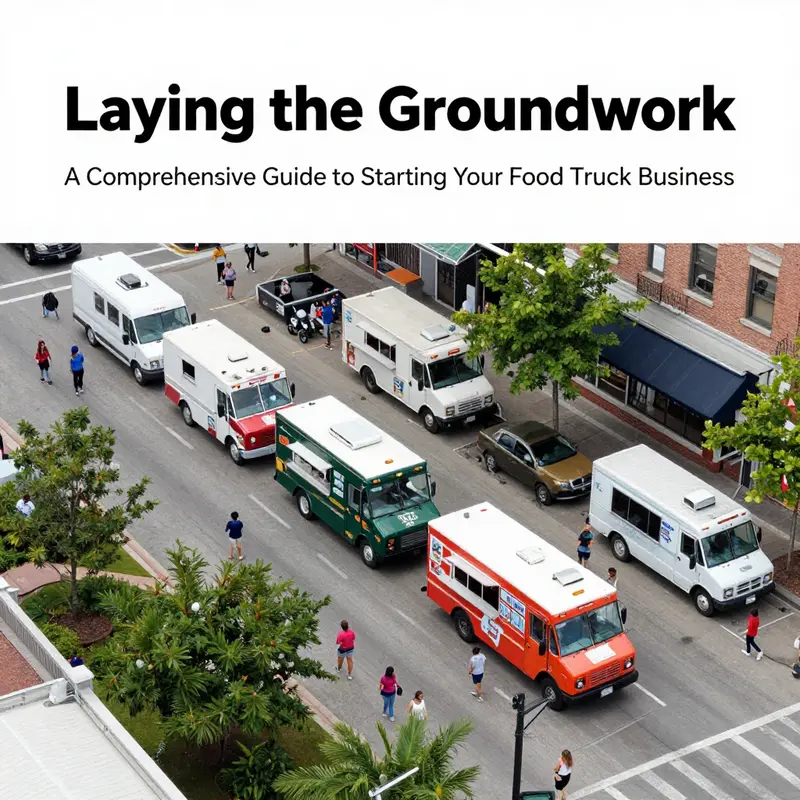
Choosing where to park your food truck and how you run the day-to-day are not separate decisions. They are two sides of the same coin, each influencing the other in real time. When you begin with a clear map of where customers are and how your operations will flow through those places, you set yourself up for consistency, repeatable results, and sustainable growth. The core idea is simple but powerful: use a three-circle targeting approach to locate your core revenue engines, and couple that with disciplined operational optimization that keeps margins healthy and service fast. In practice, this means aligning three pivotal spheres—where people work, where they live, and where they move—from commute corridors to lunchtime clusters to transit hubs—and building a streamlined operation that can flex with those locations without losing control of cost, quality, or the customer experience. This is how a small food truck transitions from a hopeful venture into a dependable, repeatable business model.
The first circle centers on Core Business Districts, the heart of urban lunch culture. Here, the window for capturing demand is narrow and predictable: the mid-day rush, roughly from 11:30 a.m. to 2:00 p.m., when professionals seek quick, affordable meals and have disposable income in hand. In these zones, visibility matters as much as menu speed. The goal is not simply to be seen but to be remembered—an efficient workflow that delivers hot meals in minutes, a friendly, quick-point of contact, and signage that clearly communicates what’s on offer. A well-tuned operation in these spaces can generate meaningful volumes with a relatively small footprint, translating into higher daily sales and healthier margins when costs stay disciplined. The value of this circle lies in the predictability of demand: a reliable flow of customers who weigh convenience as heavily as price, creating an anchor point for your weekly revenue plan.
The second circle moves beyond the office towers into Residential Communities. The rhythm shifts here; mornings and early evenings become prime times as families and stay-at-home parents search for fresh, ready-to-eat options that fit busy schedules. Fresh produce, ready-to-eat meals, and convenient grocery options resonate in these neighborhoods. In this circle, trust is built through consistency and neighborhood presence. It’s about becoming a familiar option that people can count on for breakfast or dinner runs, or for the quick pickup after a long day. A careful blend of comfort-forward offerings, predictable kitchen operations, and dependable hours helps convert first-timers into regulars who return with regularity rather than sporadic visits.
The third circle captures High-Traffic Transit Hubs. Subways, bus terminals, major intersections—these corridors carry pedestrians and commuters in waves. The foot traffic is heavy, the decision-making is fast, and the window to attract a passerby is short. In these locations, the benefits are the scale of impressions and impulse purchases. The trick is to pair speed with allure: a clean, legible menu board, a queue that moves swiftly, and a compact, efficient prep surface that can handle quick turnovers without sacrificing food quality. Some metro exits can report thousands of pedestrians per hour during peak times, and while not every passerby will convert, a steady presence in these hubs converts interest into cash more consistently than a sporadic, single-location setup.
These three circles are not intended to be a scattershot approach. The most successful operators deploy what you might call a 3+X model: establish three fixed, high-performing locations as your core, and maintain one mobile spot for events, market days, or new market testing. The “X” is the test zone—the spot you rotate into when you’re ready to explore a new neighborhood or respond to seasonal shifts. This structure reduces risk while preserving the flexibility necessary for a small operation to punch above its weight. As you scale, the three anchors stabilize your revenue baseline, and the mobile spot acts as a controlled experiment, helping you refine your menu, pricing, and service model without destabilizing the core business.
Operational optimization is the other half of the equation. Location strategy sharpens demand, but execution determines profitability. Start with inventory and supply chain discipline. Implement a first-in, first-out system so perishables move quickly and waste stays in check. Maintain a digital ledger—whether simple or integrated with a broader system—that tracks item-level sales, margins, and even customer feedback. This allows you to reallocate stock fast, boosting the share of high-margin items when a location shows a burst of popularity. Sourcing remains critical; cultivate relationships with local producers and bulk suppliers to secure fresh ingredients at lower costs. The aim is to reduce procurement expenses while preserving quality and consistency, ideally squeezing a meaningful reduction—often in the double-digit range—through smarter sourcing and better waste control.
Pricing and product mix require a blend of science and art. A practical framework is a tiered structure: roughly 20 percent of offerings as low-cost, loss-leader items to draw in budget-conscious customers; about 50 percent as core, high-margin signatures that drive sustained profitability; and 30 percent as value-added bundles that increase average order value. The cost-plus approach helps you anchor price to ingredient cost while maintaining a deliberate target profit margin. Regular SKU reviews using a simple ABC analysis protect margins by pruning underperformers—items with low turnover or flat demand—to free up space, labor, and storage for higher-impact products. In a mobile, high-velocity business, those decisions can meaningfully raise the overall menu performance week after week.
From there, cost control extends into equipment and daily expenditures. Fuel is a notable variable cost; if feasible, consider a vehicle with strong fuel efficiency or even an electric option, given the much lower running costs. In practical terms, you would monitor daily expenses closely: typical figures might include fuel outlays around a modest daily amount, depreciation for equipment, and licensing fees for the vehicle and permits. When the truck earns a healthy gross margin—say around 60 percent—careful cost management can push net profit into a healthy range, even with competitive pricing. The precise numbers will depend on your locale and menu, but the discipline is universal: track costs daily, compare to revenue, and adjust quickly.
Customer experience acts as the connective tissue between location and profitability. A robust loyalty approach can convert one-off buyers into regulars. Offer thoughtful extras, such as occasional free delivery for larger orders and a system for advance notifications and pre-orders. Build a simple, fast payment flow—mobile payments reduce friction and speed up the line, which matters in busy locations. Even small touches—sharing cooking tips or a sample bite—can deepen loyalty in a way that scales across multiple sites. As your brand grows, a consistent, upbeat service ethos provides the emotional backdrop to the physical efficiency of your operation.
In parallel with these operational levers, keep your branding coherent and visible across all sites. A strong, clear visual identity helps customers recognize your truck in a sea of options, while consistent pricing and service quality turn quick stops into predictable revenue. The integration of data into daily decisions cannot be overstated. Track sales by location and time, refine your menu-mix to reflect demand patterns, and be prepared to shift your emphasis between circles as seasons or events demand. The three-circle approach, anchored by a disciplined 3+X model, turns location into a strategic asset rather than a constant gamble. The more you treat location as a live, data-informed asset, the more you can extract certainty from the variability that comes with mobile food service.
As you contemplate growth, consider the broader ecosystem that supports you—a network of people, processes, and partners that enable your truck to operate as a small, efficient platform. The people on your team become critical when you scale; their skills, attitudes, and reliability directly influence customer experience and the smoothness of daily operations. You can think of it as investing in human capital on wheels: a crew trained not only to cook and serve but to troubleshoot, adapt, and communicate clearly with guests in real time. For readers curious about this aspect of business maturity, one resource highlights a people-first approach as central to success in mobile logistics and fleet operations: Investing in People: A New Path for Trucking Fleets. This perspective can translate well to a food truck context, where frontline staff determine the quality of guest interactions and the restaurant-like impression that keeps customers coming back. Investing in People: A New Path for Trucking Fleets invites a broader lens on staffing culture, training, and leadership that can be adapted to a small food business without losing the core focus on speed, consistency, and hospitality.
The practical takeaway is straightforward: map your customer flow across three strategic spaces, anchor your business in three dependable locations, and preserve flexibility with a mobile testing spot. Couple that with rigorous inventory control, disciplined pricing, continuous cost monitoring, and a customer experience built on speed, reliability, and warmth. The result is not a perfect, unchanging plan, but a resilient model that can weather the inevitable shifts in demand, competition, and regulation. You’ll know where you should be, when you should push product variants, and how you should respond to the day’s sales signals without compromising the core values of your brand.
For readers seeking a broader, industry-wide frame of reference, industry market analyses offer context on how the global market for mobile food concepts is evolving and the growth trajectories that many operators pursue. External resources can illuminate trends such as consumer acceptance of mobile formats, the balance of profitability across cities, and the widening role of delivery and off-site fulfillment in this space. External resource: https://www.marketresearchfuture.com/reports/food-truck-industry-market-size
In summary, the art of starting a successful small food truck rests on two intertwined disciplines: locating the business where customers are most likely to say yes, and operating with precision so every location adds to a predictable revenue stream rather than eroding margins. When you blend three-circle targeting with a disciplined operational playbook, you create a sustainable engine that can scale. This approach protects your cash flow, sharpens your competitive edge, and keeps you focused on delivering tasty, timely meals to people who value convenience as much as flavor. The journey from concept to consistent profit is not a straight line, but with a clear map and disciplined execution, it becomes a path you can navigate with confidence.
Final thoughts
Starting a small food truck business requires thoughtful planning, compliance, and operational strategies, especially for logistics, construction, and fleet management companies looking to diversify. By developing a comprehensive business plan, securing the necessary permits, ensuring vehicle safety, managing supply chains, and optimizing locations, entrepreneurs can significantly enhance their chances of success. This business model not only serves to bring gourmet options to various locations but also allows companies to engage more intimately with their community. As you consider this venture, remember that each step lays the groundwork for potential growth and sustainability in the dynamic culinary landscape.