
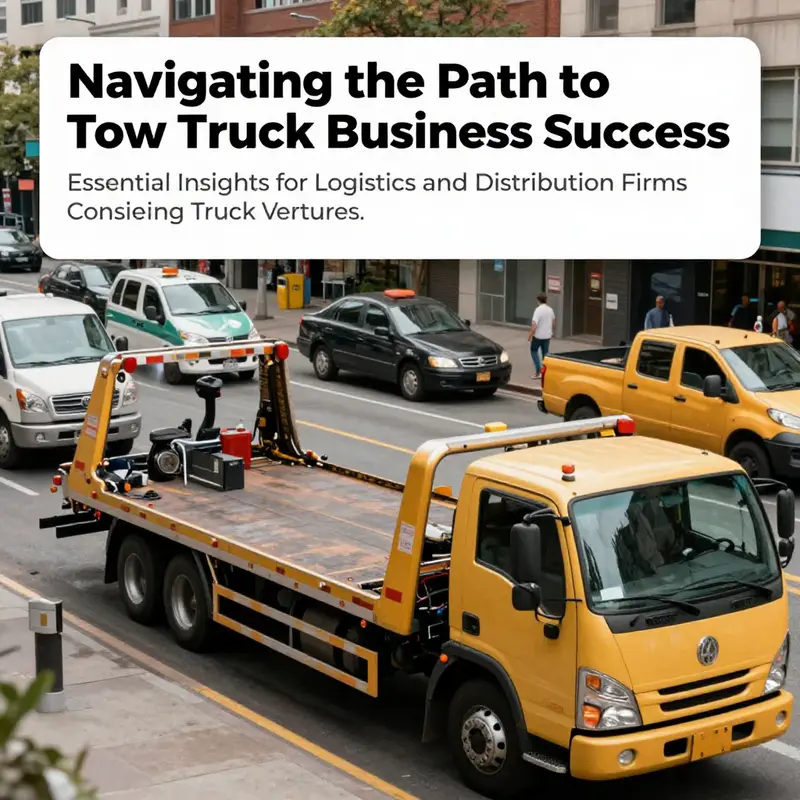
Entering the tow truck business can present valuable opportunities, particularly for logistics and freight companies, construction and engineering firms, fleet management companies, and food and beverage distributors. This article explores the essential aspects of launching a tow truck business, beginning with regulatory requirements that ensure compliance and safety. Understanding the initial investment is crucial for financial planning, as costs encompass both truck acquisition and ongoing operational expenses. Finally, examining market demand and customer service pivots addresses how to achieve a competitive edge in the towing industry. Through an in-depth analysis of these facets, businesses can make informed decisions about venturing into this profitable sector.
Navigating the Legal Roadmap: Regulatory Foundations for Launching a Tow Truck Venture
Starting a tow truck business is rarely just about the vehicles and the service mindset. It sits at the intersection of entrepreneurship and a dense fabric of rules designed to protect the public, regulate professional conduct, and ensure that roadside or fleet recovery work is performed with safety and accountability. The decision to launch a tow operation, whether you plan to operate solo or build a small fleet, invites a careful, systemic look at the regulatory terrain you will inhabit. This terrain is not a one-size-fits-all map but a mosaic of federal guidance and state, provincial, and local requirements that continually evolve with technology, public safety priorities, and industry practices. A clear-eyed view of regulatory fundamentals helps you avoid costly missteps, builds a foundation for confident growth, and strengthens the trust you must earn from customers, insurers, and municipal authorities.
The first reality to acknowledge is variation. In the United States, where many readers may base their planning, every state claims its own approach to commercial vehicle operations, licensing, and insurance. Outside the U.S., jurisdictions similarly carve out their own rules. This patchwork means a regulation that is routine in one place can be a hurdle in another. It also means your early due diligence will require research tailored to your target markets, including any counties or municipalities where you expect to operate. The practical implication is simple: success begins with proactive compliance planning rather than last-minute filings. A well-designed compliance framework helps you weather inspections, audits, and the daily decisions that come with fieldwork, dispatch operations, and customer interactions.
At the core of regulatory planning are several recurring categories that most tow businesses will encounter, even as specifics differ by jurisdiction. The first category is business licensing and registration. Before you even purchase a truck or post a sign, you must establish your business entity with the appropriate state or provincial authority. This typically entails choosing a legal structure—such as a sole proprietorship, limited liability company, or corporation—then filing the necessary formation documents and securing a general business license. The intent here is not merely bureaucratic formality. It is about creating a separately identifiable entity that can bear contracts, open bank accounts, maintain records, and meet financial obligations in a predictable, separable way. The processes are rarely invisible to insurers or potential partners, and they often determine eligibility for other required licenses or bonds.
A second central pillar concerns driver and vehicle credentials. If you intend to operate the tow truck yourself, you will almost certainly need a Commercial Driver’s License, or CDL, with the appropriate endorsement. In many jurisdictions, that means a Class B CDL with a towing endorsement, sometimes labeled as a “T” endorsement. The precise rules—minimum age, vision standards, written tests, practical driving tests, and medical requirements—are laid out by the state’s department of motor vehicles. If you plan to employ drivers, you may also need to ensure that each operator meets the same standards or that you implement a compliant training program that aligns with regulatory expectations. Beyond the CDL, several states require a specialized towing operator license or permit separate from the CDL. These licenses can involve background checks, proof of bonding, and a structured exam on towing laws, procedures, and professional ethics. In other words, the credentialing framework is layered: you must align both your business registration and individual qualifications to local expectations to lawfully operate.
Insurance is the third major axis. Tow operations, by their nature, expose the public to risk in a way that demands robust coverage. Most states require comprehensive insurance packages that typically include liability coverage to address damages to other vehicles and property, physical damage coverage for your tow trucks, and often a surety bond or a towing bond. The required minimums vary widely, reflecting the potential severity of loss in towing incidents, including vehicle damage, property damage, bodily injury, and cargo-related exposures. Because insurance is tightly coupled to licensing in many places, insurers will often require proof that you meet all current regulatory prerequisites before they issue or renew coverage. The result is a virtuous cycle: regulatory compliance strengthens risk management, which in turn improves insurance availability and terms, and that in turn supports broader market access and credibility with customers.
Vehicle registration and inspection comprise the fourth pillar. Tow trucks are commercial vehicles, and they must be registered accordingly with the state’s motor vehicle authority. They also undergo periodic safety inspections to confirm that critical components—brakes, lights, tires, hydraulics, and the tow apparatus—meet safety standards. These checks are not cosmetic; they are essential for roadworthiness and for ensuring the vehicle performs reliably under demanding conditions, such as during a roadside recovery in poor weather or at night. When you add specialized equipment like wheel-lift systems or flatbeds, there are usually additional equipment-specific standards. Adhering to inspection schedules and maintaining meticulous maintenance records can help you anticipate and manage compliance costs, while also supporting smoother claim handling should an incident occur.
Local ordinances form the fifth essential layer. Municipalities and counties frequently impose rules that can affect operating hours, where a tow operation may park or queue equipment, how signage must look, and how dispatch information is shared with customers or authorities. Zoning restrictions and noise ordinances are not merely about keeping peace in neighborhoods; they influence what kinds of facilities you can operate and where you can stage vehicles for service. In practice, this means you must map your service area with an eye toward the local regulatory climate. It can affect where you locate a shop, how you schedule on-call coverage, and how you position your fleet to respond quickly to incidents without violating time-of-day restrictions or trespassing rules when recovering vehicles parked in private lots.
The sixth category concerns the general framework of towing laws themselves. This includes the proper documentation for a tow, protocol for contacting vehicle owners, and pricing transparency. In many places, regulations govern how and when a vehicle can be towed, what notice must be provided, and the steps required to avoid abuses such as improper towing practices or coercive recovery methods. You may also face rules about record-keeping, lien rights, and reporting obligations for abandoned vehicles. The scope can be broad, sometimes touching on consumer protections, fair business practices, and the responsibilities that towing operators have when interacting with the police, hospitals, auto repair shops, and insurance entities. The consequences of non-compliance can be severe: fines, suspension of licenses, reputational damage, or even the forced shutdown of a business. The learnings here are clear. A tow operation is not merely a service; it is a regulated enterprise with steady oversight.
Given this complexity, a prudent approach to regulatory readiness begins with a proactive discovery phase. Identify every license you will need now and in the near future, map out the required certifications for yourself and any employees, and collect the documents that establish your business’s legal and financial footing. Create a regulatory calendar that tracks license renewals, insurance expirations, vehicle inspections, and any required background checks or bond renewals. This calendar should be integrated with your operations plan, ensuring that compliance tasks align with dispatch, maintenance, and customer service workflows. A practical step is to appoint a primary compliance owner—someone responsible for staying current with regulatory changes, coordinating with insurers, and ensuring that filings are accurate and timely. This person does not need to be a lawyer, but they should be adept at project management, understand the basic alphabet of licenses and endorsements, and know when to seek professional guidance.
Beyond the basics, there is value in building a living set of standard operating procedures that reflect regulatory expectations. These SOPs should cover onboarding for new drivers, including the necessary credentials, background checks, and safety training; procedures for vehicle inspections and maintenance logs; and the process for documenting all tows, including authorization, owner contact attempts, and final disposition. When your team can demonstrate consistent adherence to documented standards, you gain more than compliance—you gain efficiency, predictability, and a stronger basis for negotiating with insurers and municipal partners.
Another practical consideration is the relationship with public authorities. Many jurisdictions maintain open channels for guidance, but the speed of regulatory change can surprise newcomers. Regular contact with the state department of transportation, the motor vehicle agency, and relevant public safety offices can prevent costly misinterpretations. It also helps you stay ahead of policy shifts, such as changes in bonding requirements, updated towing definitions, or new reporting obligations triggered by emerging safety standards. The most effective operators treat compliance as a competitive advantage rather than a bureaucratic burden. They invest in training, document control, and transparent communications with customers to demonstrate reliability and accountability. This approach not only reduces risk but also enhances reputation in an industry where service quality and trust are currency.
To connect this local focus with broader regulatory conversations, consider the value of looking at cross-border or multi-jurisdictional perspectives. For readers whose operations transcend a single state or province, the complexity multiplies, and a robust framework becomes essential. For a broader regulatory context that touches cross-border considerations in trucking, you may find value in resources that discuss multi-jurisdictional compliance and the lessons from industry forums. Navigating cross-border challenges—key insights from the TCA Annual Meeting offers perspectives that can help shape your internal compliance strategy without replacing the need for local due diligence. The idea is to use such insights as a compass, not as a substitute for the precise requirements in your operating area. Integrating these insights with your location-specific regulations creates a resilient compliance posture that can adapt to changes in the regulatory environment and in the market you serve.
As you prepare to launch, let the regulatory work inform your financial planning as well. The initial investment in licensing, bonding, and insurance can be substantial. Even when you select a modest first set of equipment, the cumulative cost of registrations, inspections, and coverage will be ongoing. Build this reality into your cash flow model, not as a one-off hurdle but as a recurring line item that scales with growth. This approach helps managers avoid the risky combination of aggressive expansion and regulatory gaps. It also underscores the importance of governance—demonstrating to lenders, insurers, and partners that you operate with discipline, foresight, and clear accountability.
The topic is far from abstract. The regulatory framework directly shapes practical decisions, from the choice between a flatbed and other tow configurations to how you structure dispatch and claims processes. A flatbed, with its secure vehicle transport and lower risk of further damage, can influence insurance coverage needs and bonding considerations, yet the equipment choice does not exempt you from regulatory scrutiny. The most successful operators think of their fleet as both a capability and a regulatory instrument: a tool that enhances safety and efficiency while meeting the highest legal standards. Such operators develop a culture of compliance that begins on day one and matures as the business grows, ensuring that they can respond to audits, licensing renewals, and customer inquiries with clarity and confidence.
In the end, regulatory readiness is an investment in sustainability. The market rewards operators who can demonstrate consistent compliance, transparent practices, and reliable service. This is not about avoiding risk at all costs; it is about managing risk through preparedness, thorough documentation, and proactive engagement with regulators and customers alike. As you plan, embed compliance into your core business strategy, not as an afterthought. The result is not only lawful operation but a stronger platform for growth, better insurer relationships, and a more resilient brand that can weather regulatory shifts and market cycles alike. The regulatory road may be long and sometimes winding, but it is navigable when approached with rigor, foresight, and a steady commitment to safety and accountability.
External reference: U.S. Department of Transportation – regulatory guidance
Balancing Upfront Investment with Long-Term Cost Control: The Real Cost of Starting a Tow Truck Business
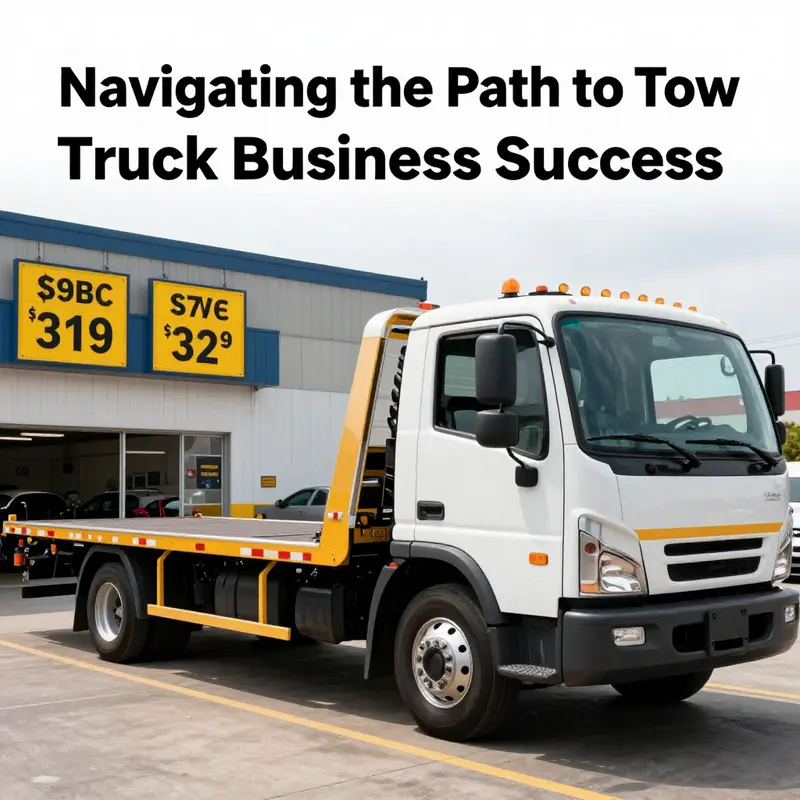
Embarking on a tow truck business is as much a financial undertaking as it is a service venture. The road from a concept to a thriving operation is paved with careful budgeting, prudent asset selection, and a disciplined view of ongoing costs. For many would-be operators, the deciding factor isn’t only the demand for towing or roadside assistance; it is how well they align upfront investments with sustainable, predictable expenses over time. In this chapter, we explore the costs that professionals face at the outset, how those costs interact with day-to-day operations, and the mindset needed to keep a newly formed business solvent while still delivering reliable service to customers who count on rapid response and careful handling of their property. The core of a successful launch rests on a balance between acquiring dependable hardware and building the systems that keep that hardware productive, compliant, and integrated with the market one aims to serve.
A tow truck is more than a vehicle—it’s a highly specialized tool whose value is defined by capability, reliability, and versatility. The most conspicuous line in the cost ledger is the purchase price of the tow rig itself. New, high-capacity flatbed models can exceed $100,000, while well-maintained used trucks often land somewhere in the $30,000 to $70,000 range, depending on age, mileage, and the presence of hydraulic systems, winches, and recovery gear. For many startups, a staged approach makes sense: begin with a solid used unit to validate demand and business processes, then upgrade as cash flow stabilizes and revenue streams solidify. This approach not only preserves cash during the early growth phase but also allows time to develop a pricing strategy that reflects the true cost of operations, including insurance, maintenance, and labor. The choice between new and used is not merely about upfront price; it shapes maintenance schedules, parts availability, warranty coverage, and even financing terms that affect monthly cash flow.
The equipment that accompanies the tow truck forms the second major pillar of initial costs. Recovery chains, tow straps, wheel dollies, and safety gear are essential, and their quality can influence both safety outcomes and the speed with which a job is completed. In this line, the purchase decision should consider not just the price tag but the reliability and compatibility of each item with the truck’s hydraulic and electrical systems. Substandard gear can lead to mishaps on the roadway, increased risk of injury, or longer call times as operators fumble with mismatched equipment. A well-considered bundle—strong winches, sturdy straps, and properly rated dollies—helps minimize on-road delays, which in turn impacts customer satisfaction and repeat business.
Insurance looms large in any startup’s cost profile. Commercial auto insurance for tow trucks is inherently more expensive than typical auto coverage because of the operational risks involved in roadside work, vehicle recovery, and potential liability. Premiums can exceed $5,000 annually for a single vehicle, and this figure may rise with the addition of multiple trucks, drivers, and a broader service footprint. The policy design matters just as much as the premium. Operators should seek coverage that includes liability, cargo, and non-owned vehicle protection, all tailored to the realities of towing operations—on-call dispatch, night shifts, and the potential for accident-scene involvement. The essential takeaway is that insurance is not a one-time hurdle; it’s a recurring cost that scales with fleet size and service area. Planning for insurance in the early budgeting phase helps prevent gaps in coverage that could jeopardize the business when it encounters a claim or a non-covered risk.
Licenses and permits are another non-negligible slice of startup costs. Depending on the jurisdiction, obtaining a Department of Transportation (DOT) number, operating authority, and any local business licenses can involve application fees, background checks, and recurring registrations. Some regions require additional endorsements for immobilization, hazmat response, or certain vehicle configurations, all of which can affect both up-front costs and ongoing compliance expenses. The variability from state to state means a thorough regulatory review is essential before committing capital to a fleet purchase. An operator who understands these requirements from the outset not only reduces the risk of compliance gaps but can also time the procurement of equipment to align with licensing milestones, ensuring a smoother launch window.
Beyond the vehicle and the legal framework, establishing a mobile office and dispatch system is critical to turning a single truck into a responsive service. Dispatch software, mobile apps, and robust communication tools translate a physical asset into a scalable, market-responsive operation. The upfront costs here cover more than subscriptions; they include hardware like rugged tablets or laptops, reliable mobile networks, and secure data storage that protects customer information and service history. In practice, the dispatch ecosystem becomes the backbone for scheduling, GPS tracking, and real-time updates, all of which contribute to faster response times and higher first-attempt resolution rates. A well-designed dispatch workflow reduces idle time, optimizes routing, and enables a small team to manage a growing call volume with consistency. The investment is not merely in technology but in the clarity and predictability it brings to daily operations.
Communication tools complete the triad of essential infrastructure for a startup. Two-way radios, GPS-enabled devices, and back-end platforms that deliver job details to drivers in real time create a seamless flow from the moment a call is received to the moment a vehicle leaves the scene. Reliability here translates into safety and speed; cut corners on communications and the result is sloppy dispatch, missed details, or slower responses. The cost of quality communication equipment vanishes in comparison to the cost of a late arrival at a critical roadside incident, where anxious drivers and stranded motorists depend on the operator’s reliability. When budgeting, it is prudent to earmark funds for redundancy, such as spare radios and backup connectivity, so service levels don’t slip during network outages or equipment failures.
All these elements—the truck, the gear, the insurance, the licenses, the mobile office, and the communications—are not isolated line items but components of a coherent system. They must be aligned with the market you intend to serve and the service levels you intend to deliver. A critical practice for any startup is to build a budget that reflects not only the initial outlay but also the cadence of ongoing cash requirements. Fuel, preventive maintenance, tire replacements, and routine inspections will recur with regularity, and each of these costs should be forecast with a degree of conservatism that accounts for seasonal fluctuations, emergency repairs, and unplanned incidents. When a business plans for these realities, it can avoid cash crunches that undermine growth plans during peak demand periods.
In many ways, the financial architecture of a tow truck startup is a story of trade-offs. A buyer who chooses a high-end, brand-new flatbed with top-tier hydraulics gains reliability and potentially lower maintenance surprises but shoulders a much larger upfront price tag. The trade-off becomes a question of cash flow discipline and the capacity to absorb monthly loan payments, insurance premiums, and the ongoing cost of parts and service. Conversely, a buyer who opts for a lower upfront cost may enjoy quicker break-even but risks higher maintenance expenses and more frequent downtime. Neither choice is inherently right or wrong; the prudent path is to quantify risk and to design a financing strategy that sustains operations even if demand experiences a temporary lull.
Another strategic consideration is how to phase capital expenditures in a way that preserves liquidity while still delivering the level of service the market expects. A practical approach is to begin with a single capable unit and a lean set of core equipment, then expand the fleet as revenue becomes steadier and customer contracts begin to mature. This phased growth strategy is compatible with a careful assessment of the local market’s needs—whether you are positioned in a dense urban corridor with high call volume, a suburban setting with steady demand, or a rural area where response speed and reliability differentiate your service. Market conditions influence not just price points but also the mix of services that should be emphasized in the early stages—light-to-medium duty towing, accident recovery, winch-out assistance, and dealership vehicle transport all require different resources and risk profiles.
In addition to hardware and compliance costs, startups should plan for the intangible yet essential expense of building trust. Customer service and reputation are not flashy line items on a balance sheet, but they function as critical assets that determine whether a client calls you again or switches to a competitor. The cost of poor service—missed calls, late arrivals, damaged vehicles, or unprofessional conduct—can far exceed the price of safer, more reliable equipment. Training, standard operating procedures, and a culture of accountability help reduce this risk. A well-disciplined, customer-centered operation tends to attract repeat business and generate referrals, which, in turn, improves cash flow stability over time.
As you navigate the financial terrain of a tow truck startup, you will find it helpful to view capital expenditures through the lens of opportunity cost—the potential revenue that could be generated if funds were deployed elsewhere, weighed against the expected profitability of the project. A useful mental model is to attach a realistic hurdle rate to your investment and to test scenarios that adjust for fuel costs, maintenance intervals, insurance premiums, and the probability of call-outs during different seasons. By stress-testing your budget against plausible contingencies, you can determine whether the venture will reach break-even within a target timeframe and how sensitive your schedule is to fluctuations in demand. This disciplined approach helps ensure that the startup does not burn through capital in the first year only to face a stretched runway as the market evolves.
Even with a robust plan, you should not underestimate the value of external guidance. The process of licensing, insurance, and fleet planning benefits from the experience of others who have walked the same road. Conversations with insurers, trusted equipment dealers, and regulatory specialists can yield practical insights about the most efficient configurations and financing options. Incorporating this external perspective into your budgeting process can help you avoid common miscalculations, such as underestimating the cost of maintenance or overestimating the durability of a lower-cost unit. A well-rounded plan blends hard numbers with the practical wisdom gained from field experience, so that the projection of costs remains tethered to actual operational dynamics rather than theoretical models alone.
Finally, it is worth acknowledging the logistical and strategic value of a clear early plan for human capital. The manpower behind a tow truck operation—drivers, dispatchers, and administrative staff—transforms capital into service. You may seek to begin with a lean crew and add capacity as call volume grows, but you should also consider the human aspects of reliability, safety, and professionalism. The way you recruit, train, and retain talent will shape the quality of every roadside interaction. The decision to invest upfront in a structured onboarding program, an incentive framework, and ongoing coaching can yield outsized returns in terms of customer satisfaction and staff retention. In this sense, the chapter on investing in people becomes more than a side note; it becomes a central thread that weaves together asset management with service excellence. For those exploring how staffing strategies can influence fleet performance, see the discussion on investing in people as a key to trucking fleets’ success.
In sum, starting a tow truck business demands a careful, holistic reckoning of upfront investments and ongoing costs. The initial price of the truck and the equipment sets the floor, but the ongoing obligations—insurance, licensing, maintenance, fuel, and labor—define the ceiling of what you can afford and how quickly you can scale. A prudent operator builds a financial framework that accommodates both the excitement of early growth and the discipline needed to weather economic and market fluctuations. The most sustainable startups align their asset choices with realistic cash-flow projections, integrate robust dispatch and communications infrastructure from day one, and prioritize service quality as a strategic differentiator. When these elements come together, the business is not merely capable of surviving its first year; it is positioned to grow with a reputation for reliability and a track record of responsive, professional roadside support. For readers who want to explore how a focus on people and culture can drive fleet performance as part of this journey, the linked piece on investing in people provides a useful perspective on the broader importance of talent in trucking operations.
For those who want a practical starting point to anchor the numbers, it helps to anchor the budget to a few scalable benchmarks: a mid-range used flatbed as the anchor asset, a core set of recovery gear, a basic yet reliable dispatch system, and a safety-first operating framework. From there, you can layer in insurance, licensing, a small but capable marketing effort to establish presence in your target market, and the initial operating capital necessary to cover fuel, maintenance, and wages for the first few weeks of operation. This approach—phased, disciplined, and aligned with market realities—offers the best chance of turning what can be an intimidating upfront investment into a sustainable, growing business. As with any venture that sits at the intersection of asset-intensive operations and service delivery, the path to profitability requires a careful balance: invest enough to perform consistently, but preserve liquidity to weather the inevitable fluctuations in demand. The payoff is not simply owning a fleet of tow trucks; it is the confidence that comes from knowing the business can meet customer needs swiftly, safely, and reliably, season after season.
To further ground these considerations in practical terms, prospective operators should turn to established guidance that outlines the broader startup cost landscape. The Small Business Administration’s comprehensive guide offers a detailed framework for planning, funding, and launching a new venture. This resource can help translate the numbers discussed here into a formal budget, cash-flow projections, and a plan that aligns with regulatory expectations and market opportunities. Start with a clear plan, and use it as a living document that evolves with your business. While the specifics of your local costs may differ, the underlying principles—clarity of investment, disciplined budgeting, and a strong focus on service quality—remain universal across markets and service areas.
External resource for further reading: https://www.sba.gov/business-guide/plan-your-business/start-a-business
Riding the Demand Wave: Building a Tow Truck Startup Through Market Insight and Customer-Centric Service
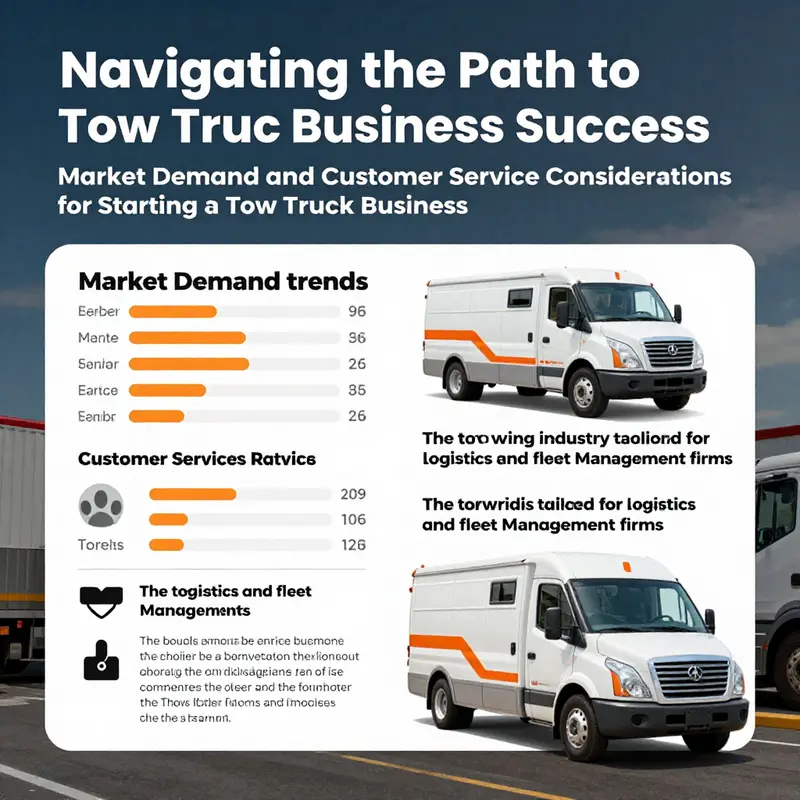
Towing isn’t just about hauling a disabled vehicle from point A to point B. It’s a service business that rides on the currents of traffic, commerce, and trust. When you’re considering starting a tow truck operation, the market’s pulse isn’t something you observe after you buy a truck. It’s something you feel before you write a single dispatch, because demand and perception of service quality will shape every decision you make. The current landscape is shaped by a few enduring forces, but also by a sharper expectation of how a tow service should behave. The result is a market that rewards reliability, clarity, speed, and a communication rhythm that feels almost real-time to customers on the other end of the line. Understanding these forces—and the ways you can align your operational model with them—will determine whether your new venture sustains momentum or becomes a cautionary tale about overestimating demand or underestimating the cost of poor service.
The most constant driver of tow demand is the sheer volume of vehicles on the road. Cars and trucks are a moving ecosystem, and breakdowns, collisions, and other emergencies happen with striking regularity. In urban and suburban corridors, this creates a predictable baseline need for quick, professional assistance. But the landscape is now layered with new dynamics. The growth of e-commerce and the broader logistics ecosystem means more commercial traffic on the roads and more complex vehicle movements—delivery fleets, service fleets, and independent operators all require reliable support when a vehicle fails or a load must be relocated. Infrastructure projects, too, contribute to demand. Road construction, bridge work, and large-scale equipment relocation can generate the need for specialized towing and transport. A tow operator who understands these macro drivers can time their market entry and capacity planning with greater precision, selecting locations, hours, and service lines that align with real demand rather than guesswork.
Beyond these broad drivers lies a rapidly expanding niche that is reshaping what customers expect from a tow service: personal car shipping. A 2025 industry snapshot highlights a surge in private individuals needing reliable vehicle transport across state lines. The shift from a primarily business-to-business model to a more pronounced consumer-to-consumer dynamic places a premium on the customer experience. When a private vehicle is entrusted to a towing and transport company, the transaction is personal. The consumer expects transparent pricing, predictable timelines, and a sense of safety and care in every step of the journey. This isn’t a small deviation from ordinary towing; it’s a wholesale shift in how the service is experienced, priced, and tracked. For a new business, this means market opportunities exist not only in responding to emergencies but in building a reputation as a trustworthy partner for high-stakes, high-value vehicle moves.
That shift toward customer experience reframes how you approach your service model. If you decide to pursue the personal shipping segment, you’re entering a space where price clarity matters as much as speed. Consumers dislike price opacity—the so-called price black box. They want clear, itemized quotes and predictable final costs, even when variables like distance, access, or vehicle type introduce complexity. To win in this space, you must employ transparent quoting practices and a robust set of communication tools that keeps customers informed from the moment a request is received through final delivery. Real-time tracking becomes not just a feature but a trust-building practice. Seeing where the carrier is, estimated arrival times, and any delays reduces anxiety and helps customers coordinate their own schedules around the move. In essence, the personal shipping niche demands a coupling of technical reliability with customer-facing transparency.
For fleets and commercial customers, premium service isn’t optional; it’s a necessity. Commercial operations run on schedules, efficiency, and predictable response times. When a fleet contracts a tow partner, they are buying not just a truck and a driver but a component of their own reliability. In this segment, the priority is not merely getting the job done but meeting precise service levels under varying conditions. A robust fleet strategy emphasizes quick response, the ability to handle heavy-duty loads, and specialized equipment that can accommodate a broad spectrum of vehicles and trailers. It also values the ability to mobilize quickly across multiple accounts, maintain consistent dispatch protocols, and deliver consistent performance even when demand spikes. A tow operator who can demonstrate dependable service to multiple fleets will win repeat business, which is the true currency of scale in this industry.
This is where the customer service dimension becomes a tangible competitive advantage. The research behind today’s market shows that customers increasingly judge a towing service by how well it communicates, how transparent pricing is, and how safely vehicles are handled during transport. Customer experience is no longer a soft differentiator; it’s a driver of loyalty, referrals, and long-term growth. The personal shipping market, in particular, puts a premium on speed and clarity. People shipping their personal cars want regular updates, accurate ETAs, and a clear line of communication if something goes off plan. The fleet market rewards reliability and speed in a different register, with emphasis on dispatch accuracy, proactive problem-solving, and a proven track record of safe handling and on-time delivery.
To translate these market realities into a starting plan, a new tow business must think in terms of two broad customer segments and map service offerings to their distinct needs. If your aim is personal car shipping, you’ll want scalable pricing from the outset, a transparent workflow, and a customer portal or at least a reliable SMS or email update system. The structure should support easy quoting, a clear service-level agreement, and strong safety practices that protect the customer’s asset and the company’s reputation. If you’re targeting commercial fleets, your emphasis shifts toward reliability, responsiveness, and specialized equipment. You’ll build a service package around rapid dispatch, uniform drivers’ training, and a clear set of performance metrics that fleets can audit. In both cases, though, the utter necessity is to build trust through consistent, professional behavior across every touchpoint—phone, digital quote, dispatch, on-the-road updates, and post-service follow-up.
The practical implications for a budding operator are not abstract. They translate into concrete expectations about your team and your processes. Staffing decisions should consider not just driving ability but communication skills and a customer-first mindset. The most effective dispatch teams are those that can translate a customer’s needs into precise instructions for the driver, while still maintaining a human, empathetic tone if delays occur. Safety is a non-negotiable baseline. Every move of a tow or transport operation should be guided by established safety protocols, driver training standards, and meticulous vehicle handling practices. The market rewards operators who can deliver punctuality, minimal vehicle risk, and clear, honest communication when something doesn’t go according to plan. When you combine dependable, well-trained drivers with transparent pricing and real-time updates, you create a service ecosystem that reduces friction for customers and increases the likelihood of repeat business and referrals.
This is not a call to chase every possible market segment at once. Instead, it’s a recommendation to choose a practical entry point and to design your growth plan around the service quality that aligns with that entry point. For a startup eyeing personal car shipping, you might begin with vehicles that are relatively easy to locate, require careful handling, and benefit most from a transparent pricing model and tracking. This could mean focusing on residential moves, high-value imports, and cars that require careful load management. For a fleet-first approach, you might begin by targeting regionally concentrated commercial accounts with a history of needing reliable recovery and relocation services for heavy or unusual loads. In either path, your branding, pricing philosophy, and customer communications should convey competence, care, and reliability from the first contact.
To sustain growth, you’ll also need to pair service quality with scalable operations. This includes investing in dispatch software that can handle scheduling, GPS tracking, and automated customer communications. It means creating standardized job cards and checklists to ensure every driver follows the same safety procedures and service steps. It involves setting service-level agreements that establish expected response times, dispatch accuracy, and post-service follow-ups. These systems matter as much as the trucks themselves because they translate human reliability into predictable outcomes. The modern customer doesn’t just want a tow; they want a transparent, controllable experience with a clear sense of where their vehicle is at every moment. When you deliver that experience, you change the economics of your business. You reduce customer acquisition costs through word-of-mouth and referrals, you improve retention with repeat customers, and you build a brand that can command healthier pricing over time.
One practical slip could be underestimating the importance of price transparency. The pricing black box is a common friction point in this industry. When customers can see the factors that shape a quote—distance, vehicle type, time, access, additional fees for stairs or bulky loads—they feel respected and engaged rather than surprised. That perception matters as much as the actual price. Customers will tolerate a price that’s higher than their last driver if they understand why and believe the service offers value. They will balk at prices that feel arbitrary or hidden. The best approach is to publish standard pricing rules for common scenarios while offering clear, itemized quotes for atypical requests. Your quotes should be delivered promptly, and any variables that could affect price should be communicated with honesty and specificity. In this context, technology becomes a trust-building partner. A customer portal or an SMS-enabled ETA updates system doesn’t just inform; it reassures.
The market’s appetite for reliable, customer-centric service also creates opportunities for differentiation beyond the service itself. A company that integrates white-glove handling for high-value vehicles, hazard-free loading practices, and meticulous chain-of-custody documentation can distinguish itself in the personal shipping market. Meanwhile, a company that demonstrates consistent on-time performance, rapid response, and transparent pricing may become the preferred partner for fleets that rely on predictable operations. In short, the market rewards two things in equal measure: the quality of the physical service (how well you tow, load, transport, and unload) and the clarity of the customer experience around that service (how well you quote, communicate, and follow through).
A key practical step for anyone entering this space is to validate the market with real data. Talk to local dealerships, body shops, car rental agencies, and fleet managers. Learn their pain points, the typical response times they expect, and the kind of reporting they require. Use this information to tailor your service packages and your communications strategy. In markets with heavy personal shipping activity, emphasize your ability to provide transparent pricing, live tracking, and proactive updates. In markets with dense commercial activity, highlight your fleet reliability, your capacity to handle heavy loads, and your safety credentials. The best startups map these customer expectations to specific operational capabilities and then invest in those capabilities upfront. This kind of market-driven design reduces waste and accelerates early growth while keeping you aligned with demand rather than chasing it.
The chapter’s overarching message is simple: market demand for towing and transport services is real and multifaceted, but customer expectations are rising at the same time. The firms that succeed will be those that blend a credible service offering with a rigorous focus on transparency, speed, and safety. For a new tow business, that means choosing a strategic entry point, aligning your pricing and tracking with customer expectations, investing in people who can execute your service promise, and building processes that scale without compromising the human touch that defines good service.
As you consider how to position your business, reflect on one guiding idea that emerges from the broader literature on trucking and logistics: people matter. The most successful operators integrate their frontline teams with their customer-facing processes in a way that ensures a consistent, high-quality experience. This isn’t an abstract concept; it translates into hiring, training, and empowering drivers and dispatchers to make good decisions quickly, to communicate clearly with customers, and to maintain a safety-first approach under pressure. If you’ve read about investing in people as a core driver of long-term success in trucking and fleets, you’ll recognize a direct line to tow operations as well. Investing in People: A New Path for Trucking Fleets points to how human capital becomes a scalable advantage when your market is driven by service quality, speed, and reliability. Harnessing that insight means you design your business around people who can consistently deliver value to customers while adhering to safety and regulatory standards.
Finally, the external market context offers a useful compass for planning. Transportation activity continues to grow as supply chains become more complex and consumer expectations rise. The broader data sets drawn from industry analyses underscore that the demand for reliable, customer-centric transport services is not a temporary trend. It is a structural shift in how customers evaluate service providers. For practitioners, this signals the importance of investing early in the organizational capabilities that support high service quality—procedures, training, and technology that allow dispatchers and drivers to operate with precision, transparency, and care. In the end, a tow startup that can credibly claim consistent performance across a spectrum of customer needs stands a greater chance of not only surviving the early years but building a durable business model that thrives on referrals and steady fleet partnerships.
For readers seeking a broader lens on transportation demand and policy contexts that shape service expectations, the Transportation Statistics body provides ongoing data and analysis that illuminate how mobility patterns evolve and how service providers must adapt. See BTS transportation statistics for a macro view of how activity levels and infrastructure investments influence demand across the system. This context helps frame why customer experience matters not as a nice-to-have, but as a core driver of growth in a market that will continue to tighten on service quality as competition intensifies.
External resource: BTS transportation statistics
Final thoughts
As you consider entering the tow truck industry, understanding the complexities of regulatory compliance, initial investments, and market demand is essential for long-term success. By aligning your strategy with industry standards and focusing on customer service, you position your tow truck business for growth and sustainability. Equip yourself with knowledge, and leverage your existing ventures to create synergies that enhance your service offerings in the towing market.