
Opening a food truck business presents a unique opportunity to blend culinary passion with operational efficiency. For logistics and freight companies, construction and engineering firms, fleet management companies, and food and beverage distributors, understanding the intricate steps required to launch a food truck can enhance business prospects. This article will guide you through the essential permits and licenses, the crucial health and safety regulations, financial considerations, equipment specifications, and effective marketing strategies. Each chapter offers detailed insights, ensuring you are well-prepared to navigate the complexities of this dynamic industry.
Legal Roadmap: Permits and Licenses You Need to Open a Food Truck
Legal Roadmap: Permits and Licenses You Need to Open a Food Truck
Starting a food truck means more than designing a menu and buying equipment. It demands a clear map of permits, licenses, registrations, and ongoing compliance. Each document ties directly to the safety, mobility, and revenue of your business. Think of permits as layers of protection: they keep customers safe, give you access to selling locations, and shield you from fines or shutdowns. This chapter walks through the core legal requirements and offers practical tips for securing them in the right order.
Begin with your business foundation. A local business license or permit proves you are authorized to operate inside a city or county. You’ll register your business name and choose a legal structure—sole proprietorship, partnership, or LLC. That choice affects taxes, liability, and what other registrations you’ll need. Getting the business license early unlocks bank accounts, a tax ID, and many other steps. While application requirements vary, plan for processing times and modest fees.
An Employer Identification Number (EIN) from the IRS is the next essential step. Even solo operators should get an EIN. It separates personal and business finances, allows you to hire staff, and is often required for other permits and for opening a business bank account. Apply online with the IRS; the process is fast and usually instantaneous.
Your food truck must meet health and safety standards before serving. The local health department issues the Food Service Establishment Permit or food facility permit. Expect to submit detailed truck plans showing the layout for food prep, handwashing sinks, refrigeration, cooking equipment, and waste disposal. Inspectors will evaluate sanitation, ventilation, and safe food temperature control. Design your truck with these requirements in mind to avoid costly retrofits. Scheduling inspections early in the build process prevents delays and reduces the risk of failing a key check late.
Closely related is the Mobile Food Vendor Permit, sometimes called a mobile food truck permit. This permit authorizes your vehicle to vend in public spaces. Rules for mobile vending vary widely. Some cities limit the number of permits issued. Others restrict where and when trucks can sell. The mobile vendor permit often requires proof of the food service permit, vehicle registration, and insurance. Apply sooner rather than later, as waitlists and quotas can slow a launch.
If you will sell taxable goods, you need a Seller’s Permit or sales tax permit. This registration with the state revenue department allows you to collect and remit sales tax. Recordkeeping must be accurate: sales tax rates can change by city, county, and state. Keep clear receipts and reconcile sales tax monthly or quarterly, depending on local rules.
Vehicle legality is non-negotiable. Register the food truck as a commercial vehicle with your state’s DMV. It must pass necessary safety inspections and meet emissions standards, where applicable. Commercial plates, weight classifications, and special mobile food unit designations may apply. Maintain current registration to avoid fines and to meet the conditions of your commercial insurance.
Insurance protects both the business and customers. At minimum, carry commercial auto insurance and general liability insurance. If you employ staff, workers’ compensation is usually mandatory. Consider product liability coverage, equipment insurance, and business interruption policies as your operation grows. Insurers may require proof of certain permits before issuing coverage, so line up registrations and permits before shopping for policies.
Staff must be certified too. Many jurisdictions require employee health certificates or food handler cards for everyone who touches food. These certifications verify basic training in safe food handling and are often issued by local health departments or recognized online programs. Keep a record of each staff member’s certificate and schedule renewals on your calendar.
Operating locations raise zoning and parking considerations. Confirm that farmers markets, event venues, and street corners allow food trucks. Some cities use a permit agreement for specific parking spots or require contracts with private property owners. Popular spots may require agreements months in advance. For events, organizers often require proof of your food service permit, mobile vendor permit, and insurance before you can set up.
There are several additional permits and regulations that may apply in your city. Environmental permits can relate to waste disposal, gray water, and emissions. Certain municipalities mandate GPS tracking for mobile vendors. You might encounter restrictions on generator noise, propane use, or grease disposal. Investigate local codes and public works rules early to avoid unexpected retrofit costs.
If you plan to serve alcohol, a liquor license is a separate, often complex process. Liquor licenses are expensive and tightly regulated. Approval may require background checks, community notices, and zoning reviews. If serving alcohol is central to your concept, start the liquor license application well ahead of launch.
Timing and sequencing matter. Start by registering the business and securing an EIN. Order the truck build to meet health department layout standards. Apply for vehicle registration and commercial insurance as the build nears completion. Submit health department plans and arrange any required inspections before you book events or pay deposits on parking agreements. Many permits have lead times measured in weeks or months.
Fees and renewals create ongoing obligations. Expect initial application fees and annual renewal costs. Inspections may be recurring. Keep a digital folder of permits and expiration dates. A simple calendar reminder system prevents inadvertent lapses that could lead to fines or forced closures.
Practical tips reduce headaches. Contact your city’s business licensing office and health department early. Many municipalities offer a checklist for mobile food vendors and online portals for applications and fee payments. Photograph your build at each stage. Maintain copies of inspection reports and corrective actions. Build relationships with inspectors and local permitting officers; clear communication often speeds approvals.
Failure to comply carries real consequences: fines, temporary shutdowns, vehicle impoundment, or permanent loss of vending privileges. Compliance protects your customers and your livelihood. Treat the permit process as part of your business plan and budget for it accordingly.
Finally, community engagement can smooth many steps. Participating in local business associations, food truck gatherings, and community events helps you understand common local requirements. Some organizations run shared resources and can point you to affordable insurance brokers, vetted vendors, and legal counsel familiar with mobile food regulations. For an example of trucks working with communities, see this discussion of community support initiatives: https://titanbusinesstrucks.com/trucks-for-change-supporting-vulnerable-communities/.
For federal and general business guidance, consult the U.S. Small Business Administration. Their resources outline federal tax obligations, business registration steps, and links to local counseling services: https://www.sba.gov
On the Move, Safe on the Menu: Health and Safety Foundations for Food Trucks
A food truck blends culinary ambition with the logistics of a small, mobile kitchen. Its greatness lies in speed, flavor, and adaptability, but its success also hinges on something less glamorous yet indispensable: health and safety. The same standards that govern a stationary restaurant travel with you, and they are enforced by local, state, and federal bodies to protect the public. In practice, this means every preparation surface, every appliance, and every hand you shake with a customer must meet a predictable, auditable set of habits. Health and safety regulations are not a bureaucratic obstacle; they are the road map that helps you build trust with customers, pass inspections with confidence, and keep your crew safe as you navigate busy streets, markets, and events. When you start with a clear picture of the requirements, you move from chasing licenses to earning a reputation for reliability and quality.
Central to this framework is the idea that food safety rests on stable, replicable processes rather than chance. The regulations are designed to prevent three things: unsanitary conditions, unsafe food temperatures, and careless handling that can spread disease. The most visible markers are the temperature controls, but the broader system includes how you design your truck, how you train your staff, and how you maintain your equipment. The health department does not just care about what you cook; they care about how you prepare, store, and dispose of what you cook. Your truck becomes a certified space only when its practices align with these expectations, and every shift should reflect that alignment as a normal part of daily operations.
Temperature control sits at the heart of food safety, and it is an area where the rules are precise because timing and conditions directly influence safety. Hot foods must be kept above 140°F (60°C) to inhibit bacterial growth, while cold foods must stay below 40°F (4°C). The practical implications are simple but powerful: you need reliable hot-holding equipment and robust cold storage that function consistently during service. This often means investing in insulated, properly sized coolers and heated holding units that are easy to monitor. It also means planning your cooking workflow so foods move from cooking to holding without prolonged exposure to unsafe temperatures. A well-designed layout reduces the risk of temperature abuse as orders flow through the truck, from prep to service.
Cross-contamination is another core concern. The standard practice is to separate raw and ready-to-eat items, with distinct preparation surfaces and utensils. It is easy to underestimate how quickly contamination can occur in a compact space, where a knife used for raw chicken might touch a cutting board that then handles vegetables intended for a fresh salad. Color-coded cutting boards, dedicated utensils, and clearly marked storage bins help keep these lines firm. A single incident can cascade into a full inspection failure, so every team member should understand the rationale behind these separations. The rules are not punitive; they are preventive, designed to protect guests who trust you with their meals.
Maintenance and sanitation form the next pillar. Equipment sanitation is not a one-off nightly chore. It is a scheduled discipline with records that demonstrate you clean, sanitize, and re-clean on a defined cadence. Wiping surfaces is not enough; you need validated sanitizing procedures, contact times, and appropriate concentrations of sanitizers for different surfaces. Your SOPs should specify how you clean fryers, grills, prep counters, and sinks, as well as how you handle dirty dishes and waste. Sanitation extends to the truck’s exterior and the flooring, which must be easy to clean and resistant to moisture and grease buildup. Regular maintenance prevents equipment failures that could jeopardize food safety and service continuity.
Personal hygiene is the frontline defense against foodborne illness. Staff handling food must follow strict personal hygiene protocols, including wearing gloves and hair restraints. This reduces the chance that an unclean hand or loose hair will contaminate food. Training should cover not only when to wear gloves but when to change them, how to wash hands correctly, and what to do if you or a coworker become ill. It may seem obvious, yet the day-to-day reality of a bustling service can erode attention. Reiterating these practices during pre-shift briefings and supervision helps keep hygiene a visible priority rather than a distant rule.
Access to potable water and functioning handwashing facilities are not optional add-ons; they are essential infrastructure for any mobile kitchen. Your truck must provide clean water for cooking and cleaning, and you must have a way to wash hands promptly and effectively. A dedicated handwashing sink with hot and cold water, soap, and disposable towels is often required. When space is tight, you may need clever solutions like a compact handwashing station with a foot-pedal faucet and a sealed waste container. The goal is to make proper hand hygiene convenient and automatic enough that it happens without friction, even during peak service periods.
Waste disposal is the logistic tail of the food safety system. Proper handling of waste prevents pest problems and unsanitary conditions that can undermine the entire operation. This means secure grease containment, regular removal of trash, and a plan for pest control that does not rely on guesswork. A tidy truck is a safer one. It’s easier to spot leaks, prevent odors from spilling into customer areas, and maintain a professional appearance when waste streams are clearly separated, stored, and tended to according to a schedule.
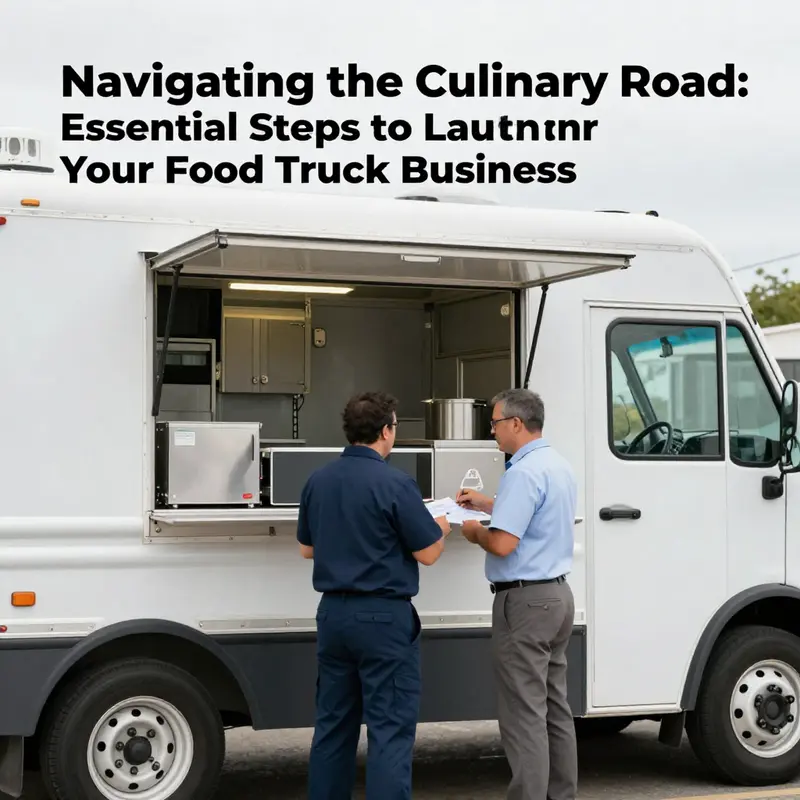
Getting to a clean, compliant state begins with understanding who enforces these standards and how they are checked. Local health departments are typically responsible for inspections, with state or federal agencies providing broader guidance and support. A typical path includes plan reviews before a single piece of equipment is installed, followed by on-site inspections once the truck is operational. The plan review is your opportunity to demonstrate the layout, equipment list, and sanitation practices you intend to use. The subsequent inspections assess whether your actual practices match the approved plan. Successful inspections do more than grant permission to operate; they establish your credibility with customers and event organizers who want assurance that you take safety seriously.
To translate these requirements into everyday practice, many operators treat the truck as a compact but complete system. The layout should reflect the path of food from storage to preparation to cooking to service, with the least amount of backtracking that could create contamination risk. Your equipment choices matter, but so do your record-keeping habits. Maintaining logs for temperature checks, equipment sanitation, and handwashing compliance is not merely bureaucratic. It provides a reliable trace of your practices should questions arise during an inspection or in the rare case of a food safety concern. In periods of high demand or in cooler climates where ambient conditions can challenge holding temps, these records become especially valuable as proof of consistent operation.
Education and ongoing diligence are essential as you navigate the regulatory landscape. Since health codes evolve, you should stay current with updates to national guidelines and local amendments. The FDA’s Food Code is the national model used by many jurisdictions to shape local ordinances and inspection expectations. It compiles best practices across storage, preparation, cooking, cooling, serving temperatures, sanitation, and employee health requirements, and it is updated periodically to reflect new science. Keeping a copy of the latest code, or at least the summaries most relevant to mobile operations, helps you align your SOPs with current expectations and demonstrates a proactive commitment to guest safety. You can access the current FDA Food Code on the agency’s official website, which serves as a reliable reference point for operators aiming to understand national safety standards and how they translate into local inspections.
For operators, the practical takeaway is clear: health and safety are not a box to check but a daily practice embedded in the truck’s design, its team’s habits, and its interaction with customers. The safest and most resilient food truck is built around hygiene, temperature discipline, and accessible sanitation. Invest in a layout that minimizes cross-contact, choose equipment that maintains consistent temperatures, and implement straightforward SOPs that staff can follow even on their busiest days. Train your team not just on what the rules are, but why they exist. When your crew understands the logic behind temperature controls, handwashing, and waste management, compliance becomes a natural outcome of routine rather than a chore.
As you prepare to open or expand your food truck operation, view health and safety as a foundational investment—one that pays dividends in better product quality, fewer disruptions, and stronger customer trust. The permits and licenses that accompany this path are not obstacles but milestones that validate your commitment to safety and quality. In the chapters that follow, you’ll see how health and safety integrate with business licenses, street vending permissions, vehicle registrations, and tax considerations. The road to a compliant, thriving mobile kitchen is paved with clear procedures, diligent practice, and a willingness to update practices as new guidance emerges. And while the specifics may vary by city or county, the underlying logic remains steady: protect public health, respect your customers, and run your operation with the same care you would give to a kitchen in a brick-and-mortar setting.
External reference for deeper understanding: FDA Food Code: https://www.fda.gov/food/fda-food-code
Counting Every Mile: Financial Foundations for a Successful Food Truck
Financial foundations for a successful food truck
When you plan a food truck, the numbers must work as well as the menu. Profitability depends on controlling direct costs, squeezing efficiency from labor and routes, and building a realistic financial plan that survives slow days and weather-driven swings. This chapter walks through the financial levers that make a food truck viable. It blends operational metrics with practical budgeting and planning steps you can use to design routes, price items, and measure progress.
Prime cost sits at the center of every food service operation. Prime cost is the sum of food cost and labor cost. Keep that combined figure under 65% of total revenue to preserve healthy margins. If prime cost creeps above this threshold, you will struggle to cover rent for commissary space, truck maintenance, marketing, and insurance. Gross margin—the revenue left after food and labor—should be above 55% where possible. Think of prime cost targets as a guardrail: they shape menu design, portion control, and staffing models.
Menu engineering is the frontline tool for managing food cost. Price items based on ingredient costs, portion sizes, and perceived customer value. Use recipes with precise portioning and waste rules. Replace expensive ingredients with cost-effective alternatives when margins shrink. Rotate high-cost specials into limited-time offers, so they boost revenue without eroding average prime cost. Track food cost daily, not monthly. Frequent checks quickly reveal waste, theft, or recipe drift.
Labor efficiency is the second major lever. Measure labor productivity by hours per $1,000 in sales. Aim to keep labor under 2.5 hours for every $1,000 in revenue. This metric clarifies whether your team size and shift lengths match sales volume. Cross-train staff so one person can run the register and prep without slowing service. Use staggered shifts to match labor to customer peaks. Avoid overstaffing slow shifts; overstaffing is a fast way to erode margins.
Revenue per route hour ties time to money. Each hour on the road incurs fuel, wear, and opportunity cost. Establish a target revenue per route hour—commonly $400–$500—to justify routes and events. Calculate this by dividing sales from a given route by the hours spent. Routes that fail to meet the target deserve scrutiny: can you reposition the truck, shorten the route, or add a catering stop? Use event partnerships and recurring contracts to increase average sales per hour.
Startup costs require cold, accurate estimates. These include buying or leasing the truck, building the kitchen, installing equipment, and securing permits. Add initial inventory, uniform and training costs, branding and point-of-sale systems, and a small marketing budget for launch. Don’t forget an emergency cash reserve equivalent to several weeks of operating expenses. Many first-time operators underbudget for repairs and unexpected permit fees.
Ongoing operating expenses fall into predictable categories: fuel, vehicle maintenance, commissary fees, insurance, utilities, cleaning supplies, and permit renewals. Track these monthly and allocate them per route when possible. Fuel and maintenance can vary widely by route type and driving pattern. Budget conservatively for these items and build a maintenance schedule to avoid costly breakdowns. Insurance is non-negotiable; commercial policies protect against liability, property loss, and employee injuries.
Cash flow management is the practical discipline that keeps the truck on the road. Food trucks can have high daily cash turnover but unpredictable weekly patterns. Forecast at a weekly cadence to match payroll and supplier invoices. Offer payment methods that speed collections and reduce cash handling risk. When margins are tight, prioritize paying suppliers on time to preserve credit lines and avoid late fees. Establish bank accounts that separate payroll and operating funds. Automate recurring bills where possible to avoid missed payments.
Forecasts and break-even analysis convert expectations into targets. Build conservative sales scenarios: best case, expected case, and worst case. Include seasonality and local events. Calculate the break-even point in units sold and sales per day. Use that figure to set minimum daily goals. If break-even requires revenue levels you cannot realistically reach, revisit operating hours, menu prices, or staffing plans.
Financing decisions shape the early life of the business. Compare financing options for vehicle purchase, build-out, and working capital. Loans increase fixed monthly costs but preserve ownership. Leasing lowers upfront cost but often increases long-term expense. Consider short-term lines of credit as a buffer for inventory and payroll. Keep loan payments within predictable limits so they don’t overwhelm cash flow. Maintain a rolling 13-week cash forecast when you take on debt.
Key performance indicators keep you honest. Track prime cost, gross margin, labor hours per $1,000 in sales, and revenue per route hour. Add daily sales, average ticket size, and food waste percentage. Review KPIs weekly and adjust quickly. Small changes in price, portioning, or staffing compound over time and can rescue a struggling month.
Pricing strategy must balance cost recovery and local willingness to pay. Match price points to customer expectations and perceived value. Offer bundles that nudge higher average tickets. Test price lifts in small steps and measure elasticity. If demand softens after a price increase, adjust quickly. Consider weekday specials or loyalty incentives to smooth revenue across slow days.
Operational planning ties financial goals to daily actions. Schedule routes by historical performance. Move away from fixed schedules that don’t produce revenue. Use event calendars and partnerships to lock in high-yield dates. Track parking agreements and permit windows so you never lose a lucrative location to a compliance oversight.
Monitoring and course correction are essential. Review financials weekly and monthly. Conduct a monthly review of prime cost components and labor distribution. When a KPI drifts, diagnose quickly—often the cause is a small operational change. Fix the recipe, adjust staff levels, or swap routes before the problem compounds. Small, consistent improvements in waste reduction and labor efficiency often provide more profit than chasing new revenue.
Staff investment pays off. Training lowers mistakes, speeds service, and reduces waste. Retention reduces hiring and onboarding costs. Think of staffing as an investment, not just an expense. For guidance on building effective team and fleet practices, see this thoughtful piece on transforming fleet management and investing in human capital: https://titanbusinesstrucks.com/transforming-fleet-management-the-case-for-investing-in-human-capital/.
Finally, use external templates and resources to validate assumptions. A detailed financial plan helps you model scenarios, price correctly, and set staffing levels. For a step-by-step approach to building a complete financial model for a food truck, consult this resource: https://www.growexa.com/blog/food-truck-financial-plan.
By keeping prime cost under control, optimizing labor, and measuring route profitability, you create a resilient business. The numbers will tell you whether a menu item, route, or staffing model is working. Listen closely. Adjust often. The result is a food truck that feeds customers and finances alike.
Designing Your Mobile Kitchen: Choosing the Right Truck and Equipment for Your Menu
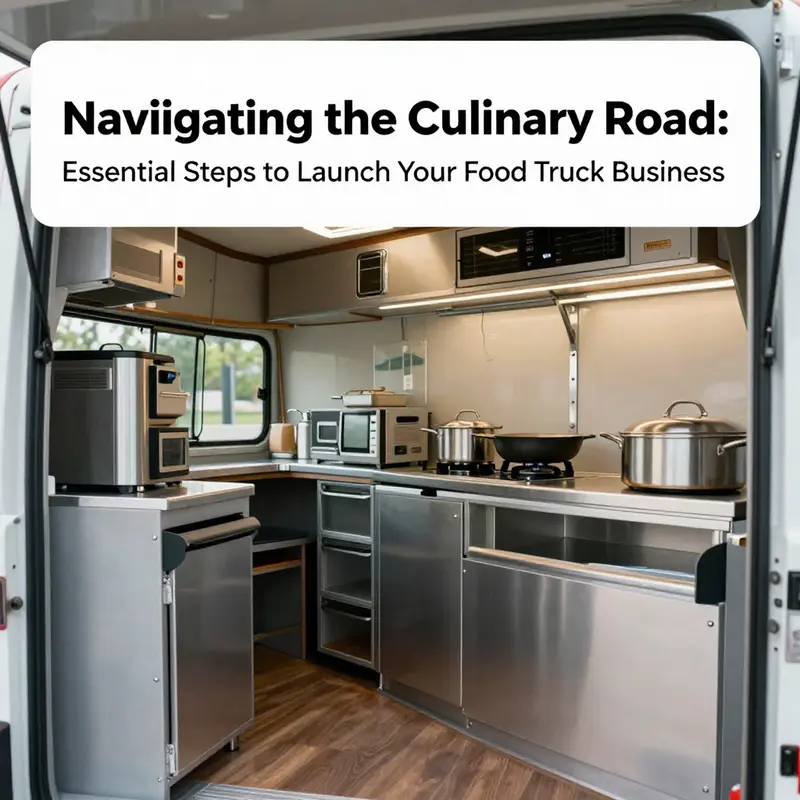
When you decide what food to serve, every choice about the truck and equipment flows from that decision. A menu that centers on grilled sandwiches, for example, needs different power, ventilation, and storage than a dessert-focused cart. Think of the truck as a small restaurant on wheels. It must support the menu, the staff, and the operating patterns you expect. Begin by imagining a busy service period. Visualize where the cook will stand, how ingredients move from storage to prep to service, and where dirty dishes will go. That single mental run-through will reveal the space, equipment, and utility demands that matter most.
Size and layout matter more than aesthetics. Smaller trucks are cheaper to buy and park, and they lower fuel and maintenance costs. But tight quarters can slow service and limit menu complexity. Larger units provide workspace and storage but cost more and may face parking restrictions. Choose a length and chassis that balance mobility with function. The interior layout should reduce steps and reach time. Position hot equipment together to simplify gas and electrical runs, while placing cold storage nearby to speed assembly. A linear layout works well for one or two operators. A split layout, with prep in the middle and cooking at one end, suits larger crews. Pay attention to door and window placement for service lines and ventilation.
Equipment selection must be driven by the menu, but quality and compliance cannot be afterthoughts. Invest in commercial-grade appliances built for heavy use. Stainless steel surfaces resist corrosion and make cleaning faster. Refrigeration capacity should match peak demand, not just average needs. Undercounter units save space for small trucks. If your menu relies on frying, install a commercial fryer with appropriate fire suppression and a ventilation hood. Ovens, griddles, steamers, and warming cabinets each have unique utility and power footprints. Confirm gas and electrical needs early; high-draw items like combi ovens may require special generators or shore power. Prioritize equipment certified to local safety standards to streamline permitting and inspections.
Utilities are the invisible backbone of a food truck. Plumbing, electrical, and gas systems must be designed for continuous use and regulatory approval. Water tanks need capacity for handwashing, food prep, and cleanup, with hot water on demand. Wastewater tanks must be sized for a full service day or compliant disposal plans must be in place. For electricity, decide whether you will use onboard generators, batteries with inverters, or rely on external hookups at events. Generators add fuel and maintenance costs. Battery systems reduce noise and emissions but require substantial upfront investment. Gas systems must be installed with safety valves and ventilation, and certified by a licensed technician.
Ventilation and fire suppression address safety and legal compliance. A proper hood system captures steam, smoke, and grease. It must match the output of your cookline and include filters that are easy to clean. Fire suppression systems designed for mobile kitchens are mandatory in many jurisdictions. They integrate with cooking equipment and must be tested and serviced regularly. Planning these systems early avoids costly retrofits and ensures health inspectors sign off on your build.
Storage and waste management are often overlooked until day three of operations, when the reality of inventory hits. Design storage for rotation, accessibility, and sanitation. Dry storage should be off the floor and sheltered from heat. Refrigerated storage must accommodate the most perishable items with room for expansion. Trash and grease bins need secure, ventilated areas and easy removal paths. Consider separate containers for recycling and food waste if local rules require them. Efficient storage reduces spoilage and streamlines prep, directly improving margins.
Mobility and compliance influence platform choices. Many food trucks are conversions of existing vehicles while others are custom builds on new chassis. Each approach has pros and cons. Conversions can be cheaper and quicker. Custom builds allow precise specification of equipment, ergonomics, and branding. Check weight limits and axle ratings so your vehicle can safely carry equipment and supplies. Confirm that your chosen chassis meets local vehicle registration and roadworthiness standards. If you plan to park in tight urban settings, double-check turning radius and access dimensions.
Customization affects branding and daily operations. Exterior design is your primary marketing tool. A memorable wrap or paint job draws customers and helps differentiate your brand. Inside, ergonomic details like rounded corners, slip-resistant flooring, and rounded shelving speed service and reduce injuries. Modular equipment solutions allow you to reconfigure the interior if the menu evolves. Consider install points for removable equipment so you can upgrade without a full rebuild.
Budgeting must include more than the sticker price. Purchase or build costs are only the start. Factor in permits, insurance, commercial vehicle registration, and inspections. Add fuel, generator maintenance, regular deep-cleaning of HVAC and hood systems, and periodic appliance servicing. If buying used, budget for potential retrofits to meet health codes. If ordering a custom build, plan for lead times and deposits. A contingency fund equal to at least 10 to 15 percent of project costs helps cover surprises.
Deciding between new and used, or between a conversion and a purpose-built unit, comes down to risk tolerance and timelines. New, custom builds reduce the risk of hidden problems and often come with warranties, but they require time. Used trucks reduce capital needs and can get you to market faster, but they may need upgrades to pass inspections. When inspecting a used unit, pay attention to rust, water damage, and the condition of gas and electrical systems. Request maintenance records and, if possible, consult a technician who understands mobile kitchens.
Testing and iteration speed a truck’s path from shiny idea to operating business. Before committing to a full build, prototype your workflows. Use a rented prep kitchen or mock-up to test station placement, equipment reach, and service ergonomics. Run a simulated rush hour to spot bottlenecks. Early testing minimizes costly post-build changes and reduces the chance of failing health inspections.
Supplier relationships matter for both the build and ongoing operations. A reliable fabricator can advise on layout and compliance; a good equipment supplier offers warranties and timely spare parts. Negotiate installation, training, and post-sale support into contracts when possible. Lead times for custom stainless work and ordered appliances can stretch weeks, so schedule builds around supplier availability to avoid delays.
Finally, think about resale and scalability. Choose equipment that holds value and a truck platform that is widely serviceable. If you plan a fleet in the future, standardize equipment across units to simplify training, maintenance, and spare parts inventory.
If you want to explore options for compact, lightweight truck modules and toppers to enhance mobility and branding, review lightweight truck topper options for ideas and quick solutions. For a concrete example of a fully equipped trailer as a starting point, see this sample listing: https://www.alibaba.com/product-detail/High-Quality-Food-Trailer-Ice-Cream-Food-Cart_1600029757225.html
From Permits to Palates: Marketing Your Food Truck for Local Impact
Your first step is to establish a recognizable online presence that works as hard as your grill. A professional website acts as your home base, a place where curious locals can learn about your current location, hours, and the story behind your truck. It should be lean, fast, and mobile-optimized, because most users will search from their phones during a commute or a lunch break. The homepage should lead visitors to find your schedule at a glance, a menu that travels well in photos, and a brief narrative about why your truck exists. The narrative can be a few sentences about sourcing, cooking philosophy, or a commitment to the community. In this way, your online hub becomes more than a menu; it is a promise of experience that customers can anticipate with every visit. Your social media channels then carry that promise forward. Platforms like Instagram, Facebook, and TikTok are not mere channels for posting menus; they are stages for storytelling. Use them to showcase the artistry of each dish, the rhythm of your daily setup, and the personalities behind the counter. Behind-the-scenes glimpses, fast cuts of sizzling pans, and close-ups of vibrant ingredients create a sense of presence that static photos cannot. People connect with people, and when your crew shares moments of teamwork, jokes, or a quick lesson in flame control, you invite your audience to invest in your brand emotionally as well as financially. You can craft a recurring rhythm—location updates on Monday, a peek at a new special on Wednesday, a community feature on Friday—that gives followers something to expect and look forward to. Engagement is critical: respond to comments, answer questions in DMs, and acknowledge feedback with gratitude. Small, timely replies build a sense of community and loyalty that is worth more than a one-off sale on a busy day. Location-based hashtags and geotags help you appear in local searches, turning social chatter into foot traffic.
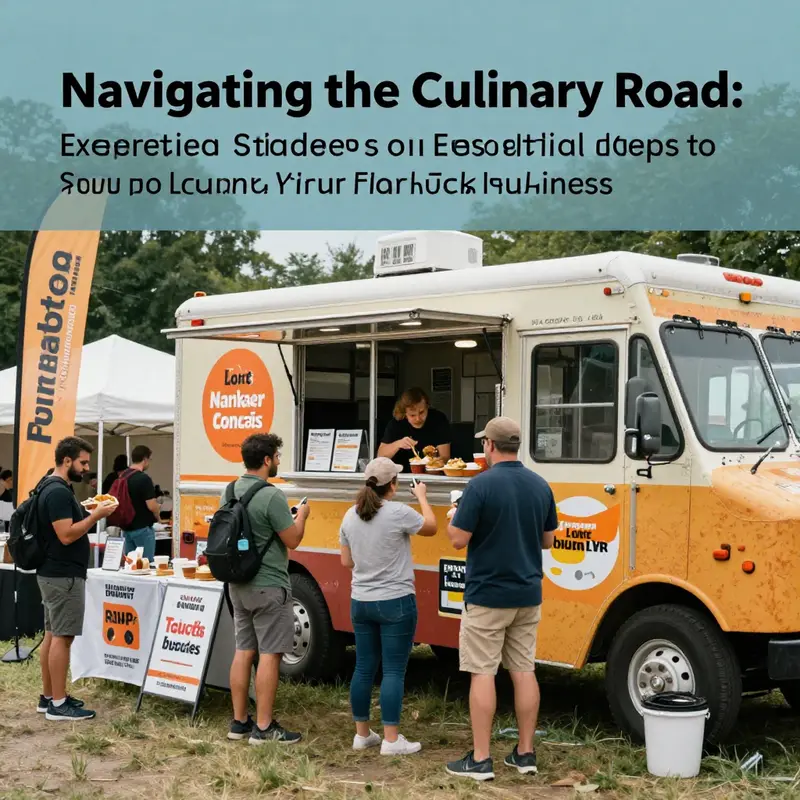
Marketing for a food truck also thrives on partnerships and visibility beyond the online realm. Collaborating with local businesses can unlock cross-promotion opportunities that benefit everyone. A simple exchange—show a partner’s receipt and receive a percentage off a future purchase, or host a joint event where customers sample both offerings—creates a bridge between audiences that might not otherwise collide. Events are natural venues for a food truck. Weddings, corporate gatherings, festivals, and farmers’ markets broaden your reach while aligning you with communities that appreciate the mobile dining experience. Food truck rallies and pop-up events offer networking opportunities with other vendors and potential customers who are eager to discover new flavors. The energy of a well-curated event can elevate your brand as much as a single viral post. This is not merely about showing up; it is about designing an experience that resonates with attendees long after they have left the line. You want your truck to be memorable for the aroma, the service, and the story you tell through every interaction. Consider creating a distinctive pre-set ritual at these events—an opening chant, a signature plating style, or a quick interaction that invites guests to share their impressions on social media. When people feel connected, they become ambassadors, posting their own photos and tagging your location, which amplifies your reach with little cost.
A successful marketing program also relies on loyalty and value. A well-structured loyalty program rewards repeat customers and turns casual visitors into regulars. A simple punch card, or a digital equivalent, can be a powerful incentive to return for a favorite dish or a new seasonal item. Limited-time specials create urgency; a rotating menu keeps appetites curious and conversations ongoing. Email marketing, when done respectfully, complements social and in-person efforts. A sign-up prompt at every interaction—via QR codes on receipts, a simple online form, or a tablet station at your setup—lets you nurture a direct line to customers. Share upcoming locations, exclusive offers, and early access to new items. The strength of this approach lies in relevance and timing: a customer who felt valued in a single purchase is more likely to become a advocate when you offer something specifically tailored to their interests.
As you implement these strategies, bear in mind that your marketing should be a mirror of your business’s values and the environment in which you operate. The food truck world thrives on community, speed, and accessibility. Quick, authentic stories about where your ingredients come from, and who brings them to your kitchen, can deepen trust with your audience. You can weave a thread through your content that highlights local suppliers, neighborhood features, or events you support. In doing so, your brand becomes a local fixture rather than a moving advertisement. It is here that a thoughtful note about community impact matters. For a broader perspective on how trucks can engage in charitable or community-led initiatives, see trucks-for-change-community-supporting-vulnerable-communities. This link is not just a nod to corporate social responsibility; it is a reminder that the food you serve carries social resonance in the neighborhoods you serve. The more your marketing centers on community relevance, the more likely people will choose your truck when they map their day around a meal.
Marketing also has to be agile and data-informed. Track where your customers are coming from and which messages translate into visits. If a post featuring a vibrant jalapeño popper drives more engagement than a post about a daily special, consider using that style more broadly while keeping your core offerings intact. If you notice that a certain time of day correlates with increased foot traffic at a particular stop, adjust your location schedule to maximize those peak moments. The goal is not to chase every trend but to cultivate a consistent, dependable presence that aligns with your operational realities. A clear, repeatable process makes it easier to onboard new staff with confidence, ensuring that every member of your crew communicates your story with the same warmth and clarity.
In practice, the strongest marketing plan for a food truck balances online activity with on-the-ground presence. Consistent branding across your vehicle design, menu presentation, and digital channels creates recognition that travels with you. Your menu should tell a story at a glance; your truck’s exterior should invite curious passersby to explore. Every piece of content, from a caption to a storefront-like setup at a festival, should reflect a coherent identity. When customers recognize that identity, they trust that every bite will deliver a similar level of care and flavor. The marketing journey, therefore, starts with you and the team you assemble. It continues through the stories you tell, the relationships you nurture with local businesses, and the experiences you curate at events. The returns come as more repeat visits, stronger word-of-mouth, and a growing sense that your food truck is an essential part of the community fabric.
In this sense, marketing is not a separate activity but an integral element of your opening strategy. It shapes where you go, how you prepare, and why someone should invest their time and money in your offerings. It is a plan that flexes with the seasons, the weather, and the evolving tastes of your city. It is, in short, the mechanism by which a well-permitted food truck becomes a beloved local favorite. As you continue to refine your concept and build your operational routines, keep testing ideas, listening to feedback, and aligning every action with the story you intend to tell. Your marketing will mature with your business—and your customers will help you tell it loud and clear.
External resource: https://www.sba.gov/business-guide/plan-your-business/marketing-your-business
Final thoughts
Successfully opening a food truck business demands a careful approach and thorough understanding of both regulatory requirements and market dynamics. By securing necessary permits, adhering to health and safety regulations, managing financial investments wisely, selecting suitable equipment, and employing effective marketing strategies, entrepreneurs can position their food truck venture for success. The insight provided throughout this guide serves as a roadmap to navigate the complexities involved and to ensure a smooth launch to delight consumers with culinary offerings.