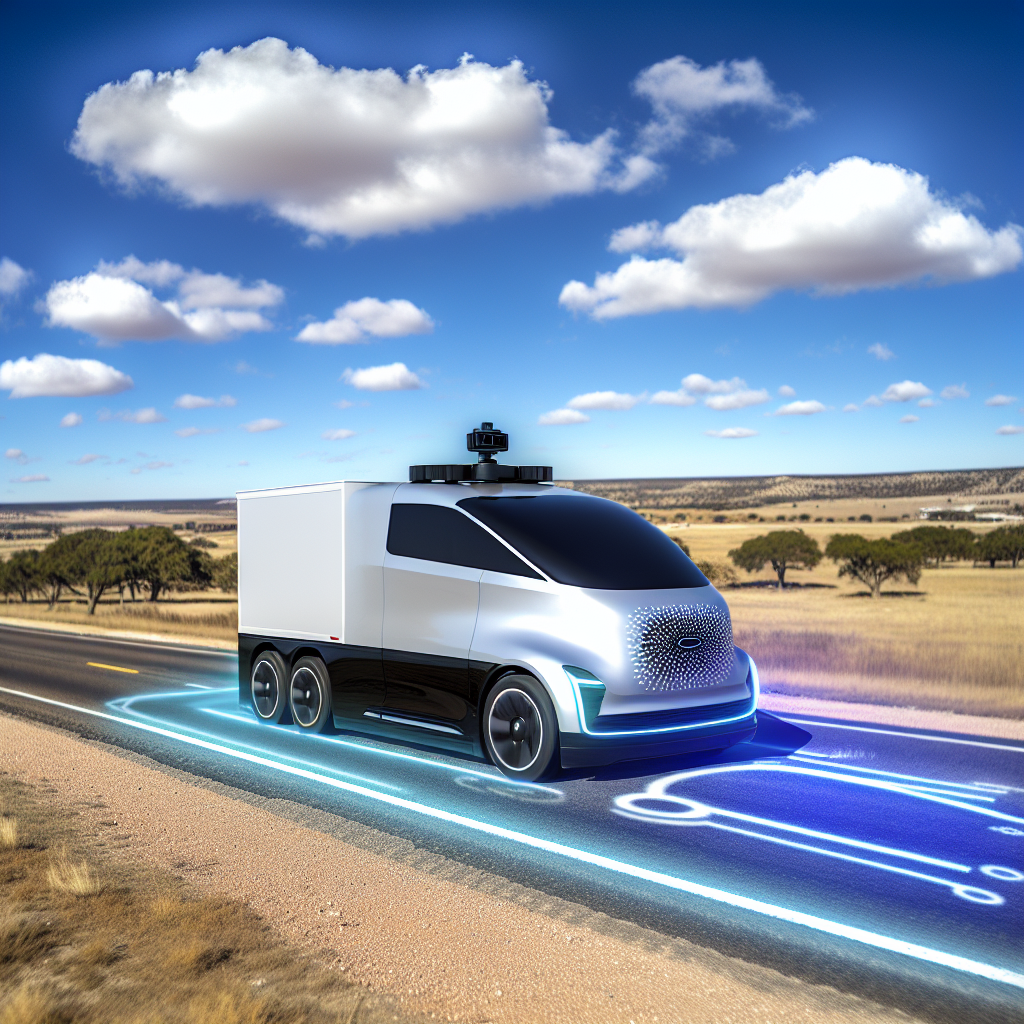
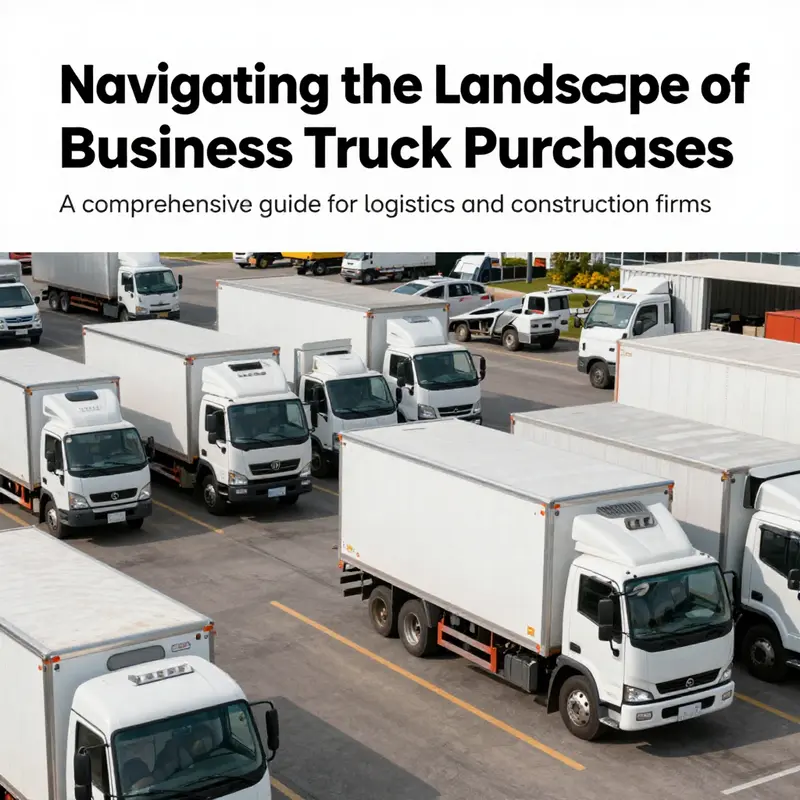
Acquiring the right business truck is paramount for firms engaged in logistics, construction, and fleet management. This process involves recognizing the diverse resources available to address specific operational needs, whether for transportation, delivery, or construction projects. As we delve into strategic avenues such as national platforms, vehicle trading parks, regional dealerships, and the growing demand for electric and specialized trucks, each chapter provides insights tailored to enhance your purchasing experience. By understanding these varied options, companies can make informed decisions that align with their operational goals and financial parameters.
From Listings to Delivery: Mastering National Platforms for Buying a Business Truck
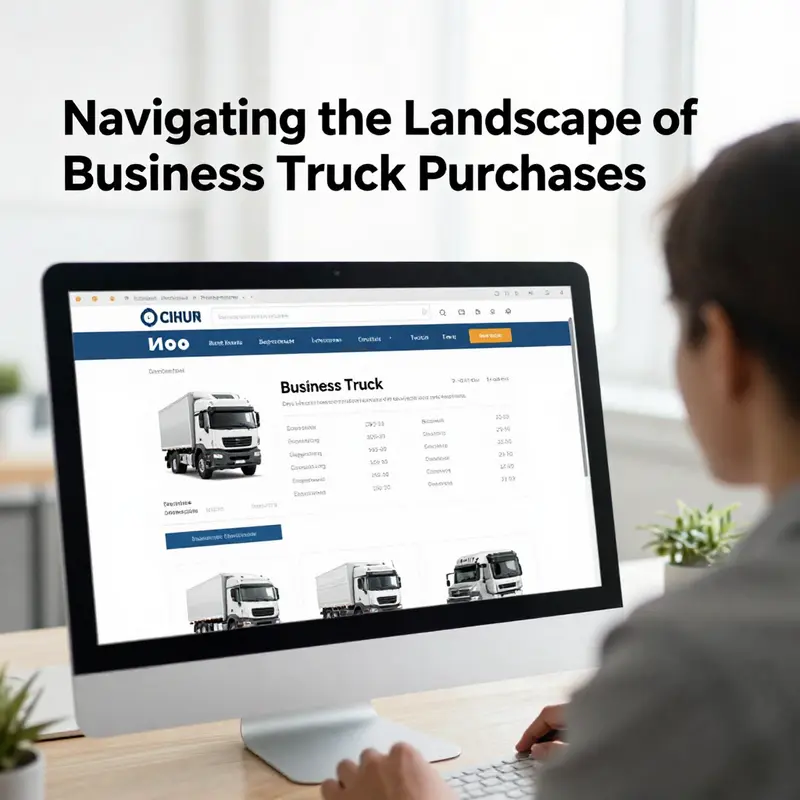
Buying a business truck through national platforms is less about chasing a single deal and more about orchestrating a reliable, transparent path from research to delivery. When a company sets out to equip its fleet, the choice of procurement channel can shave weeks off the process and reduce a mess of downstream headaches. National platforms consolidate inventory across regions, align with authorized dealers, and present buyers with a clearer view of what is available, at what price, and with what terms. The value lies not merely in breadth but in the structure of the platform itself: robust search filters, current promotions, verified dealer networks, and access to aftercare that extends beyond the moment of sale. In practice, this means a buyer can compare a broad mix of vehicle configurations—cargo capacity, drive type, fuel or electric powertrains, and specialty applications—while also weighing service plans, financing options, and any regional incentives. The result is a more confident decision, a shorter cycle time, and a lower risk of ending up with a truck that does not align with real-world operations.
To begin, consider national platforms as a central nerve system for fleet procurement. These platforms shine when a business needs scale. A single search can illuminate dozens of brands and hundreds of configurations, enabling a buyer to map preferences against live stock in real time. The beauty of this approach is that it democratizes access to information. A company in a province with fewer local dealers can still browse an expansive catalog and compare terms as if it were shopping in a major urban market. Yet scale alone isn’t enough. The most effective platforms pair breadth with depth: they maintain updated listings, show current promotional offers, and provide direct channels to authorized dealers who can confirm stock status, arrange demonstrations, and discuss financing or insurance options on the spot. This combination—comprehensive listings plus an instant line to reputable sellers—transforms procurement from a hurdle into a streamlined workflow.
What buyers should seek within these national platforms goes beyond price tags. A well-functioning platform presents model variants that meet real operating needs: payload capacity for specific routes, gross vehicle weight ratings aligned to legality, engine configurations that balance torque with fuel economy, and, increasingly, electric or hybrid alternatives for fleets aiming to reduce emissions. The emphasis on configuration is crucial. It is not enough to know a truck exists; you must know it fits the job. A platform that supports side-by-side comparisons lets a fleet manager line up options by tonnage, wheelbase, cab type, and drivetrain. It also supports practical concern areas such as available service networks, parts accessibility, and the ease of obtaining maintenance work in a given region. The result is a clearer picture of total cost of ownership, which includes depreciation, insurance, maintenance, and the residual value of the vehicle when the rental agreement or ownership period ends.
One of the defining advantages of national platforms is the potential for one-stop service. When a vehicle park or a broad dealership network operates under a national platform umbrella, you often gain access to a bundle of services that otherwise require coordinating multiple vendors. Vehicle inspection scheduling, vehicle registration, insurance arrangements, financing options, and tax handling can be bundled into a single streamlined process. This integration reduces the coordination burden on fleet managers and can also unlock more favorable terms, thanks to the platform’s scale. It also helps mitigate the risk of miscommunication that sometimes occurs when orders pass through several independent sellers. In practical terms, a platform can enable a stream of touchpoints—from initial inquiry to a test drive and then to formal procurement—without forcing the buyer to repeat basic information or re-verify credentials at each step.
Of course, national platforms do not replace the value of engaging with regional or brand-specific dealers. They complement it. A regional dealer may provide deeper knowledge about local road conditions, regulatory requirements, and the scheduling realities of service centers, while a platform greedily expands the set of options and helps you see how a local deal compares with others across the country. For buyers who prefer a hands-on evaluation, the platform acts as the audition stage. It surfaces vehicles you can test drive, negotiates terms, and then hands you into the care of a dealer who can physically guide you through warranty coverage, maintenance programs, and the logistics of delivery. In many instances, the platform’s role ends with hands-off aftercare, but the best platforms are prepared to shepherd the entire experience—from the initial search to the moment the keys are handed over and the fleet begins to roll.
The practical steps for leveraging national platforms begin with clarity about your operational needs. Before you even browse, map out the day-to-day realities of the fleet. What are your typical routes? What payloads do you move, and how often do you require heavy lifting, long-range capability, or rapid load/unload cycles? Do you foresee a shift toward electric solutions, or do you require specialized configurations such as refrigerated bodies or platform bodies for heavy loads? This upfront scoping helps you filter the listings effectively and prevents the trap of chasing an attractive deal that doesn’t solve the core problem. It’s equally important to define non-negotiables: service coverage in your operating region, the availability of genuine parts, the lender’s requirements for fleet financing, and the terms that govern returns or trade-ins. A strong platform supports these decisions by offering clear filters, transparent pricing, and accessible warranty terms so that you can quantify risk alongside reward.
Another critical consideration is the credibility of listings. Platforms differ in how they vet the vehicles that appear on their site, and the risk of misrepresentation can be higher in marketplaces that emphasize speed over accuracy. A discerning buyer should favor platforms that display verified stock, provide clear vehicle histories where applicable, and offer direct channels to authorized dealers who can stand behind what they sell. The ability to schedule a test drive through the platform is a reliable signal of legitimacy. A well-designed platform will also present real-time stock checks, price adjustments tied to promotional periods, and a straightforward path to confirm ownership transfer, registration, and financing once you decide to proceed. In short, you want certainty about what you are buying and a reliable means to complete the transaction without bargaining on essential protections.
For readers who are curious about how cross-border dynamics influence national platform purchases, there is value in expanding the lens beyond any single market. National platforms often host dealers and fleets that recruit across regional lines, creating opportunities to compare terms that cross provincial or state boundaries. This complexity invites a bite-sized, practical discipline: understand the regulatory envelope in your region, verify registration requirements, and consider how a platform can coordinate with a local dealer to ensure your truck can operate legally in your jurisdiction without delays. A useful resource for navigating these cross-border challenges is a focused industry briefing that distills insights from trade associations and market meetings. See the accompanying discussion on navigational considerations for cross-border operations and the key takeaways from industry meetings. Navigating cross-border challenges: Key insights from the TCA annual meeting.
When you are ready to move from virtual listings to a tangible vehicle, a national platform can also help you compare delivery timelines and logistics. Delivery windows vary by region, inventory, and the dealer’s preparation schedule. The platform’s role here is not to override the logistics but to illuminate feasible timelines and to connect you with the right person who can manage the transfer, coordinate registration, and align the paperwork with local compliance standards. The smoother the interface between the platform and the dealer network, the quicker you can move from approval to actual delivery. In turn, this reduces downtime for your business and ensures your operations stay on schedule. The best experiences come when you pair the platform’s transparency with a local dealer’s hands-on capabilities, so you have access to in-person inspections, a test drive, and a comprehensive aftercare plan.
As you refine your approach, keep in mind that national platforms are most powerful when used as part of a broader procurement strategy. They are not simply catalogs; they are decision-support engines that synthesize inventory, pricing, regional promotions, and service commitments into a coherent buying pathway. To maximize value, use the platform to assemble a short list of candidates that meet your essential criteria, then escalate to a direct conversation with authorized dealers to confirm current stock, test-drive arrangements, and financing terms. You should also request a written breakdown of total ownership costs, including anticipated maintenance, insurance, taxes, and potential rebates or incentives. With this level of clarity, you can compare apples to apples rather than chasing a fluctuating price tag that may not reflect real costs over the vehicle’s lifetime.
Ultimately, national platforms transform a potentially fragmented process into a disciplined, data-informed journey. They empower fleet managers to evaluate a wider array of options, align them with operational realities, and secure favorable terms through the leverage of scale. They also create a transparent marketplace where the risk of hidden fees or misleading stock reports is reduced through standardized disclosures and verified dealer participation. For buyers, this translates into greater confidence in the investment and a clearer path to delivery. The next step is to apply this disciplined approach to your own procurement plan, balancing platform exploration with targeted outreach to regional dealers and to the broader ecosystem that supports vehicle ownership—from insurance to maintenance partnerships. The result is a procurement workflow that feels less like guesswork and more like strategic asset management that can sustain your business in the years ahead.
External resource: https://www.trucktrader.com
Trading Parks as Hubs of Choice: Streamlining Your Business Truck Purchases
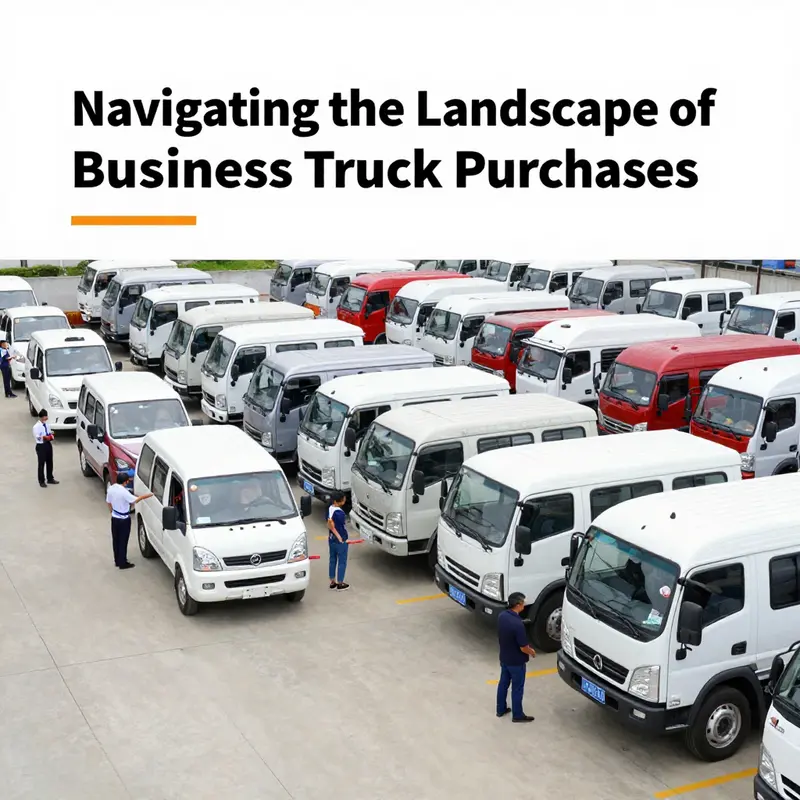
When a business needs reliable, heavy-duty transport, the procurement path matters as much as the vehicle itself. A truck is a long-term asset, and its cost of acquisition comes with long tails of maintenance, financing, insurance, and downtime. In this context, vehicle trading parks emerge as practical catalysts for business buyers. They consolidate multiple dealers, services, and financing options under one roof, turning what could be a scattered, time-consuming pursuit into a coordinated procurement journey. In markets where fleets operate on tight schedules and thin margins, the park model offers a way to narrow the decision set, evaluate total cost of ownership, and move from inquiry to delivery with speed and clarity. The essence of this approach is not simply choosing a truck; it is designing a purchasing process that aligns with operational realities and cash-flow constraints.
The core concept of a vehicle trading park is straightforward: a centralized venue where a wide range of brands and configurations are available side by side, alongside on-site services that fleets need to keep moving. Within these parks, you find more than rows of vehicles. There are on-site sales staff trained to understand commercial use, vehicle inspectors who can assess pre-owned units, and financing desks that can tailor repayment terms to a fleet’s lifecycle. For a business, this combination reduces the friction of shopping—no longer must a procurement team hop from city to city, negotiating with separate retailers, arranging temporary storage, or coordinating disparate service contracts. Instead, you step into a single space where you can perform a practical audit of vehicles, test-drive candidates, and receive integrated quotes. The intention is clear: to shorten lead times without sacrificing due diligence, ensuring that every option considered within the park is a viable fit for a company’s route structure, load profile, and operating geography.
What makes this model particularly compelling for business buyers is the breadth of options within one ecosystem. A park can host a spectrum of trucks tailored to different mission profiles—long-haul tractors designed for extended miles, regional and local delivery rigs optimized for frequent starts and stops, and specialized configurations sorted by cargo type. This variety is not merely about brand names or model numbers. It translates into the ability to compare total cost of ownership across a mix of units, evaluate maintenance packages aligned with predicted mileage, and test compatibility with chosen telematics, pallets, or load systems. Importantly, the presence of on-site technicians and service bays means a fleet can schedule pre-delivery inspections and ongoing maintenance under a single plan, simplifying what would otherwise be a fragmented after-sales experience.
For operators weighing new versus pre-owned stock, the park environment can illuminate contrasts that a catalog or showroom cannot. New units come with factory warranties and the assurance of the latest safety and efficiency standards. Pre-owned stock, when vetted on-site by experienced inspectors, presents an attractive option for fleets seeking rapid scaling or cost containment, provided there is a transparent history, documented service records, and a clear warranty framework or certified pre-owned program. The park setting often enables live, negotiated trade-ins where a company can realize cash value for aging fleet assets in exchange for new or late-model replacements, smoothing liquidity and preserving capital for higher-priority investments. This dynamic is particularly relevant for fleets embarking on regular refresh cycles, where staggered upgrades can avoid large capital spikes while maintaining uptime and reliability across the fleet.
Beyond the inventory itself, the integrated services at a trading park create a holistic procurement experience. Financing offices within the same complex can tailor repayment schedules to a fleet’s revenue cycles, taking into account depreciation, tax incentives, and the anticipated resale value of trade-ins. Insurance partners can discuss coverage options in the context of the actual vehicles being considered, helping to lock in premiums and streamline the underwriting process. Registration and tax procedures, which can vary across jurisdictions, can be coordinated in a single visit, reducing bureaucratic friction and letting operators focus on the essential work of route planning and driver scheduling. This end-to-end convenience has a twofold benefit: it shortens the time from decision to deployment and it can reveal total cost savings that are not obvious when dealing with isolated sellers or disparate service providers.
The practical impact of this setup shows up most clearly in day-to-day operations. When a fleet manager walks into a park, they can begin with a high-level requirement brief—the expected annual mileage, typical load, and preferred vehicle type—and then move quickly to side-by-side comparisons. A certified sales consultant can translate those needs into a handful of representative configurations, while a vehicle inspector evaluates on-site condition for any pre-owned possibilities. Test drives are not ceremonial; they are structured demonstrations that mimic the fleet’s real usage—accelerating from stop to highway speed, negotiating hills if the route profile demands it, and testing braking performance with typical loads. For many buyers, the hands-on experience in a park is the fastest path to confidence, enabling them to separate gas-guzzling estimates from reliable, fuel-efficient choices grounded in actual performance expectations.
With the right mindset, a visiting team can turn a single afternoon into a comprehensive procurement assessment. They can request a portfolio of quotes from several dealers who share the same park footprint, facilitating apples-to-apples comparisons that cover sticker price, finance terms, maintenance plans, and residual values. This cross-dealer competition within the same venue often yields favorable pricing and more favorable service packages than would be available if each dealer operated in isolation. A fundamental advantage here is transparency: the park environment tends to produce standardized documentation and consistent terms, so fleets can evaluate options on the merits of total cost of ownership rather than promotional discounts alone. The end result is a purchasing decision anchored in operational fit and financial clarity rather than impressionistic promises.
For businesses considering cross-border or multi-region operations, the park model can accommodate the complexity of a growing fleet. A regional hub may support a mix of domestic and imported configurations, with staff who understand local registration requirements, emissions standards, and warranty arrangements. Even when a park cannot address every regulatory nuance on its own, it can serve as a centralized hub for knowledge gathering and risk assessment. In such cases, a park can partner with policy-informed resources to guide the broader strategy. For those exploring cross-border procurement challenges, see the linked resource that summarizes insights from industry consultations and regulatory discussions: Navigating cross-border challenges—key insights from the TCA annual meeting.
As a business strategy, the park approach also aligns with broader goals around fleet optimization and sustainable practice. The ability to compare configurations that emphasize fuel efficiency, alternative powertrains, and low-emission technologies in a single venue makes it easier to evaluate how a fleet might evolve along the path to modernization. When paired with data-driven fleet management tools, the park experience can yield a more precise understanding of how vehicle choice influences maintenance scheduling, downtime, fuel spend, and asset utilization. The result is not simply a better truck, but a better process for bringing a vehicle into service with minimal disruption and maximum return on investment.
A note on the experience: while the park model offers many advantages, it is not a universal remedy. Buyers should still perform due diligence on the credibility of dealers, the validity of warranties, and the scope of maintenance coverage. They should verify that the on-site inspection protocols are rigorous and that the financing terms do not embed hidden costs that become apparent only after dispatch. The best parks are transparent about mileage, condition, and possible post-sale services, and they provide clear pathways to after-sales support, spare parts availability, and access to certified technicians. In other words, the value of a park lies not only in what it sells but in how it supports the fleet once the vehicle leaves the showroom floor.
From a practical standpoint, a successful park visit begins with preparation. Before arrival, a fleet leader should compile a concise requirement brief: the fleet’s typical routes, payload ranges, required range per tank, and any regulatory considerations related to emissions or weight. A pre-visit checklist can prevent scope creep and ensure the team focuses on vehicles that genuinely meet operational needs. On arrival, the team can request side-by-side demonstrations of similar configurations, not merely the most popular models. The goal is to observe variance in performance, maintenance intervals, and total cost of ownership across a spectrum of options. And while a park makes procurement more efficient, it does not absolve the buyer of responsibility. The same diligence applied to any extensive purchase still applies—data-backed comparisons, reference checks, and a clear plan for implementation and driver training.
In this light, trading parks can be viewed as reliable accelerators for a fleet’s growth and modernization. They do not replace the strategic planning that goes into route design, driver recruitment, and maintenance budgeting. Instead, they provide a robust environment in which those strategies can be tested, validated, and quickly translated into action. The park ecosystem, when harnessed with discipline and foresight, can shorten the distance between the need for a new truck and its successful deployment, ensuring that every asset contributes to a fleet’s reliability, efficiency, and competitiveness.
For readers seeking a broader perspective on how centralized marketplaces for commercial vehicles fit into national policy and market dynamics, an external resource provides useful context on the role of vehicle trading parks in supporting procurement. This UK government publication outlines the potential benefits of such facilities in the commercial vehicle market and offers insights that can inform decisions in other markets as well. External resource: Vehicle Trading Parks and the Commercial Vehicle Market — https://www.gov.uk/government/publications/vehicle-trading-parks-and-the-commercial-vehicle-market
Charting a Brand-Agnostic Path to Regional Truck Dealers for Your Fleet
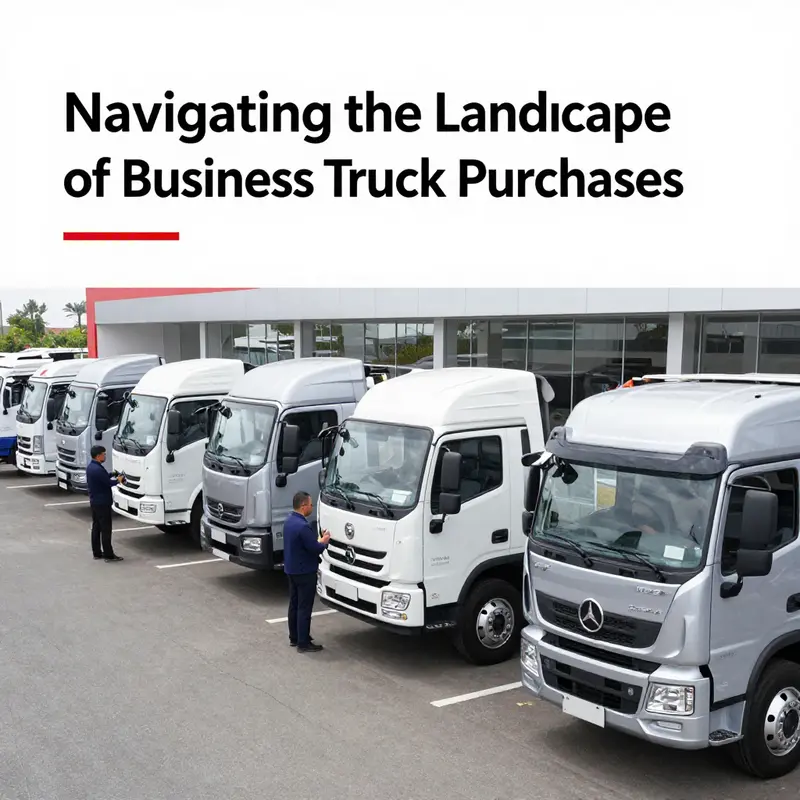
Finding the right business truck for a fleet starts with where you buy it. The process is less about chasing a single model and more about building a local network that can deliver the right vehicle, the right service, and the right support at the right time. In practice, that means charting a path through regional dealerships in a way that respects your location, your industry needs, and the scale of your operation. A brand-agnostic approach helps you evaluate options without becoming overcommitted to any one label. It also keeps the door open for promotions, trade-ins, and financing arrangements that come with proximity and long-term partnerships. The journey begins with a practical map: the official channels brands provide, the map-enabled apps that reveal nearby options, and the industry directories that list reputable dealers who understand fleet requirements as a continuum—not a one-off sale. When you set out on this route, you are not just buying a vehicle. You are investing in a business tool that should grow with your company, reduce downtime, and simplify administration across the lifecycle of ownership.
The most reliable starting point is the brand’s official dealer locator. Every major manufacturer maintains a locator on its website that accepts city, zip code, or state and returns a curated list of authorized dealers near you. The beauty of this tool is its focus on authenticity and after-sales capability. Authorized dealers are often equipped to handle fleet sales, offers tailored to business customers, maintenance plans designed for high-utilization units, and access to factory-supported financing that understands depreciation schedules and tax considerations. As you navigate the results, you’ll notice that the value is not only in the vehicle but in the ecosystem around it: the service bays, the parts inventory, the availability of trained technicians, and the ability to schedule regular inspections without leaving your local area. A simple search can reveal which dealers are closest to your headquarters, which have flexible test-drive options for your leadership team, and which can arrange on-site demonstrations for multiple units.
Beyond the brand portal, mobile technology makes this search more efficient. The same locator concept often translates into a dedicated mobile app with map functionality. With location services enabled, you can visualize the distribution of nearby options and plan a practical route for visits. The map view helps you cluster visits by regional traffic patterns, service centers, and showrooms, which reduces the frictions of multiple trips across a single week. In the field, this is not about convenience alone; it’s about reducing downtime for your fleet planning. When you can align test drives with maintenance shop hours, you shorten the cycle from purchase intent to actual integration into your operations. And when the app provides real-time stock checks or inventory status, your procurement team gains confidence that the options you’re evaluating are viable within your timeline. The potential savings extend beyond price. Coordination with a nearby dealer often translates into more favorable scheduling for fleet discounts, volume incentives, and extended warranty options that are easier to manage when the dealership and your fleet share a common time zone and a shared business context.
If you need to broaden the search beyond direct brand channels, a careful online search using generic terms—such as the brand name plus “dealer” and your location—can surface local listings, independent service centers, and regional fleet specialists. It’s essential to verify the authenticity of any dealer you find through search results. The best checks include confirming the presence of a physical showroom, reviewing the dealer’s fleet-management capabilities, and cross-referencing with a brand-affiliated directory. While some listings may point to established local businesses, others might be small operators without the infrastructure to support a multi-vehicle purchase. Your due diligence should therefore blend the ease of online discovery with the assurance that comes from an authorized or accredited relationship.
Industry directories and trade associations can augment this process. They provide a broader view of the market landscape and help you identify reputable dealers who have a track record in fleet sales and regional service networks. A careful read of dealer profiles, client references, and service capabilities can reveal whether a particular partner can handle not just the initial sale but ongoing fleet management needs. The goal is less about compiling an endless list and more about establishing a concise set of partners who can meet your core requirements: sales experience that caters to business customers, robust after-sales support, flexible financing options, and the capacity to coordinate with your internal procurement and maintenance teams. In practice, that means visiting one or two top candidates, meeting their fleet specialists, and asking for a customized demonstration that reflects your daily operations. A well-prepared presentation should address load profiles, maintenance intervals, and the administrative tasks tied to registration, insurance, and tax obligations—areas where a capable dealer can streamline the entire process.
As you narrow the field, you’ll inevitably consider the broader ecosystem around the purchase. Many regional dealerships operate within large vehicle parks that host multiple brands, service centers, and 4S shops in close proximity. In these environments, you benefit from the convenience of one-stop services: vehicle inspection, registration, financing, and tax handling all facilitated in a coordinated manner. The potential gains in efficiency are meaningful for a fleet manager who must juggle timelines, regulatory requirements, and cash-flow considerations. The park setting also fosters a sense of collective knowledge: you encounter fleets similar to yours, observe the day-to-day operations of others, and learn how service intervals and spare-parts availability influence uptime. It is in these spaces that you can observe how well a dealer supports a business in practice, not just in theory.
Discounts and promotions are not mere marketing gimmicks. They are real, time-bound opportunities that can shift total ownership cost when you purchase as a fleet, negotiate bundled terms, or align a sensitive purchase schedule with your budget cycle. In some regions, manufacturers run promotions across their authorized networks that can include cash discounts, favorable financing, or maintenance packages designed to reduce day-to-day costs. Because these incentives are region-specific, your regional dealer options are particularly valuable. The ability to compare promotions across nearby dealers—while keeping the brand-agnostic lens—helps you decide not only which truck to buy, but which partner will be there for you for the long term. When evaluating promotions, consider the total value proposition: purchase price, financing terms, maintenance and warranty coverage, the ease of obtaining replacement parts, and the ability to coordinate service across multiple locations if you operate a dispersed fleet.
Of course, the conversation with any dealer goes beyond price. It extends to how well they can support your fleet’s lifecycle, from rollout to renewal. Integrated services—financing, insurance, registration, and tax handling—are more than a convenience; they are a practical response to the realities of operating a busy fleet. The dealer should be able to coordinate with your accounting processes to ensure smooth capitalization and depreciation schedules. Their service network should attenuate downtime, offering quick turnaround on diagnoses, parts, and repairs. When a dealer understands your fleet’s usage patterns—hourly duty cycles, terrain, climate exposure, and maximum payloads—they can tailor maintenance plans that optimize uptime and extend vehicle life. In a district where the fleet operates on strict delivery windows, the dealer’s responsiveness becomes a critical lever in reliability.
As you begin to examine the human side of this equation, you may want to explore the people-centric strategies that keep fleets operating smoothly. Reading about how leadership and frontline teams contribute to fleet readiness can be enlightening. For example, see the discussion on investing in people as a core driver of fleet success. investing-in-people-key-to-truckings-success. This resource underscores that while trucks themselves are essential tools, the teams that operate, maintain, and optimize them determine daily performance and the speed of your return on investment. Such insights reinforce the notion that your dealer relationship should extend to the people who will work with these trucks every day. It is not enough to purchase a vehicle; you want a partner who will help you deploy training programs, scheduling protocols, and problem-solving capabilities that keep your operation aligned with your goals.
With all these dimensions in view, you approach the practical next steps with a clear framework. Start by listing nearby authorized dealers identified through the official locator and your app’s map view. Contact them to confirm stock, schedule test drives, and discuss fleet pricing. Arrange a round of demonstrations that align with your typical routes and duty cycles, inviting your maintenance supervisor and dispatch team to participate. If you operate across a region, plan a consolidated trip that allows you to compare two or three dealers in a single excursion, so you can assess both the experiential and operational differences in one pass. When you return, document the insights gathered from each stop—vehicle performance under your load conditions, the responsiveness of the dealership team, and the practicality of the financing terms offered. Your decision should reflect not only the sticker price but the total cost of ownership, the risk profile of downtime, and the quality of the post-sale experience. In this sense, the dealer is not a one-off point of sale, but a persistent partner whose capabilities will shape your fleet’s readiness across years of operation.
The broader picture also invites you to consider the implications of electrification or specialized configurations in your region. If you anticipate needing electric drives, refrigerated options, or other specialized chassis, many regional dealers now carry exclusive programs that apply to these categories. These programs can include discounted initial orders, favorable charging infrastructure consultations, or extended warranty terms tailored to novel propulsion or body configurations. While it’s tempting to chase the latest alternative powertrain, the prudent path remains to ensure the dealer can support the required technical competence, parts availability, and service scheduling for your chosen setup. A practical rule of thumb is to validate that the dealer’s service staff have hands-on training for the specific configuration you intend to deploy, and that they can coordinate with your internal teams to minimize integration challenges. This is where the relationship with the dealer becomes a strategic asset rather than a mere procurement step.
In closing the process, remember that regional dealers are your frontline allies in building a reliable fleet. Their value lies not only in the trucks they sell but in their capacity to simplify the procurement journey, align with your financial objectives, and sustain uptime through robust after-sales support. The more precisely you map your needs to the capabilities of nearby partners, the more smoothly your fleet will perform. If you keep your eyes on the long horizon—where maintenance, service availability, and financing terms are considered alongside initial price—you will find the right path through the regional dealer landscape. The result is not just a purchase, but a durable alignment that underpins the efficiency and resilience of your business operations over time.
Electrifying the Fleet: Selecting Electric and Specialized Trucks for Efficient Business Operations
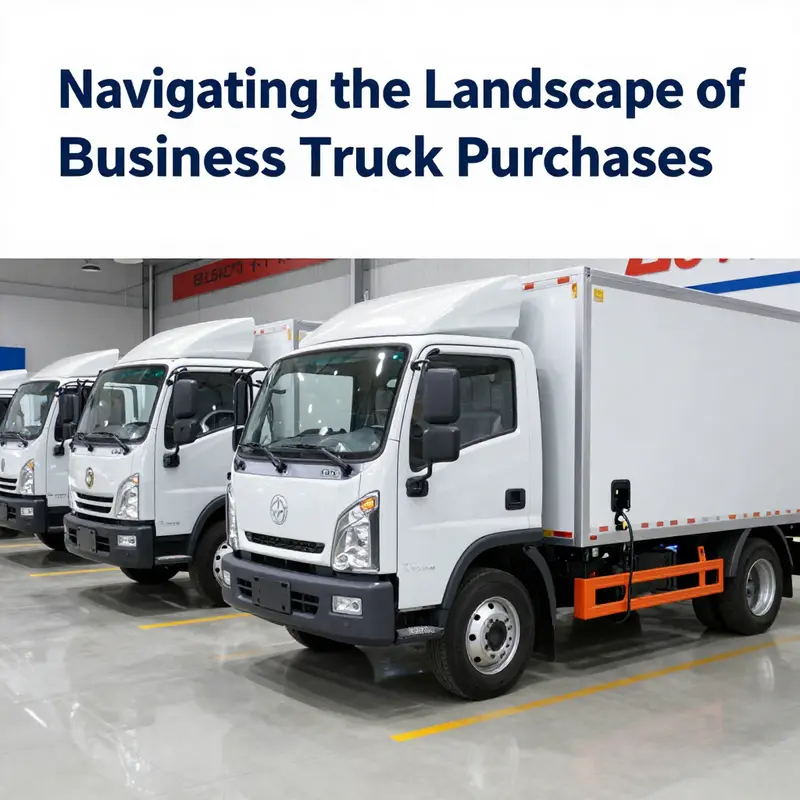
Choosing a business truck in today’s market requires more than a quick price check or a glance at horsepower. When the focus shifts toward electric and specialized configurations, the decision becomes a careful balance of range, charging, payload, and long-term value. A fleet buyer stepping into this terrain must imagine not just the truck they will drive tomorrow, but the entire ecosystem that supports it—from depot electrical capacity to maintenance networks and regulatory landscapes. The most successful purchases begin with a clear sense of how the vehicle will fit into daily operations, how it will be charged and fueled across routes, and how its performance translates into reliable service, customer satisfaction, and bottom-line results over the life of the asset. In this sense, buying an electric or specialized truck resembles a strategic partnership with the future of the business itself, one that demands rigorous assessment and disciplined planning rather than a single, one-off concession on price.
At the heart of the electric and specialized truck decision is range and the charging equation. For many urban and regional delivery operations, the day starts with a full battery and ends with a need to be back in the depot for overnight charging. The critical question is whether a given model’s range aligns with the daily footprint of the routes. This is not merely about miles per day; it is about the ability to schedule trips with predictable starts and arrivals, to avoid mid-shift downtime for charging, and to maintain consistent service windows for customers. The reality is that charging infrastructure—whether at the depot, at a customer site, or at public stations—shapes the practical feasibility of each electric option. A fleet that can install a private charging station at the warehouse, for example, can leverage overnight, high-current charging to maximize uptime. But the feasibility of that approach hinges on the building’s electrical capacity, transformer loading, panel space, and the incremental capital expenditure required for charging hardware, power management software, and safety protections.
Beyond the logistics of charging, the total cost of ownership becomes a central lens for evaluating electric and specialized trucks. The upfront price tag may appear higher than traditional diesel equivalents, yet the lifecycle costs often favor electric propulsion. Electricity typically costs less per mile than diesel, and electric drivetrains contain fewer moving parts with reduced maintenance needs. This combination can compress maintenance costs over the vehicle’s life and reduce unexpected downtime due to mechanical failures. A cautious, data-driven view of TCO compels planners to account for battery degradation warranties, the probability of battery replacement, and how residual values will hold up as technology evolves. Industry studies routinely show that the average cost per mile for electric trucks can be notably lower than that of diesel counterparts, especially in fleets with heavy stop-and-go operation and high utilization. Still, unlike internal combustion engines, electric powertrains require attention to battery health, thermal management, and the availability of skilled technicians who understand battery systems and high-voltage safety.
The other critical piece of the equation is the vehicle’s payload capacity and body configuration. Specialized trucks come in many forms—refrigerated bodies for perishable goods, insulated vans for temperature-controlled transport, duty-specific platforms for flatbeds or dry freight, and even hybrid or all-electric chassis paired with different bodies. A precise calibration between GVWR and the loaded weight is essential to avoid overstressing tires, brakes, or the structure itself. The payload capacity must align with the cargo’s mass, volume, and required handling features such as side doors, rear lifts, or interior insulation. It is easy to overcorrect by chasing higher range or a lower price without validating that the chosen body will accommodate the actual workload, including peak-season surges. With electric powertrains, weight distribution and traction also matter. Batteries add weight, which can influence load planning, braking performance, and cornering behavior. A thoughtful procurement process therefore integrates a realistic assessment of the cargo mix, loading/unloading rhythms, and any special handling requirements that could affect efficiency and safety.
Performance and reliability form another pillar in the evaluation. Electric traction often delivers strong torque for city driving and rapid acceleration, which is beneficial for congested routes and time-sensitive deliveries. However, the real-world performance of any given model varies with climate, terrain, and load. A comprehensive test-drive regime—complete with representative routes and weight configurations—helps fleet managers gauge braking performance, hill-climbing ability, and how the vehicle behaves under frequent stop-and-start cycles. Reliability hinges not only on the drivetrain but also on the breadth and depth of local service networks. Fleets should verify the proximity of trained technicians, availability of spare parts, and the vendor’s service philosophy for preemptive maintenance versus reactive repairs. In the realm of electric and specialized trucks, fleets increasingly rely on software and diagnostics to monitor performance, battery health, and charging status in real time. This creates an opportunity to reduce downtime through proactive maintenance scheduling, but it also requires a commitment to data management, cybersecurity, and a plan for technicians who can interpret high-voltage diagnostics alongside traditional mechanical checks.
Regulatory incentives and the long horizon of fleet planning add another layer of complexity—and potential for value. Many governments offer a spectrum of incentives for electric vehicles, ranging from upfront grants to tax credits and favorable financing terms. While these perks can materially improve the total economic picture, they are not guaranteed to endure; policies shift with budgets and political priorities. A prudent approach weighs current subsidies against anticipated regulatory trajectories, such as city-center restrictions on diesel trucks or tighter emissions standards in urban corridors. Planning for a gradual transition, rather than a single replacement, makes it easier to phase in electric and specialized solutions as routes evolve, charging opportunities expand, and service ecosystems mature. This long-range thinking dovetails with fleet electrification roadmaps that consider where electrified models make the most sense today and where hybrids or alternative configurations may bridge the gap tomorrow.
In practice, operators often begin with a careful map of routes and duties, then explore how electric and specialized variants can meet those needs without compromising service levels. A methodical approach includes piloting a small number of units on representative routes, gathering data on range, charging time, cargo compatibility, and maintenance needs. The data gathered in a pilot becomes the backbone of a scalable rollout plan, helping to quantify benefits such as reduced fuel costs, fewer oil-related maintenance events, and improved uptime. At the same time, it is essential to build a robust risk-management plan that anticipates charging issues, grid capacity constraints at depots, and the realities of battery aging. Financial stakeholders will want a clear view of the payback period, sensitivity analyses for fuel price volatility, and scenarios for scaling up or reconfiguring the fleet as demand and regulations shift.
A practical, business-focused lens should extend to the ecosystem around the truck itself. The chassis, the body, and any refrigeration or specialized systems must integrate with telematics, route planning software, and warehouse operations. Data interoperability matters: the ability to share route data, battery state of charge, and maintenance alerts across platforms can unlock greater overall efficiency. If a depot relies on centralized scheduling, the ability to forecast charging windows around peak demand and to allocate chargers by priority becomes a tangible competitive advantage. This systems thinking helps a fleet avoid bottlenecks and ensures the electric or specialized truck is not only capable in isolation but also harmonious within the broader logistics chain.
As you weigh these factors, a resourceful buyer will look beyond the vehicle itself and lean into industry literature and peer experiences. There is growing consensus that future roadmaps for commercial electrification will hinge on a combination of technical reliability, charging infrastructure, and fleet-wide optimization. For readers seeking a focused view on the strategic implications of zero-emission trucks and the ongoing policy landscape, see the discussion on Zero-emission trucks: future regulations and innovations. This resource frames how incentives, standards, and innovations are converging to shape expectations for the next decade of fleet purchases. Zero-emission trucks: future regulations and innovations
Beyond the mechanics and economics, there is a cultural shift in how organizations think about trucks. Electric and specialized configurations demand partnerships with suppliers that extend far past the sale. Training for operators and maintenance staff, a clear escalation path for technical issues, and transparent warranties are essential to ensuring confidence in the investment. The procurement process, therefore, should include not only the hardware but also an execution plan for knowledge transfer, troubleshooting, and continuous improvement. In some fleets, the shift to electric accompanies broader changes in fleet management—telematics, route optimization, and predictive maintenance become central to achieving gains in reliability and customer service. The end result is a more resilient operation, with a fleet capable of adapting to changing routes, tighter emissions regimes, and evolving customer expectations.
Ultimately, choosing an electric or specialized business truck is a decision about resilience and long-term value as much as it is about upfront cost. It requires aligning the vehicle’s technical characteristics with real-world operating realities, ensuring that charging and maintenance ecosystems are in place, and anticipating how incentives and regulations will steer future capital investments. The most durable choices emerge when fleet planners combine rigorous route analysis with pragmatic pilots, a clear data strategy, and a supportive service network. In this way, an electric or specialized truck becomes not just a tool for today’s deliveries but a cornerstone of a more sustainable, capable, and cost-efficient business operation that can weather shifting markets and policy landscapes.
For a deeper look at the broader implications of zero-emission trucks and how they intersect with regulatory and innovation trends, readers can explore related discussions in industry literature and policy analyses. And for organizations weighing the practicalities of range, charging, and maintenance in parallel with financial metrics, the conversation remains anchored in a straightforward question: how does the next truck pay for itself over a full cycle of usage, while enabling service excellence today and flexibility for tomorrow? The answer lies in a disciplined, data-driven approach that treats vehicle selection as part of a larger strategy to optimize every mile and every minute of the fleet’s operation.
External reference for further technical context on costs and benefits can be found here: https://www.energy.gov/eere/vehicles/articles/electric-trucks-costs-and-benefits
Final thoughts
Navigating the purchase of a business truck involves understanding the array of options available across national platforms, specialized parks, and regional dealerships. Each avenue caters to distinct needs, ensuring that logistics, construction, and fleet management companies can find suitable solutions tailored to their operational demands. Furthermore, the rise of electric and specialized trucks presents new opportunities for companies to enhance efficiency while remaining environmentally responsible. Careful consideration of these pathways will empower firms to make strategic investments that align with their long-term objectives.