
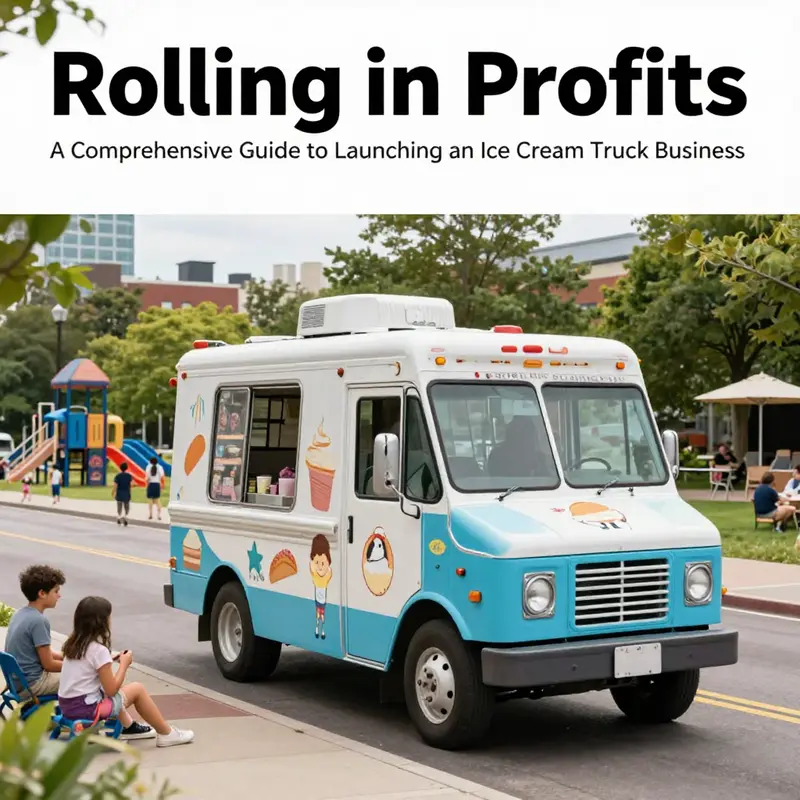
Starting an ice cream truck business is not only a vibrant way to engage with communities, but it also offers lucrative opportunities for logistics and distribution firms. As the demand for mobile food services grows, especially in urban areas, companies in logistics, construction, and food distribution can harness innovative strategies to monetize this trend effectively. This guide caters specifically to professionals in logistics and fleet management, unraveling the critical elements of market research and planning, navigating legal frameworks, and operational execution required to kickstart a successful ice cream truck business. Each chapter will provide a meticulous exploration into these facets, ensuring that your approach aligns with industry best practices and maximizes profitability.
Sweet Foundations on Wheels: In-Depth Research and Strategic Planning for Launching Your Ice Cream Truck
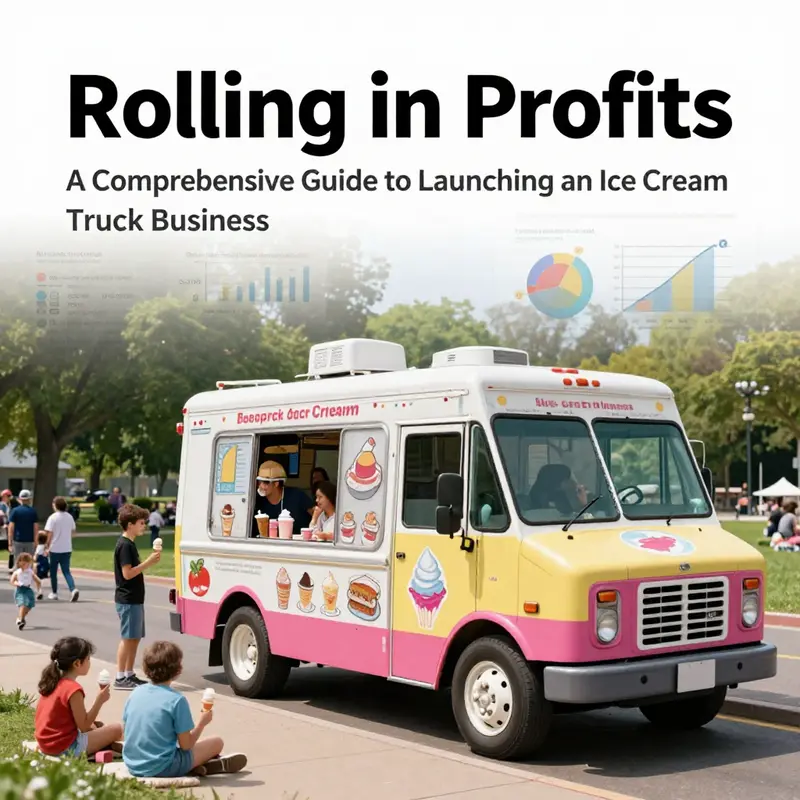
Launching an ice cream truck is more than choosing flavors. It is a project that begins long before the first scoop lands on a cone. It rests on a foundation built from disciplined research, pragmatic planning, and a readiness to adapt to local rhythms. The road to a successful mobile dessert operation winds through questions of where people gather, what equipment can reliably preserve quality, how you will comply with local rules, and how you will earn trust from customers who expect a cheerful encounter every time. When planning is treated as a living program rather than a static checklist, you keep space to respond to weather, festivals, and the ever shifting cadence of community life.
Market research should start with your own neighborhood map. Identify parks, neighborhoods with families, school zones during lunch hours, sports facilities after games, and recurring events that draw crowds. Track patterns across the year; summer heat may drive foot traffic, but community fairs and weekend markets provide predictable opportunities in shoulder seasons. Take stock of the competition: how many mobile vendors already serve the same corners, and what flavors or concepts they are offering? The goal is not simply to imitate a successful model but to discover gaps you can fill. Consumers may crave familiar favorites, but they also respond to novelty, values, and experiences. A trend that matters is the growing interest in plant based and allergen mindful options. If you can offer a vegan sorbet, a dairy free cookie sandwich, or a low sugar alternative without sacrificing taste, you create a differentiator that travels well with families who plan treats for multiple ages. Collect observations over several weeks, counting unique visitors, dwell time, and interactions.
Beyond flavors, define your audience with care. Perhaps you want to be a dependable weekly fixture for a nearby elementary school and a weekend stop for families at the lake. Maybe you also aim for corporate campus events or local fundraisers. This clarity helps you tailor pricing, service speed, and your branding to fit the needs of different groups. It also guards you against chasing every possible opportunity at once, which can stretch supply chains and dilute your identity. In planning terms, you are balancing accessibility with the premium edge that can come from curated toppings, seasonal sauces, or limited time blends. Being explicit about who you serve supports smarter decisions about where to park, how long to stay at each location, and which partnerships can sustain momentum through the year.
Vehicle and equipment are the heart of the operation. The core unit is a refrigerated mobile box—whether a compact van or a panel truck—that teams up with reliable freezers, a feasible cooling load, and a practical setup for serving customers. Insulation, door seals, and a robust refrigeration machine matter more than flash graphics, because quality is the first promise you make to a long line of families on a sunny afternoon. Energy efficiency translates into lower operating costs and less heat inside your workspace, improving staff comfort and reducing the risk of equipment failure. Exterior branding that holds up to sun, rain, and car wash brushes matters, too. Use weather resistant vinyl wraps or vinyl decals designed for outdoor exposure; bold colors and clean typography help you stand out from a moving crowd. Some operators add a music system or playful lighting to attract attention after dusk, but the core value remains consistent product quality and dependable service. Plan a maintenance schedule that keeps the refrigeration and electrical systems reliable; carry spare parts or have a quick service plan so a single hiccup doesn’t derail a busy shift.
Permits and inspections are not obstacles but guardrails that protect your customers and your business. The typical package includes a business license to operate legally, a seller’s permit for tax collection, and a food handler certificate or its local equivalent. A mobile food vendor permit is commonly required, with rules that vary by city or county. You may also need insurance—general liability and, depending on jurisdiction, additional coverage for vehicles and equipment. Health department inspections arrive at regular intervals to verify clean practices, proper cold holding, and safe food handling. Expect to document temperatures, run daily sanitization logs, and maintain a clean work surface. There may also be signage or noise regulations specific to mobile trucks, especially if you plan to operate near schools or in residential neighborhoods. Compliance requires ongoing attention, a simple record keeping routine, and a willingness to adjust processes when a new regulation takes effect. Build a calendar that tracks renewal dates for permits and a routine audit of cleanliness and safety.
Brand identity is the lens through which every encounter is understood. Start with a name that is memorable and easy to pronounce in a crowded queue. Develop a visual language—colors, typography, and graphics—that survive heat and wind. Exterior branding must be legible from a distance and legible in motion, since your truck will be seen rather than sat in one place. The design should be consistent with your menu concept, whether you favor nostalgic classics, modern twists, or wellness oriented treats. A strong brand supports your marketing across social channels, in print materials, and in the way your staff greet customers. It also influences packaging choices; eco friendly cups and napkins complement a values driven narrative and can resonate with families who care about the footprint of their treats. The menu itself should be simple enough to execute quickly while offering room for seasonal changes. Think of a handful of core flavors paired with a rotating option, and couple that with a handful of bite sized add ons that travel well in the tray or cone. Budget time for a brand guidelines document that clarifies tone, imagery, and customer interaction cues, then train staff to carry the same expression in every touchpoint.
Pricing is where planning meets reality. Your prices must reflect ingredient costs, labor, and overhead while staying competitive in your market. A practical approach is to anchor a few core items at a consistent price point and use seasonal specials to drive excitement. Consider a tiered structure that allows small children to choose something affordable and adults to indulge in premium combinations. Keeping the math transparent helps you train staff and communicate value to customers. It pays to test promotions during different events: loyalty cards, limited time offers, or discounts for first time customers can build repeat visits without eroding margins. A disciplined approach to inventory ensures you never overstock or waste. With a focused menu and clear pricing, you can forecast daily revenue more reliably and protect cash flow during lean periods. Develop a straightforward cash handling protocol and a monthly reconciliation ritual so miscounts never accumulate.
Operations and logistics demand discipline. Route planning is more art than science, but it benefits from a disciplined check once you learn a few best practices. Map your potential stops by timing and foot traffic, then create a flexible schedule that lets you chase events while preserving time for prep and rest. Use simple route logs or GPS tools to minimize backtracking and to reduce fuel burn. Inventory management is a daily habit: track what you use, reorder with enough lead time, and keep high quality ingredients within safe temperatures. Establish a quick serve protocol to ensure speed and consistency; train staff to handle cash, operate the equipment, and communicate with customers with warmth and politeness. Hygiene remains non negotiable—wipe down surfaces, monitor temperatures, and practice safe handling throughout. By treating every shift as a mini business operation, you build reliability that customers come to trust even on the busiest days. Coordinate with suppliers to ensure a steady, temperature controlled flow of ingredients so that supply glitches don’t ripple into service delays.
Financial planning should be integrated from the start. Draft a realistic budget that includes the vehicle modification, refrigeration equipment, initial inventory, permits, insurance, branding, and working capital for the first few months. Ongoing expenses will include fuel, maintenance, ingredients, staff wages, and replacement parts for equipment. Build a break even forecast and update it as you learn the realities of your local calendar. Pricing should reflect your costs but also your neighborhood norms. In many markets, a simple treat settles in the range of a few dollars, while premium combinations can justify higher pricing on festival days. You will need a simple accounting rhythm to track expenses and revenues, and to summarize profitability monthly. Reinvest profits into upgrades—new flavors, better packaging, or additional vehicles—only after you have demonstrated sustainable cash flow. The goal is steady growth rather than overnight dominance, a pace you can sustain with reliable service and a clear brand promise. Embed a minimal reserve for emergency repairs so a single breakdown doesn’t stall your plan.
Sustainability and innovation can be a banner you carry softly rather than loudly. Eco friendly packaging, compostable cups, and minimal waste are not only good for the planet; they also appeal to mindful families. Some operators experiment with solar powered coolers or energy efficient refrigeration to shave operating costs and reduce noise and heat. The world of mobile dessert is also expressive; themed vehicles and interior layouts can turn a simple stop into a memorable moment, especially when a mobile service becomes a point of community connection. While not every idea will fit your market, keeping an eye on new formats, seasonal collaborations, and digital ordering options can extend your reach beyond the sidewalk. You may even find inspiration in unlikely places, such as a game that features donut themed trucks, which can spark branding ideas for a line of related confections in your own business.
People and culture are the living engine of a successful mobile operation. Your crew sets the tone of every interaction, from the moment a customer approaches to the final thank you at the window. Training is not a one off; it is a recurring practice that reinforces hygiene, speed, accuracy, and friendly service. If you have a small team, you will need clear role definitions and dependable scheduling. If you grow, you will want a culture guide that keeps everyone aligned with your brand values. In this context you can draw wisdom from broader conversations about investing in people as a foundation for business growth. See how teams in other mobile ventures emphasize customer experience, safety, and craft. For example, the idea that people are a key asset is echoed in discussions about investing in people key to trucking’s success Investing in people key to trucking’s success.
As you weave research into daily practice, you will notice a rhythm emerge. The initial plan is a living document, revised after every event, every season, and every customer conversation. You will learn which locations produce steady streams of visitors, which flavors travel best with the crowd, and where to invest in equipment upgrades that reduce downtime. The most durable advantage comes from couples of actions: a reliable vehicle that preserves product quality, a brand that communicates warmth across generations, a menu that remains approachable yet inventive, and a planning discipline that keeps costs predictable. You are not simply selling a frozen indulgence; you are delivering moments of delight, convenience, and shared memories. That combination—market insight, sound operations, and persistent focus on service—forms the backbone of a venture that can grow from a single truck into a small family of mobile dessert experiences.
To close this phase of preparation, keep sight of the longer horizon: expand thoughtfully, partner with community organizations for recurring gigs, and continually refine your story so the truck becomes a familiar friendly presence wherever you park. The journey from concept to rolling stand is arduous but deeply rewarding when you see the first lines form under a summer sun and a child points toward a cone that promises comfort and joy. With careful research, patient planning, and a willingness to adapt, you can turn a simple ice cream truck into a reliable source of smiles for years to come.
External resource: https://www.insideicecreamvan.com/standards-and-structure
Grounded Dreams: Legal Foundations and a Robust Business Plan for Ice Cream Truck Startups
The nostalgia of a retro ice cream truck often hides a disciplined, modern reality: to turn wishful thinking into a thriving street-side business, you must start with a solid legal frame and a plan that can survive real-world timing, weather, and competition. A truck that delivers joy to parks, beaches, school campuses, and community events becomes a sustainable venture only when its owner pairs a strong understanding of regulatory requirements with a clear, data-driven blueprint for growth. This is not merely about serving scoops; it is about aligning your creative vision with compliance, insurance, pricing, routes, and a roadmap that attracts investors or lenders if you choose to scale. The journey begins with choosing the right business structure, registering your venture, and securing the licenses and permits that verify you meet sanitation, safety, and consumer protections. It continues with a relentless focus on health standards, allergen awareness, and the practicalities of maintaining a refrigerated vehicle that travels from one curb to the next without sacrificing quality. Yet the legal landscape alone does not guarantee success. A well-crafted business plan anchors every decision, translating vision into numbers, markets, and milestones. It explains who you serve, why they will choose you, how you will operate, and when you will break even. In a mobile business where location, weather, and seasonality drive demand, the plan must be adaptable even as it remains precise about cost structures, revenue streams, and cash flow. As you balance compliance with opportunity, a careful synthesis of these elements makes a difference between a truck that merely exists and a truck that thrives. This chapter unfolds the legal framework as the backbone of your venture and then threads it through a comprehensive, adaptable business plan that can evolve with your brand, your neighborhoods, and your ambitions. Along the way, you will see how the two strands—regulatory compliance and strategic planning—interlock to support reliable operations, steady growth, and a memorable customer experience that keeps people coming back for more. In practical terms, you will address structure selection, essential registrations, health and safety obligations, and the often overlooked but critical area of operating restrictions. You will also chart the kinds of budgets, financial projections, and performance indicators that reveal where your business stands and where it can go. The path is not a rigid checklist but a living framework that you can adjust as you learn from events, festivals, school fundraisers, and weekend markets. To make this framework tangible, imagine your truck rolling into a park on a sunny afternoon. The sun glints off a glossy exterior, the aroma of warm waffle cones drifts through the air, and yet the scene is set by a set of documents, a bankable plan, and a compliance regimen that ensures you serve safely and legally. The contrast between charm and discipline matters because customers sense both quality and trust. Your legal and planning work, though less glamorous than flavor development, is what turns a seasonal impulse into a durable business. In that spirit, the first layer of the chapter considers structure and registration, licensing and permits, and the rules that govern food handling in a mobile setting. The aim is clarity: choose a business form that matches liability protection with tax considerations, then register a name that will travel with your brand across counties or cities. The choice between a sole proprietorship, a limited liability company (LLC), or a corporation has practical consequences for liability, taxes, and ease of expansion. An LLC often offers a balanced path for many ice cream truck operators because it protects personal assets while keeping administrative burdens manageable. As you formalize your presence, you must secure a business license from the local authority and a seller’s permit so you can collect sales tax where applicable. A mobile vendor license will typically accompany your vehicle for operation in city streets, parks, and event spaces, and it often comes with conditions related to vehicle design, signage, and operating hours that reflect local values about safety and community impact. Even seemingly small steps, like naming your entity and your vehicle’s business address, can have downstream effects on taxes, insurance, and eligibility for permits, so give these choices careful consideration at the outset. A crucial companion to licenses is the health and safety framework that governs how you store, handle, and serve dairy and non-dairy frozen products. The Food and Drug Administration’s Food Code, together with local health department regulations, sets expectations for refrigeration, cross-contamination prevention, handwashing, utensil use, and ingredient labeling. In practice, this means maintaining proper temperatures, conducting routine equipment cleaning, and ensuring that every ingredient carries clear allergen information. It also means establishing procedures for food handling, employee hygiene, and accident response that can be demonstrated during inspections and audits. The emphasis on accurate labeling and allergen disclosure matters not only for compliance but for trust, especially when families with diverse dietary needs encounter your menu. The regulatory picture also includes zoning and operating restrictions that can shape where you actually park and serve customers. Many jurisdictions implement quiet hours, proximity limitations to schools, or district-specific hours designed to balance commerce with community wellbeing. Before you finalize routes, study local ordinances and speak with small business development offices or licensing authorities to understand what is permissible in core neighborhoods, festival zones, and transit-heavy corridors. The practical upshot is that your plan should map acceptable zones, preferred routes, and contingency plans for weather or event cancellations, not because you fear penalties but because you want consistent access to the people you intend to serve. Vehicle registration and insurance sit at the intersection of compliance and risk management. Commercial vehicle registration recognizes the truck as an enterprise asset, while liability coverage protects your business, employees, and customers in the event of an accident. Costs will vary based on vehicle type, payload, and the geographic area you operate in, but adequate coverage is non-negotiable. Budget for inspections, routine maintenance, and potential insurance surcharges that arise from the mobility and temperature-control requirements of your refrigeration system. With these layers in place, you have established a compliant operating environment; now you translate that platform into a living, breathing plan that guides expansion, day-to-day decisions, and long-range goals. A robust business plan is more than a financial forecast. It is a narrative that defines your concept, markets, competitive edge, and operational rhythm. Start with an executive summary that encapsulates your mission and your unique value proposition. For an ice cream truck, this often means blending a retro aesthetic with modern safety, a focus on quality ingredients, and a willingness to serve diverse tastes, including vegan or dairy-free options when supported by equipment and supplier agreements. The market analysis should be practical: who are your core customers—families at parks, attendees at festivals, attendees at school events—and what are the patterns of demand in your target geography? An honest competitive assessment will identify other mobile vendors, neighborhood grocery offerings, and seasonal festivals, helping you prioritize routes and form partnerships with event organizers or schools that can provide recurring sales opportunities. The organizational section clarifies who does what, especially if you plan to operate solo or with a small team. It also defines hiring and training plans, particularly for food safety, cash handling, and customer service, ensuring that staff reflect the standards your brand promises. When you describe your service offering, present a concise menu strategy that balances classics with seasonal flavors and any specialty items that align with your brand. Don’t overextend the inventory; a tight menu reduces waste and simplifies procurement while maintaining opportunities to delight customers with signature items. Consider a few non-frozen options for cooler months or for venues that request year-round presence, such as warm treats or novelty snacks that complement your ice cream lineup. Your marketing and sales strategy should translate the vehicle’s curb-side charm into online visibility and offline partnerships. A strong brand identity helps customers recognize you at a distance, and deliberate social media activity—photos of your truck, flavor launches, and behind-the-scenes preparation—builds anticipation. Partnerships with local events, schools, and businesses create predictable, repeat opportunities beyond daily sales. A loyalty program, simple promotions for first-time customers, and targeted outreach through geotagged posts are effective ways to drive trial and repeat visits. The financial projections are the backbone that informs every decision about pricing, staffing, and equipment investments. Start with a clear ledger of startup costs, including the vehicle purchase or lease, refrigeration equipment, branding, initial inventory, and essential service tools. Operating expenses will include fuel, maintenance, insurance, payroll, and administrative costs. Revenue projections should be grounded in realistic daily sales estimates, taking into account seasonality and event calendars. A break-even analysis reveals how many days of operation are required to cover ongoing costs, guiding decisions about expansion, adding another vehicle, or investing in upgrades to your fleet. A comprehensive plan also anticipates contingencies: how you would respond to a sudden drop in foot traffic, a regulatory change, or a delay in licensing. The more you can quantify, the more confident lenders or investors will be in your ability to execute. In practice, many entrepreneurs find it helpful to consult a practical planning template, and you can leverage a proven framework that aligns with a mobile food service model. This approach keeps your plan adaptable; it gives you a framework to test new flavors, explore partnerships, and forecast the financial impact of adding a second route or a second vehicle. You do not need to reinvent the wheel; you need a reliable blueprint to tailor to your local context, your vehicle, and your community. The legal and planning journey is not a burden—it is the enabling layer that makes your culinary idea a stable enterprise. As you draft, periodically revisit key assumptions: customer preferences, pricing competitiveness, and route efficiency. Track how actual sales compare to projections, and adjust your menu or hours to align with observed demand. In one city, a late-afternoon park corner might yield a steady stream of families after a local practice, while in another, a weekend farmers market may dominate sales. The capacity to pivot while keeping your core brand intact defines the resilience of your business. A final point concerns external guidance and ongoing education. While the core chapters of licenses, permits, and plans cap your initial setup, the terrain of regulations and business opportunities continues to evolve. A practical reference point for broader strategic insight is a widely used resource hub that guides new ventures through the planning process. It is worth consulting to structure your plan, spell out assumptions about market size, financing needs, and risk factors, and to obtain a template you can customize for a mobile food service. For accessibility and practical planning, this external resource provides a structured approach that matches the rigor of the regulatory framework described here. As you work through your legal requirements and your business plan, remember that your ultimate goal is to create a dependable platform from which you deliver joy, one scoop at a time, while safeguarding your customers and your team. Your compliance posture and your financial roadmap should reinforce each other, enabling predictable operations, transparent pricing, and sustainable growth. With the right structure, permits, and plan, your ice cream truck can move beyond a single summer fling into a recurring, beloved presence in your community. To support your ongoing journey, you can explore targeted guidance on regulatory considerations and practical planning in related industry content, including resources that address how regulatory and operational factors intersect in mobile food ventures. For readers who want a concrete template to formalize the planning process, a widely recognized guide for new businesses offers a detailed path from concept to funding. You can start there to shape a plan that mirrors your local context and your personal ambitions, while keeping your focus on hygiene, safety, service quality, and the joy you bring to neighborhoods with every scoop. External resource: https://www.sba.gov/business-guide/plan-your-business/write-your-business-plan
On the Road to Scoop Success: Mastering Operations and Marketing for Your Ice Cream Truck
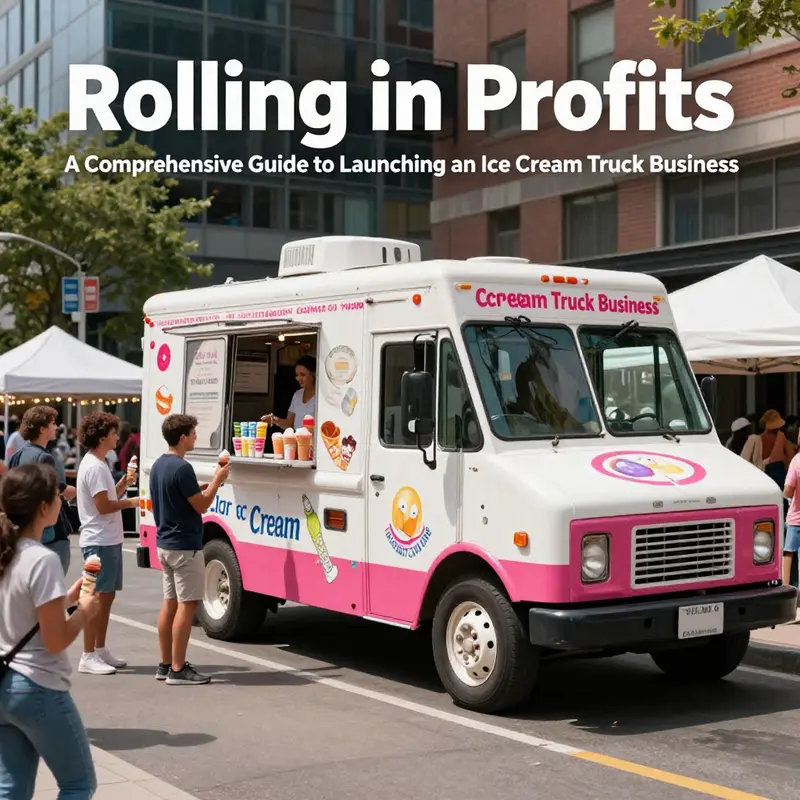
Launching an ice cream truck business is more than selling cold treats from a colorful vehicle. It’s a disciplined blend of operational rigor and creative engagement that turns a single truck into a reliable, growing enterprise. The road to success is paved not only with a great menu, but with careful planning, compliance, and a marketing approach that brings your flavors to the right people at the right times. When you treat operations as a living system—one that must run smoothly today while humming toward tomorrow—your chances of building a sustainable, scalable brand grow dramatically. The journey begins with a clear picture of what you’re delivering, how you’ll deliver it, and who you’ll serve, all anchored by a steady cadence of evaluation and adaptation.
Operational fundamentals anchor every decision you make. Compliance and permits come first because they are the foundation of legitimacy and the shield that protects your customers. Local business licenses, food handler permits, and health inspections ensure that your food safety practices are sound. Mobile vending often adds a layer of regulation beyond a fixed storefront, with special permits required for streets, parks, and events. Regulations differ widely from one city to another and from one country to another, so you invest time early to map the landscape. You may find that in some regions a commercial driving license or specific mobile vendor permits are essential, while in others technological solutions and routine inspections drive the compliance calendar. Treat this as a risk management exercise: your future self will thank you for the diligence.
Vehicle selection matters nearly as much as the ice cream itself. The most scalable approach starts with a refrigerated base that can shield your product from heat and humidity, while offering enough space to store a balanced inventory. Options range from compact, electric vans ideal for tight urban spaces to larger, fully equipped trucks designed to support on-site production or a broader menu. The choice should reflect your target locations, anticipated crowd sizes, and the level of service you plan to provide. A vehicle with robust insulation, reliable cooling, and straightforward maintenance schedules reduces downtime and protects product quality. Branding should be integrated from the start, too. A well-designed exterior with bold colors and clean typography makes your truck a moving advertisement, drawing attention at peak moments and quiet corners alike. The investment in branding pays dividends through recall and trust, especially when you pair it with consistent service.
Product integrity hinges on storage, temperature control, and careful handling. Hard ice cream and soft serve demand different refrigeration dynamics, but both require consistent temperatures to preserve texture and flavor. For hard ice cream, ultra-low temperature freezers are essential; for soft serve, stable freezing units that deliver a creamy, scoopable texture matter most. Sustainability-minded operators are increasingly considering electric vehicles and energy-efficient equipment as a way to lower operating costs and emissions while maintaining quality. Regardless of format, you should establish a routine for cleaning, sanitization, and equipment inspection. A clean truck communicates care and builds trust with customers who may return for a favorite flavor or a new topping.
Inventory strategy and supplier relationships shape both margins and menu breadth. A well-planned truck can store enough product to cover busy shifts, but forecasting remains critical. Build a calendar that aligns ingredient deliveries with anticipated demand, weather patterns, and event calendars. The supply chain for premium bases, toppings, cones, and packaging should emphasize reliability, consistency, and quality. Packaging choices—eco-friendly cups, napkins, and bags—do more than reduce waste. They reinforce your brand values and can influence repeat visits among environmentally conscious customers.
Menus must strike a balance between familiarity and novelty. A simple core lineup—think classic vanilla and chocolate—provides a steady backbone, while seasonal flavors and limited-time offerings create excitement and urgency. Consider non-frozen accompaniments or warm treats during cooler months to keep customers engaged when the weather shifts. The most successful menus are curated to avoid inventory waste and operational bottlenecks. A well-constructed menu reduces the risk of overstock and ensures you can meet demand without compromising on quality. Beyond flavor, you can design experiences around the act of choosing. Interactive elements, such as toppings stations or personalized builds, give customers ownership and elevate the perceived value of the purchase.
Marketing begins where operations leave off: in the eyes of potential customers. Your truck is a rolling billboard, so branding must be consistent across the vehicle, packaging, uniforms, and online presence. A cohesive identity helps people recognize you from a distance and recall your offerings later. Social media amplifies this reach. Platforms with visual appeal—image-driven feeds, short videos, and location tags—are ideal for showcasing new flavors, behind-the-scenes processes, and real-time sightings. Geotagging helps nearby shoppers find you, while seasonal promotions and bundled deals can drive trial and loyalty. A strong online presence also supports discovery by local event organizers, schools, and community groups hosting recurring sales opportunities. Networking with these partners creates a predictable revenue stream and a built-in audience for special events.
Community interaction is not an afterthought but a core growth strategy. Participating in local events, fairs, and after-school programs builds familiarity and trust. Partnerships with parks, community centers, or neighborhood associations can secure prime spots on busy days. In this arena, customer experience becomes a differentiator. Instead of merely serving a product, you curate a moment: a friendly greeting, a quick explanation of flavors, and a smooth checkout. In regions where interactive experiences are valued, you might borrow ideas from global trends, such as DIY experience models where customers assemble their sundaes from a choice of toppings. This interactivity increases perceived value and encourages repeat visits as families look for new combinations and nostalgic favorites.
Operational planning requires data-driven decisions about location and timing. Use weather forecasts, event calendars, and foot traffic data to determine where you should be and when. Beaches, parks, school campuses, and festival grounds offer high-potential windows, but each location has its own rhythm. The ability to pivot—shifting hours, changing routes, or joining a new event on short notice—can protect revenue when weather or crowds shift. A flexible routing mindset helps you maximize coverage while keeping fuel costs in check. Even your fleet design can support mobility. Some operators experiment with mobile shops built inside shipping containers; these units offer rapid deployment, easy relocation, and the capacity to follow seasonal demand while keeping setup times low. These strategic choices demonstrate how operational decisions ripple through every aspect of the business, from food safety to customer satisfaction.
As your operation grows, people become central to sustained success. Hiring, onboarding, and ongoing training ensure consistency in service, hygiene, and safety. A crew aligned around core values and standard operating procedures gives you dependable execution across shifts and weather. The people you hire are not just workers; they are ambassadors who carry your brand identity to customers and communities. When you invest in them, you invest in the brand’s long-term equity. See, in many fleets, people-first strategies in trucking play a critical role in performance and retention, emphasizing clear expectations, developmental opportunities, and a culture of pride in a job well done. This perspective reinforces the fact that a successful ice cream truck business is a people business as much as a product business, and it helps you structure compensation, scheduling, and development plans that attract and retain top talent. People-first strategies in trucking denotes how a service mindset translates into reliability, stronger customer rapport, and a healthier bottom line.
Financial discipline threads through every choice. Pricing must reflect ingredient costs, labor, and overhead while remaining attractive to families and consistent across venues. Regularly revisiting your break-even point helps you identify when expansion is prudent or when you need to tighten operations. Reinvesting profits into upgrades—new equipment, better packaging materials, or additional trucks—drives scale. You should keep scrupulous records of expenses and revenues, not just for taxes but for forecasting. A well-kept ledger supports smarter decisions about seasonal inventory, staffing levels, and the timing of promotional campaigns. In short, your financial rhythm should mirror the ebb and flow of your customer base, with buffers for weather disruptions and event cancellations.
The hygiene and safety framework is not a one-time task but a culture. Regular maintenance checks for cooling units, generators (if used), and power systems prevent breakdowns during peak hours. Sanitation procedures should be visible to customers, not hidden in back rooms. Inventory rotation, proper storage temperatures, and anti-contamination protocols are essential to protect your brand and your patrons. In this space, preparedness pays dividends. A well-prepared operator can weather a misalignment between weather and demand, adjust the menu, and keep the customer experience smooth even when plans shift suddenly. The result is trust—an intangible asset that converts casual passersby into repeat customers, a foundation for sustainable growth as your reputation travels with your truck.
All these elements—compliance, vehicle engineering, product integrity, inventory discipline, menu design, marketing reach, community engagement, location strategy, people development, and financial discipline—cohere into a practical operating system. This system is dynamic: it evolves as you learn from customers, as seasons change, and as you expand. The strongest operators view each service day as a chance to refine routes, test a new flavor, or pilot a limited-edition promotion that creates a shared moment with the community. The beauty of a mobile ice cream business is its mobility itself: your truck can chase the sun, track a festival circuit, or pivot toward a school campus during lunch breaks. But the engine of this mobility is not the engine alone; it is the synchronized collaboration of people, processes, and brand promise that creates a reliable, beloved experience on wheels.
The practical takeaway is straightforward. Start with compliance and a solid vehicle, document procedures that ensure consistent quality and safety, and design a brand experience that travels well beyond the curb. Build your menu to be flexible so it can grow with demand and weather. Craft your marketing as a storytelling engine that invites participation rather than merely selling a product. Nurture your team, because the people who keep the truck moving are your most enduring asset. And finally, think strategically about where you park your presence: the right locations at the right times, supported by data and community partnerships that turn first-time customers into loyal fans. When these threads are woven together, your ice cream truck becomes more than a business—it becomes a beloved part of the local fabric that families rely on for a smile on a sunny day and a sense of delight in every scoop.
External resource for deeper operational guidance: Holden Operations provides a detailed analysis of vehicle suitability, regulatory considerations, and practical features for mobile ice cream ventures operating in European contexts. Ice Cream Truck For Sale For European Country Explained.
Final thoughts
The ice cream truck business stands as a dynamic opportunity for logistics and food distribution companies looking to expand into mobile services. The careful research and planning, understanding of the legal landscape, and strategic operational tactics serve as the pillars upon which such a business thrives. By focusing on these areas, businesses not only meet customer demands but also create lasting memories in their communities. As you embark on this journey, remember that adaptability and insight into trends can further strengthen your positioning in this competitive market.