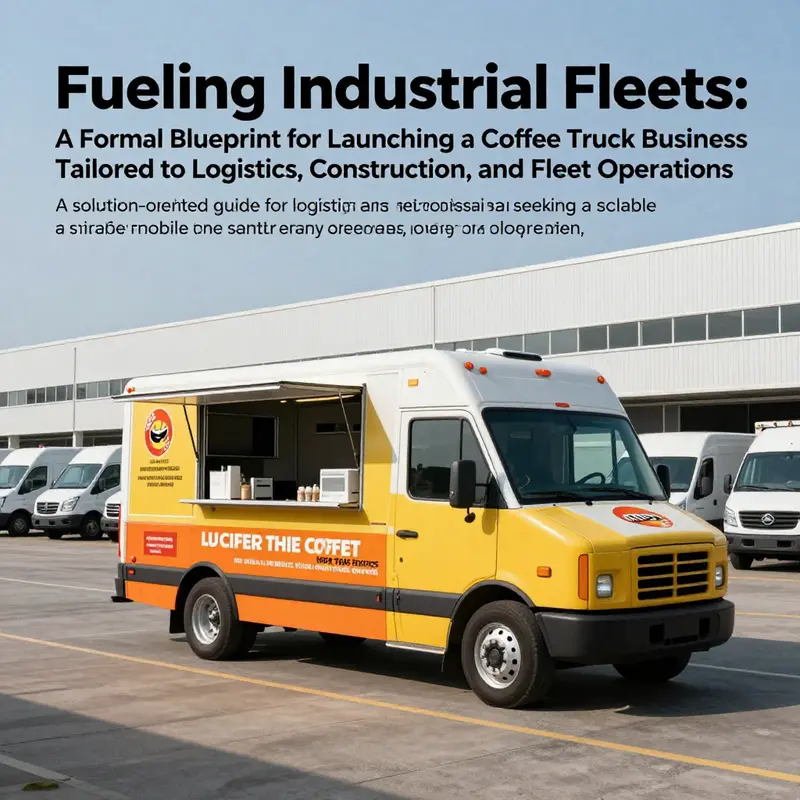
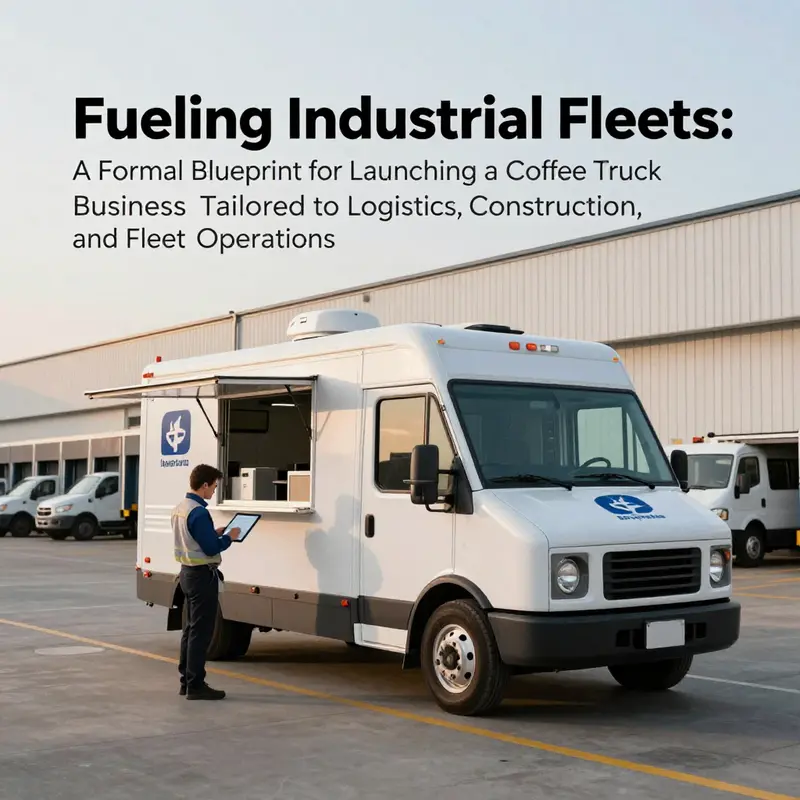
The convergence of on-site services and mobile hospitality presents a strategic opportunity for logistics, construction, and fleet-driven enterprises. A coffee truck business designed for industrial environments can enhance workforce welfare, improve break-time productivity, and deliver predictable, recurring revenue when aligned with procurement, facilities, and safety protocols. This guide translates established practices in mobile food service into a framework designed for fleets, distribution centers, job sites, and large campuses. Each chapter builds a practical, action-oriented plan—from market research and vehicle design to equipment selection, compliance, and brand-driven appeal—so that fleet managers, facilities directors, and industrial distributors can adopt a scalable approach with clear ROI. By treating the coffee truck as a value-added utility rather than a stand-alone amenity, organizations can optimize location strategy, streamline maintenance and energy use, and coordinate with existing logistics workflows. The chapters that follow are designed to thread together a coherent, end-to-end program: understanding demand and niche fit within an industrial context; selecting and customizing a vehicle that withstands high-throughput environments; deploying reliable equipment and inventory controls; navigating licenses and insurance to minimize risk; and executing branding and location strategies that resonate with industrial stakeholders. This holistic perspective ensures that the coffee truck does not merely serve coffee but becomes an integrated service asset that enhances site operations, employee experience, and supplier partnerships.
Mapping the Market: Defining a Distinct Niche for a Mobile Coffee Truck
Market research for a mobile coffee venture reads like a map of where people move, pause, and decide what to drink. It asks you to observe the local rhythm and to imagine a slightly different experience that fits that rhythm. When you start with solid market intelligence, you don’t just pick a street corner. You craft a premise for your entire business—what you offer, who you serve, where you show up, and why your truck is the place people want to visit again. In urban centers and high-traffic zones, the appetite for quick, quality caffeine on the go has grown, and it isn’t satisfied with a generic cup. A wave of mobile coffee services has emerged, blending speed with distinct flavor profiles and storytelling. Understanding that landscape is the first critical move in turning a coffee truck from a stand-alone vendor into a recognizable, repeatable brand experience. Recent industry data point to a decisive consumer preference for convenience and novelty. A 2024 industry snapshot highlights that a majority of coffee buyers, more than six in ten, favor on-the-go sources for speed, simplicity, and the ability to satisfy a caffeine craving without committing to a sit-down visit. This trend is not just about proximity; it reflects evolving expectations around experience, variety, and consistency in a compact footprint. The implications for your market research are clear: you must identify where your truck is most valued and what you can offer that others do not on those routes and at those times.
To translate this into practical steps, begin with a precise gaze at who you intend to serve. Office workers sprinting through morning routines, tourists exploring parks and waterfronts on weekends, students skimming between classes, or event-goers following a concert lineup—these are not just locations. They are personas with distinct needs. The office crowd often seeks a quick, reliable espresso or a potent cold brew that travels well and costs just enough to be worth the detour. Park-goers and festival attendees tend to value artisanal flavor, interesting toppings or seasonal drinks, and an Instagrammable moment that amplifies their experience. Students look for approachable, affordable options that can be bought in a moment between lectures, while event-goers respond to a vibrant, branded presence and a menu that mirrors the excitement of the occasion. Your market research should map these segments, their preferred beverages, and their price sensitivity.
A practical way to uncover these patterns is to conduct direct, localized observation. Visit potential sites at different times of day and on different days of the week. Note foot traffic volumes, the speed at which lines form, and the kinds of customers who approach your window. Keep a log—not just of numbers but of the qualitative cues: the questions people ask, the way they choose between options, and how much time they are willing to invest in a purchase. When you compare a business district during the morning rush with a park near a popular trail on a weekend, you begin to see how demand shifts and how your offerings could shift with it. The data you collect will later justify decisions about menu breadth, pricing, and service speed.
Competitor analysis follows naturally from these observations. Walk the same routes your truck intends to call on, and study other mobile and stationary coffee options. What are their core offerings? How do they price items, and what incentives do they use to attract repeat customers? How do they communicate with their audience—through signage, social posts, or a quick flirtation with latte art that becomes a signature? The aim is not to imitate but to understand where there is unmet demand. If you consistently see a lack of plant-based options or a scarcity of single-origin emphasis in a certain area, those gaps become your entry points. The key is to avoid direct price wars or menu duplication in crowded spaces. Instead, design a niche that leverages your strengths and speaks to a subset of customers who will value your particular approach.
Defining a niche is where your research turns into a strategic choice. A strong niche does more than differentiate you. It anchors your branding, informs menu development, and guides your marketing story. Possible focal points run the gamut from sustainability and ethically sourced beans to plant-based milk specialization, from speed and efficiency to craft experiences that blend coffee with culture or music. The most successful mobile coffee brands tell a narrative that resonates with their community. They avoid generic “coffee truck” branding and instead present a clear identity—one that customers can articulate and seek out. Industry observations from the National Restaurant Association in recent years show that brands with a distinctive, authentic narrative—whether rooted in sustainable practices, local partnerships, or cultural storytelling—achieve notably higher customer retention than those with generic branding. Your niche should align with both what customers expect in your city and what you personally care about as a business owner. Whether your passion is premium quality, sustainability, or innovative flavor profiles, the right niche turns your truck into a mobile brand that people remember and return to.
As you shape this niche, consider how it translates into the operational and experiential layers of your business. A niche framed around “ethically sourced single-origin beans” might demand relationships with small roasters, on-trend seasonal drinks, and transparent sourcing stories that you share through signage and social media. A “plant-based milk specialist” identity would elevate your milk options, train staff to articulate differences in texture and flavor between oat and almond options, and design a menu that highlights dairy-free pairings with pastries or fruit accents. A theme like “cold brew craft and on-the-go bites” could steer you toward rapid service, compact cold equipment, and partnerships with a local bakery for pastry cross-promotions. The goal is coherence: every drink, every interaction, and every visible cue—color palette, apron style, tent design, music playlist—should reinforce the chosen niche. When customers recognize that coherence, they become familiar, and familiarity breeds the loyalty that sustains a mobile business on crowded streets.
The process of testing and validating your niche deserves deliberate attention. Begin with small-scale experiments, placing the truck in settings that represent your target personas and observing response, not just sales. Short, controlled test periods help you gauge volume, average ticket size, and the popularity of specific drinks or add-ons. The triangle method—testing three different spots over a couple of weeks—offers a simple, data-backed way to identify the best performer. Track metrics beyond revenue: waste, replenishment cadence, and guest feedback. Some mornings will outperform others not because of price but because of weather, foot traffic shifts, or the surrounding scene. Your ability to adapt—adjusting the menu, tweaking hours, or shifting to a different near-by partner location—will become a defining strength of your brand. In conversations with early operators, the most successful ones emphasize that consistency in taste and service remains the backbone of a mobile concept, even as you rotate locations and experiment with offers. This consistency anchors word-of-mouth momentum and social sharing, which in turn fuels repeat visits when a location cycles back into a customer’s routine.
To ground this chapter in real-world context, remember that the market for mobile coffee is not just about proximity. It’s about delivering speed, quality, and an experience that people want to share. A well-defined niche makes those attributes easier to communicate and easier for customers to seek out. It helps you price thoughtfully, design a menu with intention, and plan a route that makes sense for your chosen audience. The data supports the premise: people value mobile, convenient access to good coffee that also offers a sense of personality and story. Your market research thus becomes a living blueprint, guiding your choices from the first drive to the last shelf-stocking day of the month.
External resource for broader context and data-driven validation can be found in the global mobile food truck market literature, which aggregates consumer preferences and growth indicators across regions. For deeper reading on market size and consumer behavior, explore the Statista Global Food Trucks Market Report 2024. (https://www.statista.com/statistics/1327894/global-food-trucks-market-size/)
Design on Wheels: Choosing Your Coffee Truck and Crafting a Layout for Speed, Flavor, and Brand
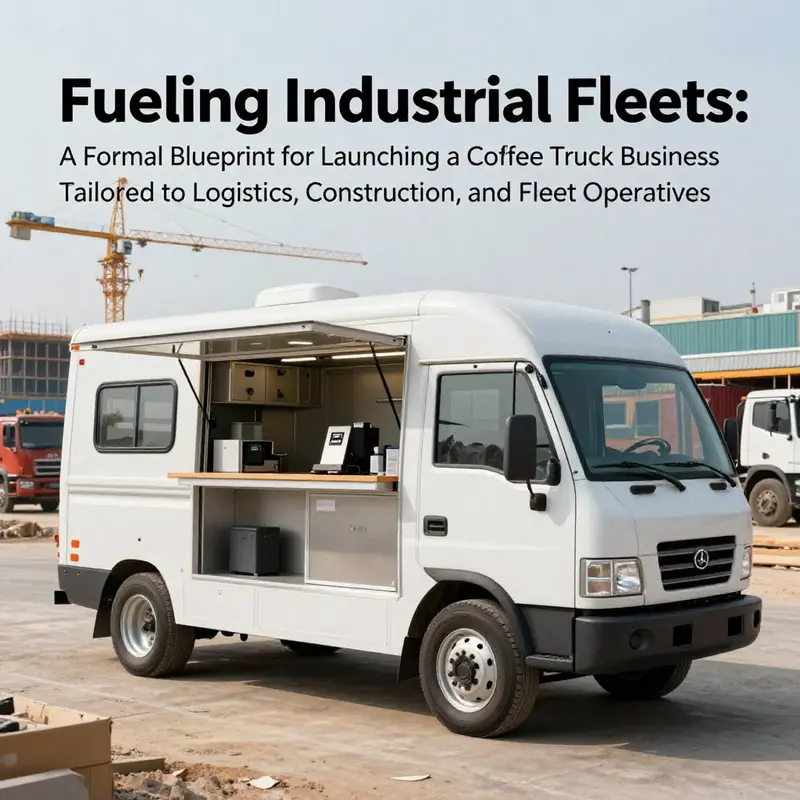
A coffee truck is more than a vehicle; it is a moving blueprint for your brand, a miniature kitchen designed to deliver consistent flavor while curving through the rhythms of a city. The choice of vehicle and the layout you build around it set the pace of your service, the reliability of your drinks, and the stories you tell with every curbside moment. In this chapter, we explore how to pick a form that fits your niche, how to design a efficient interior workflow, and how customization choices become a competitive advantage on the road. The decisions you make about space, power, water, and safety early on will ripple through every shift, every location, and every customer interaction.
First, your vehicle type is the stage on which your menu and your service style will play out. A full motorized coffee truck offers the strongest headroom for equipment, insulation, and branding. It usually provides the easiest path to a predictable interior temperature, stable power delivery, and a visible, professional exterior. A cargo van or a well‑equipped trailer can be a more cost‑efficient path, especially for pilots or operators testing a concept in several neighborhoods. The key is to match the vehicle’s geometry to your anticipated workflow: where you intend to pull shots, steam milk, wash down, and restock. You should consider the length and width of the service window, the reach between the espresso area and the customer, and the ability to house backup supplies without crowding the work zone. In all cases, plan for a robust electrical backbone, because coffee service relies on reliable power for grinders, pumps, refrigeration, and purification systems. The typical expectation is a substantial electrical load, and you should design the electrical system to handle 6000 watts or more if you plan multiple appliances simultaneously. This is not merely about having enough power; it is about eliminating voltage drops that slow service and compromise quality during peak moments.
Inside the vehicle, space efficiency is a daily discipline. The work flow should mimic a compact kitchen: hot side near the water line, waste disposal at a reachable point, and a service window that allows quick handoffs to customers. A central work zone for the espresso station should be flanked by clean, accessible storage for cups, lids, and syrups, with vertical shelving behind and under-counter storage for frequently used items. Waste management deserves a dedicated, easily accessible area with a lid on a closed bin to control odors and maintain hygiene. Insulation and climate control matter just as much as equipment quality. Temperature stability preserves milk texture, prevents equipment from overheating, and creates a comfortable environment for the barista. Good insulation also supports energy efficiency, reducing the strain on the power system and lowering operating costs over time.
Customization is where a mobile coffee business starts to feel like a brand experience rather than a mere beverage line. Professional cabinetry, corrosion‑resistant countertops, and modular panels that can be swapped for rebranding are wise investments. A modular interior layout helps you adapt quickly to new locations or shifts in your offering—think removable workstations, easily accessible panels for cleaning, and interchangeable lighting that highlights your most popular drinks or seasonal specials. Branding should begin on the exterior and flow inside, from the service window to the countertop finishes to the branding on cups and napkins. A bright, inviting service window framed by durable materials communicates quality the moment a customer approaches. A simple yet sturdy awning is more than shade; it signals a ready-made micro‑culinary space that invites linger and repeat visit. Color, typography, and graphic language should align with your story, whether you’re emphasizing single-origin clarity, plant-based options, or pastry pairings. The more cohesive your interior and exterior branding, the easier it is for customers to recognize and remember your truck as a destination, not just a stall.
Power planning sits at the center of reliable service. Some operators choose an integrated generator, while others rely on a high‑output inverter system fed by a carefully sized battery array. The choice often depends on location reliability, noise considerations, and planned shift length. Regardless of approach, you must design an electrical plan that accommodates lighting, refrigeration, water heating, hot water handwashing, and the espresso group with room to spare for peak loads. A well‑designed electrical backbone reduces downtime and extends the life of your equipment by avoiding overheating and voltage sag during busy periods. To preserve equipment longevity and maintain drink quality, you should install clean power delivery with surge protection, properly rated cables, and dedicated circuits for high‑demand devices. In practice, this means a carefully calculated load estimate during the design phase and a contingency buffer to account for seasonal demand or equipment upgrades.
Water supply and waste handling are equally critical. A reliable freshwater reservoir, a pump with good flow, and an effective filtration system are essential for consistent taste and health compliance. Pair this with a drainage plan that safely disposes of used water and coffee grounds, while meeting local sanitation standards. A compact, integrated handwashing station is not a luxury but a necessity in many jurisdictions, reinforcing your commitment to hygiene and customer trust. You will also need to manage ice, milk storage, and perishable ingredients in a way that minimizes temperature excursions while maximizing space. In some designs, refrigerated storage lives near the back wall of the truck, while dry goods occupy taller, deeper shelving higher up to create a clean, vertical organization that makes stock checks quick and precise.
Safety is another cornerstone of vehicle customization. The modern mobile kitchen must comply with widely recognized standards for ventilation, fire suppression, and safe operation in tight spaces. Ventilation is not optional: it protects staff, products, and customers from heat and smoke, and it preserves air quality inside the cabin. A robust vent hood system, properly installed and certified, works in concert with an automatic fire suppression system and appropriate clearances around the espresso equipment. These systems are often a prerequisite for health inspections and certain event venues, so they should be treated as core components of any build, not afterthought add‑ons. The design should anticipate maintenance needs: unobstructed access to filters, cleanable ducts, and removable panels that allow for quick cleaning between shifts. The result is a space that can be kept sterile with minimal disruption to service—one where a barista can maintain performance and pace with confidence.
When it comes to choosing between a truck, a trailer, or a hybrid setup, the tradeoffs crystallize around visibility, accessibility, and cost. A motorized truck generally offers higher branding impact, better interior space, and fewer parking constraints in busy zones. Trailers and portable carts can be appealing in dense urban cores where parking is scarce or where you want lower upfront costs. Your decision should hinge on anticipated routes, the kinds of venues you’ll frequent, and how quickly you expect to scale. In any case, the layout must be deliberate: the central espresso zone should anchor the space, with water, waste, and power wired to support a smooth, uninterrupted service rhythm. If you are curious about different trailer concepts, you can explore broader industry thinking on intermodal and trailer layouts through industry resources that discuss modular design and adaptability for evolving locations.
A practical budgeting frame helps operationalize these decisions. Converting a vehicle ranges widely—from a lower‑cost, basic setup with a used vehicle and second‑hand gear to a fully equipped mobile cafe with premium finishes and advanced utilities. A mid‑range path often places the total somewhere in the few‑to‑ten‑thousand‑dollar range for equipment and fit‑out, depending on scale, but costs can climb quickly with custom cabinetry, climate control, and high‑quality refrigeration. Training costs for barista certification or safety courses can add modestly to the budget, but the long‑term payoff is in consistency, speed, and confidence behind the window. This is where the return on investment becomes tangible: a well‑designed, well‑equipped truck can deliver a reliable, repeatable experience across dozens of pop‑ups and events, which compounds into a loyal customer base.
To connect these design principles with real-world choices, study how some operators approach the build as a staged process. Start with a minimal viable footprint that proves your concept at a few pop‑ups, then expand into modular upgrades that can be swapped in and out as locations or seasons change. As you prototype, keep your eyes on three practical metrics: workflow efficiency, service speed, and cleanliness. A smooth workflow minimizes wasted steps, faster service boosts ticket volume, and cleanliness maintains compliance and drives repeat business. The more you align your physical space with your service strategy, the more your truck becomes an active storyteller—one that communicates flavor, efficiency, and care in every touchpoint.
For readers who want a current, design‑focused reference on best practices in coffee truck layout, the field has produced comprehensive overviews that emphasize the kitchen‑triangle workflow, storage optimization, and robust utility integration. The core idea remains simple: the vehicle should disappear as an obstacle and support the craft as if the barista were working in a fixed cafe, only in a smaller, more dynamic footprint. The end result is a mobile space that can consistently produce great coffee, with a branding experience that travels as smoothly as the espresso stream itself. If you are planning locations with strict standards, or you anticipate working in venues with particular safety or sanitation rules, remember that early alignment with those requirements saves backtracking later. Your vehicle design then becomes not just a shop on wheels, but a living, adaptable platform for taste, service tempo, and brand storytelling.
Internal link for further design inspiration: Stoughton Trailers Intermodal Innovations. This resource offers perspectives on how modular trailer concepts and durable construction can inform mobile kitchen design and branding strategies, even if you ultimately choose a truck over a trailer.
As you finalize the concept, keep an eye on the intersection of practicality, safety, and brand storytelling. The correct vehicle choice and a well‑considered interior layout are the most scalable investments you can make early in your journey. They dictate not only how fast you can serve but how clearly you communicate your idea to the world. When the design feels right, the service feels effortless, and customers begin to associate your truck with a precise, dependable experience. That association is the essence of turning a mobile coffee operation into a lasting, walk‑up brand that travels as reliably as the coffee it serves. For operators who want a regulatory compass as they scale, consult state and local guidelines early in the planning phase to align your build with health, safety, and zoning expectations. A grounded plan today prevents costly redesigns tomorrow and keeps your journey on the road toward a thriving, scalable coffee truck business.
External reference: CDPH Mobile Food Facility Program guidance and permit information provides authoritative standards for mobile operations and can help you navigate the safety and sanitation requirements as you design your truck or trailer: https://www.cdph.ca.gov/Programs/CFE/DCP/Programs/MobileFoodFacility/Pages/default.aspx
From Grind to Go: Crafting Equipment, Inventory, and Operations for a Winning Coffee Truck
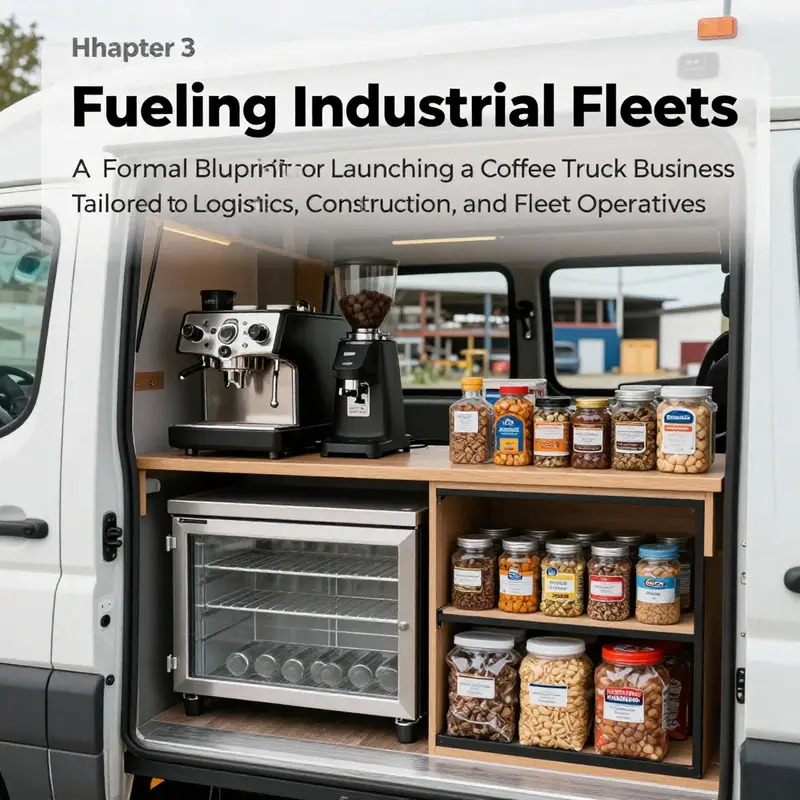
A coffee truck is a compact, high-output workshop on wheels, where every choice of equipment, every bag of beans, and every routine determines the experience a customer walks away with. The chassis of success here is a carefully designed blend of reliable gear, tight inventory discipline, and disciplined daily operations that keep lines moving, drinks consistent, and waste low. The goal is not to cram as much as possible into a small space, but to optimize flow so a barista can craft a great drink in any weather, in any location, with a calm rhythm rather than a frantic scramble. This requires imagining the truck as a rolling micro-kitchen and then mapping out components that fit the space, power constraints, and customer expectations. The central promise is clear: speed without sacrificing quality, warmth without chaos, and a brand promise that travels with you wherever the next shift takes place.
Equipment sits at the heart of this promise. The core setup should include a compact, durable espresso system designed for steady throughput and stable pressure under mobile conditions. A dual-head configuration makes sense for busy periods, allowing two drinks to move through the station without bottlenecks. Pair it with a high-precision grinder that can hold tight grind settings and deliver consistent grind size despite slight changes in temperature or humidity. A dependable water filtration system is essential, since water quality directly affects extraction and taste. Refrigerated storage is a must for milk, cream, and dairy alternatives, plus a small section for perishable adjuncts like fresh fruit or pastries if you offer them. Power is the nervous system of the operation; most trucks rely on a robust on-board power setup, whether from a generator or a battery-based system with an inverter. Aiming for roughly 4 kilowatts of usable power accommodates the espresso equipment, the grinder, and a small coffee-to-water system for precise, repeatable extractions. Flexibility matters here—systems should tolerate a few hours of peak demand, then coast during slower periods while recharging. Insulation and climate control deserve attention as well. Proper insulation keeps drink temperatures stable, reduces energy draw, and preserves equipment life in extremes of heat or cold. The workflow should be supported by a clean, modular workspace: foldable tables or compact carts that can be rearranged quickly, with storage compartments that keep beans, cups, cleaning supplies, and spare parts within arm’s reach. The cabinetry should be rugged yet accessible, with removable panels that facilitate rebranding or seasonal menu changes without a full rebuild.
Power, water, and ice frame the practical limits of what can be offered on any given shift. When using a generator, selecting one that reliably delivers a steady current is crucial; a quiet, inverter-based option helps keep the street noise footprint reasonable and customer experience calm. For those leaning toward quieter, battery-powered setups, lithium packs paired with efficient inverters can reduce noise and emissions while still delivering the needed burst power for espresso pulls and hot steam. Water logistics matter just as much as electrical: a compact reservoir—think around 14 liters—for brewing and cleaning can simplify on-site logistics, while a modest ice-capable unit helps keep beverages properly chilled during warm days. Ice management becomes part of the service design; consider a portable cooler for storing ice in the back area when switching locations or during longer events. The daily choreography includes pre-filling tanks, charging batteries, and arranging the workstation so every action reduces movement and hesitation.
Inventory is the unseen engine that keeps service smooth and predictable. Beans should be selected with a clear plan for freshness and consistency, ideally sourced from roasters that can offer rotating single-origin or blended offerings while maintaining a steady supply. A rotating stock can keep menus interesting without creating waste, and bulk purchasing can lower per-cup costs—though it must be balanced with careful turnover. Dairy and non-dairy options deserve equal attention; a compact refrigeration unit should hold whole milk, plant-based milks, and any specialty items, with shelf-stable alternatives available for contingencies. Syrups and flavorings add personality to drinks without bloating the menu; keep a curated set in small formats to minimize waste. For cold beverages, a ready-to-use cold brew concentrate or a simple cold-brew setup can extend the menu without tying up baristas for long stretches. Packaging decisions are equally important, favoring options that support sustainability and meshing well with a grab-and-go flow. A deliberate approach to inventory tracking—using simple cloud-based or spreadsheet systems—helps prevent overstock, reduces waste, and flags expiration dates before they impact quality. Regular audits, even quick weekly checks, keep stock at optimal levels for the anticipated volume.
Operations, at its core, is the rhythm that converts gear and stock into a reliable, repeatable experience. Opening routines should be crisp: pre-fill water, load ice, check battery levels, and inspect the workstation for cleanliness and readiness. Establish standardized recipes so that a latte or a flat white has the same strength and texture across shifts, regardless of who is behind the machine. A simple, fast POS system helps process orders and payments with accuracy, while screen prompts and digital tickets reduce miscommunication in busy moments. The service workflow should emphasize speed without sacrificing craft: preheat and pre-brew where possible, calibrate grind size and tamping pressure to align with the day’s coffee profile, and maintain strict hygiene practices. After each shift, a routine clean-down of steam wands, counters, and waste areas preserves safety and flavor quality. Training plays a pivotal role here; a small, well-structured onboarding plan reduces errors and accelerates new-hire competence.
Engaging customers extends beyond the cup. A thoughtful service approach—offering samples of seasonal drinks, inviting photos for social feeds, and encouraging loyalty via a simple digital program—helps build a community around the truck. The brand story travels with the equipment and the routine; every shift is a micro-event that communicates care, consistency, and a sense of place. Because a coffee truck moves from one footprint to another, branding must be built into the vehicle itself: signage, color, and typography that can travel and be rebranded quickly with modular panels or lightboxes. A solid internal culture matters as much as the external one. To reinforce this, consider where you place your emphasis on people—the crew behind the window should feel valued and trained to uphold the standard, a point underscored by industry practice that recognizes investing in people as a central driver of long-term success in mobile operations. Investing in People—a New Path for Trucking Fleets is a reminder that the best equipment is only as strong as the team that uses it.
Of course, compliance and risk control cannot be left to chance. Licenses and permits for mobile food vending must be secured before the first shift, and an appropriate level of insurance shields the venture from common incidents on the road. A well-planned approach to health and safety—clear handling procedures, sanitation schedules, and routine equipment maintenance—reduces downtime and protects both customers and staff. It is equally important to have a pragmatic pricing and cost-tracking framework. Calculate cost per cup by including ingredients, packaging, labor, and overhead, then apply a reasonable margin while staying sensitive to market expectations. The specifics will depend on location and volume, but the discipline remains constant: operate cleanly, price transparently, and deliver a consistent experience that earns repeat visits. In the longer arc of building a mobile coffee business, the equipment, inventory, and operations trio sets a foundation that can scale. Start simple, refine daily routines, and gradually expand capabilities as revenue and demand grow.
For broader guidance on the regulatory and startup landscape for mobile food ventures, the National Restaurant Association offers a comprehensive guide that complements this chapter’s focus on equipment and operations. The resource helps clarify permits, inspections, and best practices for mobile vendors, enabling a smoother path from concept to first polish of service.
Chapter 4: Navigating Legal Ground: Compliance, Licensing, and Insurance for a Coffee Truck Business
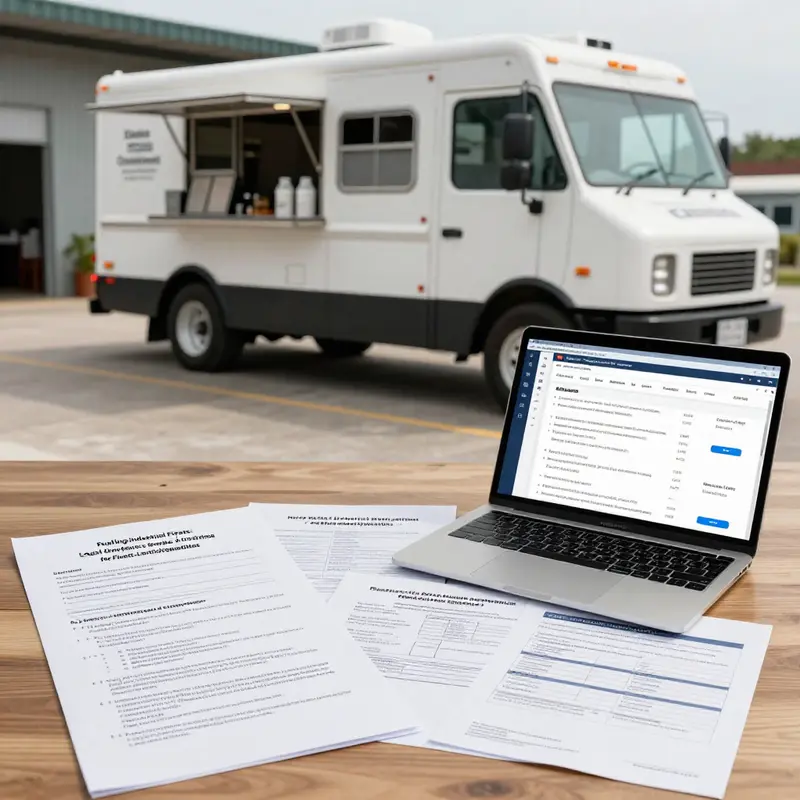
Choosing to operate a coffee truck places you on a platform where creativity can meet regulation, and success depends as much on paperwork as on the quality of the cup. The legal and regulatory path is not merely a checkbox exercise; it shapes your ability to trade, protect your assets, and scale with confidence. The first decision is choosing a legal structure. A sole proprietorship may be simple to start, but its liability protection is limited. A partnership spreads risk and rewards with a partner, yet demands clear working agreements. An LLC offers a cushion of personal liability protection while preserving tax flexibility, and a corporation might suit more complex growth plans or investor involvement. Each form changes how you report income, how you pay taxes, and what personal assets you risk in a worst-case scenario. This choice will color every future step, from bank accounts to insurance requirements, so it deserves thoughtful consideration, ideally with professional guidance aligned to your local context. Once you decide, you next register your business name with your state government. This step creates a distinct legal identity for branding and banking and helps you avoid confusion with other sellers in your market. An Employer Identification Number, or EIN, from the IRS is typically necessary to open a business bank account, hire staff if you scale, and file taxes. Even as a sole operator in the early days, obtaining an EIN can streamline financial management and set the stage for smoother growth.
With the business structure and registration in place, you move into the maze of licenses and permits that keep your operation compliant and trustworthy in the eyes of customers and regulators. A general business license from your city or county is usually the baseline requirement for any commercial activity. A food service permit, issued by your state or local health department, confirms that your preparation and handling practices meet food safety standards. A seller’s permit, which tracks the tax obligations on goods you sale, is essential if you will collect sales tax. Depending on where you operate, additional authorizations may be needed, such as a mobile food vendor permit that recognizes the mobile nature of your business or permits specific to festivals, farmers’ markets, or special events. The exact mix and renewal schedule vary by jurisdiction, so it pays to map out a compliance calendar early and revisit it as your location strategy evolves. Keeping notes on permit conditions, inspection dates, and expiration timelines creates a reliable system that reduces the risk of a shut-down or fines and makes it easier to scale across neighborhoods or regions.
Insurance is often the most overlooked pillar of a coffee truck, yet it embodies prudent risk management that protects both the business and the people you serve. Commercial auto insurance is essential because your vehicle is not a private car and your operations involve business use, multiple locations, and public interaction. General liability insurance protects against claims of bodily injury or property damage that could arise from a spill, a customer trip, or a faulty latte art moment that leads to paper cups slipping from hands. Product liability insurance covers claims related to food-related illnesses or contamination, a safeguard that resonates with customers in a market increasingly conscious of food safety. If you hire employees or independent contractors, workers’ compensation insurance becomes a legal requirement in many places and a practical shield against medical expenses and wage loss. You might also consider business interruption insurance, which can help cover ongoing expenses during unforeseen downtime, such as a temporary vehicle setback or a location ban during a festival. Bundling policies with a single insurer or a broker who understands mobile food operations can simplify underwriting and ensure you have coherent coverage that matches your specific risk profile.
As you design the legal and insurance framework, you begin to align compliance with your day-to-day operations. This alignment is less about ticking boxes and more about building a culture of safety, transparency, and reliability. A compliance calendar is an indispensable tool: it captures renewal dates for licenses, inspection windows, and permit hierarchies so nothing slips through the cracks. A well-kept record system—digital and organized—supports smoother cost reporting, easier tax preparation, and faster onboarding of any new team members as you grow. You should also consider supplier and vendor compliance, especially around sourcing and labeling for consumables. Even as a mobile operator, you are responsible for maintaining appropriate temperature controls, proper storage for dairy and perishable goods, and clear allergen information where applicable. The quality of your coffee depends as much on these practices as on your roasting or brewing choices, and customers reward consistency with loyalty that travels with them between locations.
In the broader regulatory landscape, it is valuable to view licensing and insurance as ongoing commitments rather than one-off hurdles. Regulations can change with shifts in city leadership, health department priorities, or new state-level requirements, and your ability to respond quickly determines your resilience. For guidance that spans borders and markets—helpful when you contemplate trips to fairs, events, or regional road trips—consider resources that summarize common regulatory checkpoints and offer practical checklists. For a structured, jurisdiction-specific roadmap and deeper explanations of federal and state interfaces, you can consult the guidance that organizations provide to small food businesses. That external perspective can illuminate gaps you might not anticipate, such as how to manage temporary event permits alongside permanent mobile licenses, how to document food safety trainings for staff, or how to coordinate with venue operators on shared health standards. For a broader context that complements your local research, you might also explore cross-border insights on regulatory challenges and how they shape mobile operations across markets.
In practice, the path to compliance unfolds through disciplined, routine action. Create a simple onboarding packet for any future staff or partners that outlines your chosen legal structure, the EIN, the license trail, and the insurance pieces in place. Maintain a folder of documents for each location where you operate, including a copy of your health permit, proof of insurance, and the latest inspection reports. When you plan to operate at a new site, verify that the site’s own requirements align with your licenses and permits; some venues require additional approvals or specific vendor relationships. This diligence prevents awkward moments at intake or, worse, a fine or a shutdown that interrupts your service. It also signals to hosts, park managers, campus administration, and event organizers that you take food safety, accountability, and customer protection seriously—an essential trust-building factor for moving from a single truck to a branded network.
To ground these considerations in a practical path forward, you can view a consolidated overview of regulatory topics through a well-regarded industry resource that demystifies licensing and permits for mobile food businesses. For a deeper dive into how regulations intersect with market opportunities, see the discussion titled Navigating Cross-Border Challenges: Key Insights at the linked industry resource. This reference offers broader context on regulatory interplay and can help you anticipate how changes in policy might affect location strategies, seasonal operations, or festival participation. Internal links like this can help you frame a broader strategy without overwhelming your day-to-day planning with irrelevant details.
Ultimately, the journey from concept to compliant, insured coffee truck hinges on disciplined, proactive management. Start by selecting a structure that fits your risk tolerance and growth aspirations, then secure state registration and an EIN to open the financial pipes of your enterprise. Layer in the required licenses and permits with a forward-looking renewal plan, and couple that with robust insurance that reflects both the vehicle and the food service you provide. Build a practical record-keeping system that travels with you across locations, and integrate ongoing training and safety culture into every shift. When you align your legal and insurance foundations with a clear location and service strategy, you create a platform that not only serves excellent drinks but also earns the trust of customers, hosts, and regulators alike. The result is a coffee truck that can explore more streets, host more events, and scale with intention rather than risk.
External resource: https://www.sba.gov
Brand on Wheels: Crafting a Distinct Mobile Coffee Identity, Magnetic Marketing, and the Right Route to Location Strategy
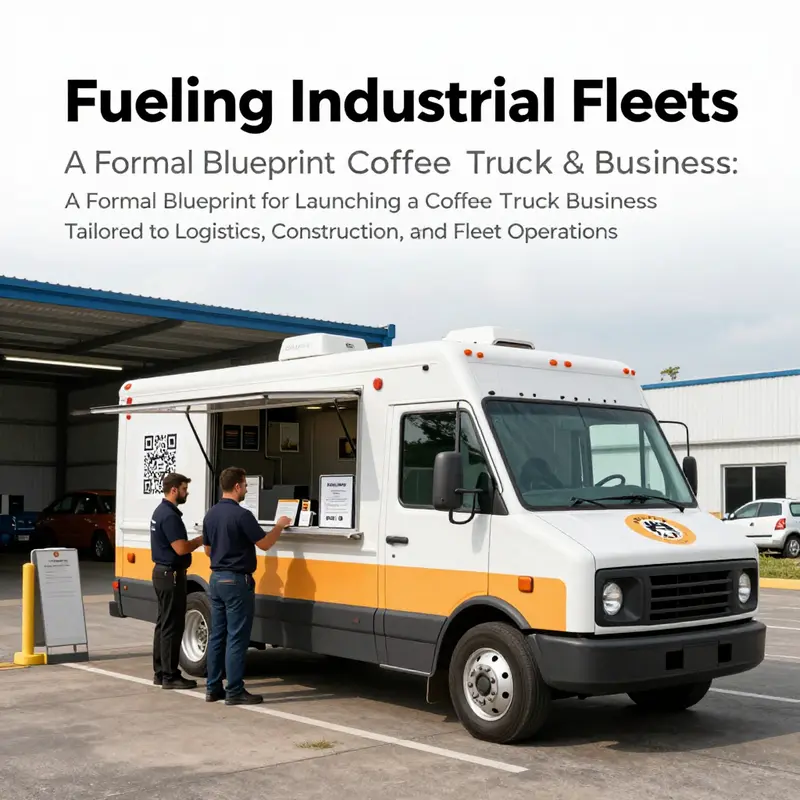
A coffee truck is more than a machine on wheels—it is a moving brand, a live experience, and a test of whether your concept can travel as confidently as your coffee. Branding, marketing, and location strategy are not separate flints you strike at different times; they fuse into a single, kinetic system that sends a clear message to every passerby and every potential partner. The truck’s exterior, the way you pour, the stories you tell, the hours you keep, and the places you return to all talk to the same audience in a shared language. If you want to build loyalty, you must choreograph these elements so they reinforce one another, forming a recognizable silhouette in the crowd of caffeine options. In practice, this means starting with a precise brand identity, translating that identity into a marketing rhythm, and then letting the cadence guide where you stage your operation. The result is not only higher sales but a genuine mobile culture that people seek out, week after week.\n\nBranding begins with a focused definition of who you serve and what you promise in every cup and interaction. A successful mobile coffee brand crystallizes a niche rather than trying to be all things to all people. You might choose a premium positioning, emphasizing high-end beans, precise extraction, and elegant, minimal packaging that communicates quality without shouting. Alternatively, you could lean into a community-centric angle, highlighting local sourcing, friendly service, and a warm, welcoming truck design that invites linger and conversation. Either path works when it is coherent across every touchpoint. The truck itself becomes the primary billboard: shape, color, and graphics must be distinctive enough to stop feet in motion and invite a closer look. The signage should be legible from a distance, but the wrap and branding should also reflect the interior workflow—how you source beans, how you grind, how you pour—so that the visible exterior aligns with the taste inside. Consistency grows trust, and trust converts casual foot traffic into recurring customers.\n\nVisual identity is not a cosmetic afterthought; it is the language that tells your story before a word is spoken. A bold, cohesive color palette, carefully chosen typography, and a few signature design motifs create an instantly recognizable persona. The narrative you embed in visuals—whether through murals, hand-painted accents, or digitally printed artwork—should echo your sourcing ethics, your craft ethos, and your commitment to sustainability or speed, depending on your chosen niche. The packaging deserves equal care. Cup sleeves, napkins, and lids should carry your logo, a concise message about your unique value, and a memorable tagline that customers can repeat to their friends. The consistent application of this identity across uniforms, menus, and even the way you present your espresso makes the entire operation feel intentional rather than improvised. When customers encounter a unified brand, they feel confident buying again, because they sense a dependable standard beneath the surface variety.\n\nStorytelling is the invisible thread that binds branding to loyalty. A credible origin story—whether it centers on a commitment to fair-trade beans, a family coffee ritual, or a mission to serve the best morning moment in busy neighborhoods—gives customers a reason to invest emotionally in your cup. Narratives should permeate social media, your website, and in-truck conversations. Share short, authentic snippets about your farmers, your roasting partners, or your day-to-day routine. People remember stories more readily than features, so frame your menu around the arc of that story: the beans you choose, the techniques you practice, the seasonal drinks you unveil as chapters in a larger ongoing plot. This storytelling enhances perceived value, setting the stage for price psychology that supports premium positioning without alienating everyday customers. Above all, authenticity matters. Customers can sense when a tale rings hollow, especially in the coffee space where transparency about sourcing and process is increasingly important to buyers.\n\nMarketing, then, becomes the practical engine that turns branding into consistent traffic. A robust digital presence need not be overwhelming; it should simply reflect the truck’s character in real time. Daily updates about your location, the drinks you’re experimenting with, and glimpses behind the scenes keep existing followers engaged and attract new ones through local discovery. Short-form video is a natural fit for the mobile format: latte art clips, quick demonstrations of a brewing method, or a time-lapse from empty lot to bustling curbside. Local discovery hinges on timely, location-based content; a well-timed post announcing your morning route in a business district or a campus pop-up can translate to a spike in conversions. In addition to social channels, consider a streamlined ordering option, whether through QR codes at your stand or a simple app-enabled system. Pre-orders reduce line times, increase average tickets, and improve the customer experience in environments where crowds move fast.\n\nEngagement with the community multiplies your presence. Participating in farmers’ markets, street fairs, corporate events, and campus activities creates touchpoints with new customer segments while reinforcing your brand’s values. Craft limited-time beverages tied to the event or season to drive urgency and collect feedback that sharpens your future menu. Loyalty programs remain one of the most reliable levers for retention. A straightforward stamp or points system, integrated with your POS, rewards repeat visits and increases the likelihood of word-of-mouth referrals. You can also design partnerships that extend your reach. Cross-promotions with pastry shops, bookshops, or gyms help you tap audiences you might not reach through coffee alone. These collaborations should feel natural, enhancing the customer’s overall experience rather than appearing as one-off sponsorships. In time, a well-run loyalty program plus valuable collaborations can create a network effect—customers seeking out your truck specifically because they know they’ll encounter curated experiences and reliable quality.\n\nLocation strategy is the third pillar that binds branding and marketing into a practical, repeatable system. The core premise is simple: being in the right place at the right time matters more than staying in a single spot. The triangle approach—testing three distinct locations over a couple of weeks and comparing performance—forces you to rely on data rather than ego. The objective is not merely high foot traffic but high conversion: a crowded curb with long queues is valuable only if those customers actually buy. This requires thoughtful menu design, quick service, and a clear, consistent message about why your truck stands out in that environment. When you map possible sites, consider the customer profile you want to attract: morning commuters in office clusters, students between classes, or families at weekend events. Each group responds to different cues, so your drink selection, pricing, and speed of service should reflect the location’s rhythm. In practice, you may discover that your strongest revenue comes not from the most visited area but from a well-targeted spot where your branding speaks directly to the audience.\n\nLegal and regulatory awareness is an essential, quiet partner to branding and location. A strong identity can back a location strategy that complies with street vending permits, health codes, and parking constraints. The practical dimension of branding—clear signage, efficient workflow, and predictable service times—reduces risk in busy zones and strengthens your reputation with local authorities and partners. When you plan your route, you will benefit from understanding the permit landscape and scheduling accordingly. The prospect of a misstep here is not only financial but reputational, because repeated permits challenges can interrupt momentum built through branding and marketing. For readers who want a pragmatic entry point, pragmatic resources on permitting and compliance can guide early planning and testing, such as practical guidelines tied to mobile food operations, which complement the branding and location strategy described here. As you map out where to park and when to operate, it helps to consider the broader regulatory context so your brand journey remains smooth and sustainable. For example, in the spirit of pragmatic industry guidance, you might consult resources like Regulatory relief for winter storms trucking to appreciate how complex rules can ripple into mobile ventures and how to navigate them with confidence.\n\nThe synergy of branding, marketing, and location is not abstract theory; it is a practical playbook for testing, learning, and scaling. Start by clarifying a niche that your truck will own, then translate that niche into visuals, language, and packaging that feel inevitable to the customer. Build a marketing cadence around authentic storytelling, social and local engagement, simpler ordering, and loyalty that rewards repeat visits. Finally, treat locations not as static backdrops but as dynamic channels that you continuously optimize. Rotate through promising sites with a disciplined, data-informed eye. Track what works: the number of cups sold per hour, the average ticket, and the rate at which new customers become repeat customers. Track what does not: the spots where you linger but fail to convert or the beverages that fail to land in a given crowd. With discipline, your mobile coffee truck becomes more than a business; it becomes a recognizable, trusted experience that people seek out in their daily routines. In the end, the blend of brand essence, marketing energy, and location intelligence will determine how gracefully your truck can move from pop-up to staple in your city’s coffee map.\n\nTo deepen planning and execution, many operators stitch these elements to a practical operating rhythm. Regularly refresh your top-line concept to reflect evolving tastes and seasonal opportunities, keep menus tight to preserve speed, and continuously test new visual expressions on the truck wrap and signage. The aim is to develop a cohesive, flexible system that can adapt to new neighborhoods, events, and partnerships without sacrificing brand clarity. If you treat branding as the backbone, marketing as the heartbeat, and location as the legs that keep you moving, you create a sustainable cycle where every shift reinforces the last. This integrated approach turns a coffee truck into a portable destination—the kind of presence that customers anticipate, talk about, and return to, day after day.\n\nFor readers planning next steps, consider a compact, action-oriented framework: define your niche and narrative in one page, sketch two or three color schemes and a few logo concepts, outline a 60-day social plan with weekly events, and identify three favorable locations to test in the first quarter. Then run small pilot days, collect simple metrics, and let those numbers guide your refinements. The process should feel iterative, not invasive. Your aim is a brand that travels with confidence, a marketing voice that remains authentic under pressure, and a location strategy that preserves momentum through changing seasons and shifting urban rhythms. When these pieces align, your coffee truck becomes not only a source of caffeine but a signal that your enterprise is built to endure—and to grow—on wheels.\n\nExternal resource for further guidance on planning and licensing can be explored through the National Restaurant Association’s mobile food truck guide, which offers checklists, sample plans, and state-specific licensing information to supplement the approach outlined here. NRA mobile food truck guide.
Final thoughts
A disciplined, fleet-aware coffee truck program requires deliberate alignment across market insight, vehicle design, equipment reliability, compliance, and brand-driven engagement. By defining a niche within logistics and industrial operations, selecting a sturdy, adaptable vehicle, equipping for high-throughput service, adhering to regulatory standards, and executing targeted location strategies, organizations can turn a mobile coffee concept into a scalable, repeatable service asset. The outcome is a reliable, vendor-agnostic offering that supports workforce welfare, productivity, and supplier relationships while delivering measurable ROI and sustainable growth across multiple industrial sites.