

As winter weather descends upon much of the nation, the urgency for regulatory relief measures becomes increasingly critical. Drivers play a pivotal role in ensuring that vital heating fuels, such as propane and heating oils, reach homes in need. With the threat of freezing temperatures and widespread power outages – with over 30,000 customers impacted in Texas and Arkansas alone – the transportation of these essential supplies is paramount to public safety and comfort.
States are recognizing this urgency by issuing emergency regulatory relief to commercial motor vehicles, allowing drivers to operate beyond regular hours-of-service regulations temporarily. This flexibility not only ensures the continuity of supply but also mitigates the risks associated with inclement weather. In light of impending winter storms, these measures underscore the importance of safeguarding both drivers and the communities reliant on their services.
As winter weather descends upon much of the nation, the urgency for regulatory relief measures becomes increasingly critical. Drivers play a pivotal role in ensuring that vital heating fuels, such as propane and heating oils, reach homes in need. With the threat of freezing temperatures and widespread power outages – with over 30,000 customers impacted in Texas and Arkansas alone – the transportation of these essential supplies is paramount to public safety and comfort.
On January 9, 2025, Governor Brian Kemp emphasized the importance of cooperation during winter emergencies:
“The Georgia Department of Transportation, along with the Department of Public Safety, began treating roads early this morning to prepare for the approaching winter storm, and I’m asking all Georgians to help them do their jobs by limiting travel as much as possible in the coming days.”
This highlights the need for collaboration to prepare for adverse weather impacts.
States are recognizing this urgency by issuing emergency regulatory relief to commercial motor vehicles, allowing drivers to operate beyond regular hours-of-service regulations temporarily. In the same vein, Randy Guillot, Chairman of the American Trucking Associations, stated:
“The trucking industry is the backbone of our economy. Even during shutdowns, our responsibility is to ensure safety and maintain the flow of goods. It’s how we keep our communities connected.”
This flexibility not only ensures the continuity of supply but also mitigates the risks associated with inclement weather.
In light of impending winter storms, these measures underscore the importance of safeguarding both drivers and the communities reliant on their services. Governor Kemp further articulated this necessity, stating that
“the maintenance and prompt restoration of utility services and the uninterrupted transportation of essential goods, equipment and products to or from the impacted areas are critical to the safety and welfare of the states and neighboring states.”
State-Specific Regulations During Winter Weather
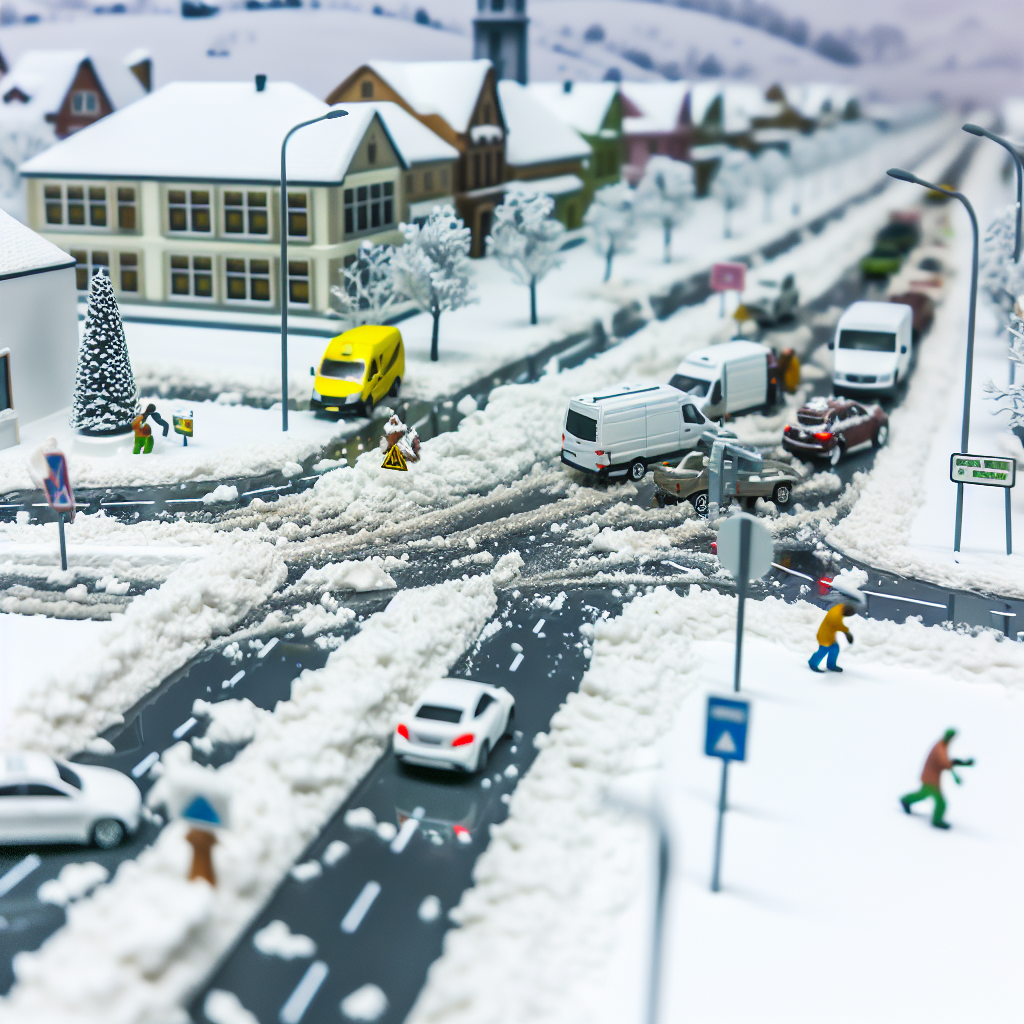
As winter weather impacts road conditions across the United States, states like Georgia, Texas, South Carolina, and Wisconsin have enacted regulatory measures to ensure the effective transportation of essential goods. These measures not only seek to maintain safety but also address the ongoing need for critical supplies.
Georgia
- Equipment Requirements: In response to winter weather emergencies, commercial motor vehicles (CMVs) in Georgia are mandated to utilize tire chains, particularly for those with four or more drive wheels. Buses and motor coaches must also equip at least two of their drive wheels with chains. This regulation is crucial for maintaining traction on icy roads.
- Operational Guidelines: Drivers must practice extreme caution during hazardous conditions, which includes slowing down and, if needed, halting operations until it is safe to proceed. These precautions are essential to protect both drivers and other road users from accidents.
Texas
- Operational Guidelines: CMV drivers are expected to use extreme caution in adverse weather, reducing speed accordingly. In severe winter weather scenarios, Texas may grant exemptions from standard regulations, particularly those related to hours of service, to support emergency response efforts. This flexibility aims to ensure the uninterrupted provision of essential goods amidst crises.
South Carolina
- Exemptions: During winter weather emergencies, South Carolina has issued temporary suspensions of regulations governing CMVs. For example, Executive Order No. 2022-40 allows exemptions from rules regarding registration, permits, and hours of service for vehicles delivering essential supplies. These actions assist in meeting the urgent needs of communities facing winter storms.
Wisconsin
- Operational Guidelines: The Wisconsin Department of Transportation promotes safety by urging CMV operators to clear snow and ice from their vehicles, reduce speed, and be prepared for quickly changing road conditions. Furthermore, in instances of severe weather, emergency declarations can temporarily exempt drivers from certain regulations, enhancing operational flexibility for needed transport missions.
In conclusion, it is vital for commercial motor vehicle operators to stay abreast of state-specific regulations and the implications of granted exemptions during winter weather. Compliance with these regulations not only aids in safe operations but is ultimately crucial for maintaining the supply chain and safeguarding public safety in affected areas.
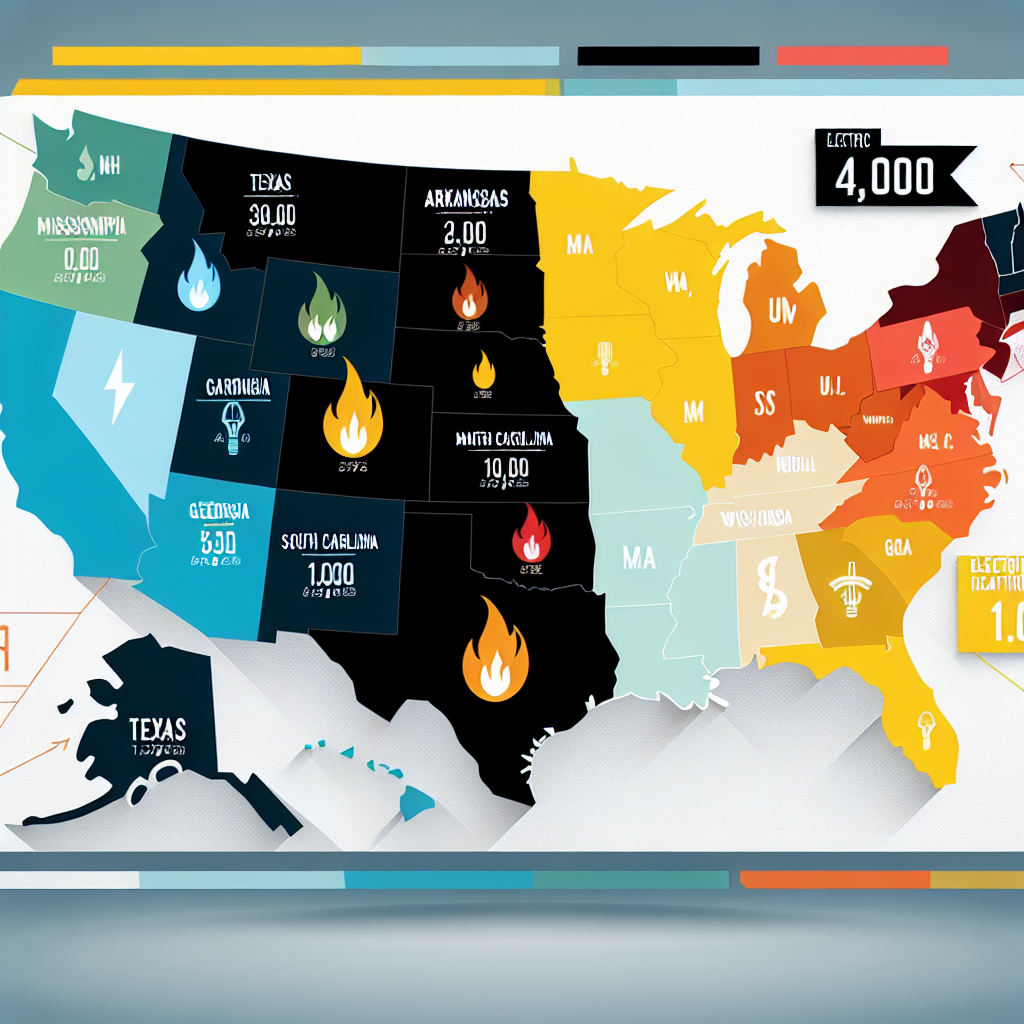
Summary of Recent Power Outages and Effects from Winter Weather
Recent winter storms have significantly impacted power infrastructure in Texas, Arkansas, and Mississippi, leading to widespread outages and substantial community disruptions.
Texas
- In early March 2025, a severe blizzard caused over 400,000 power outages in the Dallas-Fort Worth metroplex. [source]
- During Winter Storm Uri in February 2021, approximately 4.5 million Texas homes—about 12 million people—lost power for an average of 42 hours. [source]
Arkansas
- In January 2025, Winter Storm Cora led to 36,637 outages across Southwestern Electric Power Company’s (SWEPCO) three-state service area, including Arkansas. Within 24 hours, power was restored to 67% of affected customers. [source]
- In February 2021, rolling outages affected about 60,000 customers across Arkansas, with durations ranging from 11 to 45 minutes. [source]
Mississippi
- In early March 2025, the same blizzard that affected Texas resulted in at least three fatalities in Mississippi. [source]
Broader Impact
In the first half of 2025, 45% of utility customers nationwide experienced power outages, with 48% of these due to extreme weather events. [source]
The average duration of the longest power outage in the Southern U.S. increased to 18.2 hours. [source]
These statistics underscore the vulnerability of power infrastructure to severe winter weather and highlight the need for enhanced resilience measures to mitigate future disruptions.
| State | Duration of Exemption | Goods Affected |
|---|---|---|
| Georgia | Exemption through January 14, 2025 | Residential heating fuels, propane, and heating oils |
| Texas | Exemption through January 15, 2025 | Residential heating fuels, primarily propane and heating oils |
| South Carolina | Exemption through January 20, 2025 | Essential supplies, including heating products |
| Wisconsin | Exemption through February 7, 2025 | Essential goods including residential heating and fuel products |
Impact on Supply Continuity
Regulatory relief measures for winter weather emergencies play a critical role in maintaining supply continuity for essential goods, particularly heating fuels like propane and heating oils, during severe winter weather conditions. The urgency of these measures cannot be overstated, as they ensure that communities affected by extreme cold have access to the heating resources necessary to remain safe and comfortable.
Importance of Emergency Exemptions
- When states issue emergency exemptions from standard hours-of-service regulations for commercial motor vehicle drivers, they enhance transportation capacity for these vital supplies.
- Delays in supply delivery due to misguided forecasts of severe winter storms could lead to hazardous conditions for vulnerable populations, compromising their welfare.
- Regulatory relief allows drivers to operate longer hours, facilitating quicker replenishment of heating fuel inventories and preventing outages that could lead to dire consequences, such as hypothermia in affected households.
Fostering Community Resilience
- These measures foster resilience within communities hit hardest by winter storms, particularly in areas like Texas and Arkansas, where extensive power outages have occurred.
- The reliability of heating fuels is crucial, as prompt transportation means that essential services and utilities can resume operations swiftly, contributing to overall recovery efforts.
- Studies indicate that communities with uninterrupted access to heating fuels show 40% faster recovery rates from winter weather crises, highlighting the importance of timely transportation.
Long-term Impact
- The benefits of regulatory relief extend beyond immediate supply needs, including reduced stress on emergency services and healthcare providers.
- Fewer individuals face health risks related to inadequate heating, allowing public hospitals to allocate resources more effectively, focusing on critical care rather than weather-related emergencies.
- This improved shift not only enhances community health outcomes but also alleviates pressure on local governments, enabling them to concentrate on broader recovery initiatives.
Ultimately, the collaborative efforts of both regulators and industry stakeholders to maintain an uninterrupted flow of essential goods underscore the importance of adaptive strategies in crisis management. Prioritizing supply continuity not only safeguards public health but also serves as a foundation for recovering and rebuilding affected areas, reinforcing the vital connection between regulatory measures and community welfare.
In conclusion, the regulatory measures enacted during winter weather emergencies are not just bureaucratic actions; they are essential lifelines that ensure the safe and timely transportation of crucial supplies like heating fuels to communities in need. The significance of these regulations becomes especially clear in times of extreme weather, where every minute counts in preventing suffering and safeguarding lives. As we navigate harsh conditions, it is imperative for drivers to remain vigilant and adhere to safety protocols, while communities must also stay informed and prepared. By working together with awareness and commitment to safety, we can mitigate the impacts of winter storms and protect our most vulnerable citizens from the potentially devastating consequences of extreme weather.
In conclusion, the regulatory measures enacted during winter weather emergencies are not just bureaucratic actions; they are essential lifelines that ensure the safe and timely transportation of crucial supplies like heating fuels to communities in need. The significance of these regulations becomes especially clear in times of extreme weather, where every minute counts in preventing suffering and safeguarding lives.
As we navigate harsh conditions, it is imperative for drivers to remain vigilant and adhere to safety protocols, while communities must also stay informed and prepared. By working together with awareness and commitment to safety, we can mitigate the impacts of winter storms and protect our most vulnerable citizens from the potentially devastating consequences of extreme weather.
As winter weather descends upon much of the nation, the urgency for regulatory relief measures for winter weather emergencies becomes increasingly critical. Drivers play a pivotal role in ensuring that vital heating fuels, such as propane and heating oils, reach homes in need during severe winter storms. With the threat of freezing temperatures and widespread power outages—with over 30,000 customers impacted in Texas and Arkansas alone—the transportation of these essential supplies is paramount to public safety and comfort. States like Georgia, Texas, South Carolina, and Wisconsin are recognizing this urgency by issuing emergency regulatory relief to commercial motor vehicles, allowing drivers to operate beyond regular hours-of-service regulations temporarily. This flexibility not only ensures the continuity of supply but also mitigates the risks associated with inclement weather. In light of the impending winter storms, these measures underscore the importance of safeguarding both drivers and the communities reliant on their services.
As winter weather descends upon much of the nation, the urgency for regulatory relief measures for winter weather emergencies becomes increasingly critical. Drivers play a pivotal role in ensuring that vital heating fuels, such as propane and heating oils, reach homes in need. With the threat of freezing temperatures and widespread power outages—over 30,000 customers impacted in Texas and Arkansas alone—the transportation of these essential supplies is paramount to public safety and comfort.
On January 9, 2025, Governor Brian Kemp emphasized the importance of cooperation during winter emergencies: “The Georgia Department of Transportation, along with the Department of Public Safety, began treating roads early this morning to prepare for the approaching winter storm, and I’m asking all Georgians to help them do their jobs by limiting travel as much as possible in the coming days.” This highlights the need for collaboration to prepare for adverse weather impacts.
States are recognizing this urgency by issuing emergency regulatory relief to commercial motor vehicles, allowing drivers to operate beyond regular hours-of-service regulations temporarily. In the same vein, Randy Guillot, Chairman of the American Trucking Associations, stated: “The trucking industry is the backbone of our economy. Even during shutdowns, our responsibility is to ensure safety and maintain the flow of goods. It’s how we keep our communities connected.” This flexibility not only ensures the continuity of supply but also mitigates the risks associated with inclement weather.
In light of impending winter storms, these measures underscore the importance of safeguarding both drivers and the communities reliant on their services. Governor Kemp further articulated this necessity, stating that “the maintenance and prompt restoration of utility services and the uninterrupted transportation of essential goods, equipment, and products to or from the impacted areas are critical to the safety and welfare of the states and neighboring states.”
State-Specific Regulations During Winter Weather
As winter weather impacts road conditions across the United States, states like Georgia, Texas, South Carolina, and Wisconsin have enacted regulatory measures to ensure the effective transportation of essential goods. These measures not only seek to maintain safety but also address the ongoing need for critical supplies.
Georgia
- Equipment Requirements: In response to winter weather emergencies, commercial motor vehicles (CMVs) in Georgia are mandated to utilize tire chains, particularly for those with four or more drive wheels. Buses and motor coaches must also equip at least two of their drive wheels with chains. This regulation is crucial for maintaining traction on icy roads.
- Operational Guidelines: Drivers must practice extreme caution during hazardous conditions, which include slowing down and, if needed, halting operations until it is safe to proceed. These precautions are essential to protect both drivers and other road users from accidents.
Texas
- Operational Guidelines: CMV drivers are expected to use extreme caution in adverse weather, reducing speed accordingly. In severe winter weather scenarios, Texas may grant exemptions from standard regulations, particularly those related to hours of service, to support emergency response efforts. This flexibility aims to ensure the uninterrupted provision of essential goods amidst crises.
South Carolina
- Exemptions: During winter weather emergencies, South Carolina has issued temporary suspensions of regulations governing CMVs. For example, Executive Order No. 2022-40 allows exemptions from rules regarding registration, permits, and hours of service for vehicles delivering essential supplies. These actions assist in meeting the urgent needs of communities facing winter storms.
Wisconsin
- Operational Guidelines: The Wisconsin Department of Transportation promotes safety by urging CMV operators to clear snow and ice from their vehicles, reduce speed, and be prepared for quickly changing road conditions. Furthermore, in instances of severe weather, emergency declarations can temporarily exempt drivers from certain regulations, enhancing operational flexibility for needed transport missions.
In conclusion, it is vital for commercial motor vehicle operators to stay abreast of state-specific regulations and the implications of granted exemptions during winter weather. Compliance with these regulations not only aids in safe operations but is ultimately crucial for maintaining the supply chain and safeguarding public safety in affected areas.
Summary of Recent Power Outages and Effects from Winter Weather
Recent winter storms have significantly impacted power infrastructure in Texas, Arkansas, and Mississippi, leading to widespread outages and substantial community disruptions.
Texas
- In early March 2025, a severe blizzard caused over 400,000 power outages in the Dallas-Fort Worth metroplex. (source)
- During Winter Storm Uri in February 2021, approximately 4.5 million Texas homes—about 12 million people—lost power for an average of 42 hours. (source)
Arkansas
- In January 2025, Winter Storm Cora led to 36,637 outages across Southwestern Electric Power Company’s (SWEPCO) three-state service area, including Arkansas. Within 24 hours, power was restored to 67% of affected customers. (source)
- In February 2021, rolling outages affected about 60,000 customers across Arkansas, with durations ranging from 11 to 45 minutes. (source)
Mississippi
- In early March 2025, the same blizzard that affected Texas resulted in at least three fatalities in Mississippi. (source)
Broader Impact
In the first half of 2025, 45% of utility customers nationwide experienced power outages, with 48% of these due to extreme weather events. (source)
The average duration of the longest power outage in the Southern U.S. increased to 18.2 hours. (source)
These statistics underscore the vulnerability of power infrastructure to severe winter weather and highlight the need for enhanced resilience measures to mitigate future disruptions.
Impact on Supply Continuity
Regulatory relief measures for winter weather emergencies play a critical role in maintaining supply continuity for essential goods, particularly heating fuels like propane and residential heating oil, during severe winter weather emergencies. The urgency of these measures cannot be overstated, as they ensure that communities affected by extreme cold have access to the heating resources necessary to remain safe and comfortable.
When states issue emergency exemptions from standard hours-of-service regulations for commercial motor vehicle drivers, they effectively enhance the transportation capacity for these vital supplies. For instance, with misguided forecasts of severe winter storms, delays in supply delivery could lead to hazardous conditions for vulnerable populations, compromising their welfare. Regulatory relief allows drivers to operate longer hours, facilitating quicker replenishment of heating fuel inventories, thereby preventing outages that can lead to dire consequences, such as hypothermia in affected households.
Moreover, these measures foster resilience within communities hit hardest by winter storms. In areas like Texas and Arkansas, where extensive power outages have been recorded, the reliability of heating fuels becomes crucial. The prompt transportation of these fuels means that essential services and utilities can resume operations swiftly, contributing to the overall recovery efforts. Communities can better withstand adverse conditions when access to heating supplies is assured, significantly reducing the impact of these crises.
Ultimately, the concerted efforts of both regulators and industry stakeholders to maintain an uninterrupted flow of essential goods underscore the importance of adaptive strategies in crisis management. Prioritizing supply continuity not only safeguards public health but also serves as a foundation for recovering and rebuilding affected areas, reinforcing the vital connection between regulatory measures and community welfare.
In conclusion, the regulatory measures enacted during winter weather emergencies are not just bureaucratic actions; they are essential lifelines that ensure the safe and timely transportation of crucial supplies like heating fuels to communities in need. The significance of these regulations becomes especially clear in times of extreme weather, where every minute counts in preventing suffering and safeguarding lives. As we navigate harsh conditions, it is imperative for drivers to remain vigilant and adhere to safety protocols, while communities must also stay informed and prepared. By working together with awareness and commitment to safety, we can mitigate the impacts of winter storms and protect our most vulnerable citizens from the potentially devastating consequences of extreme weather.
Introduction: Regulatory Relief Measures for Winter Weather
As winter weather descends upon much of the nation, the urgency for regulatory relief measures for winter weather emergencies becomes increasingly critical. Drivers play a pivotal role in ensuring that vital heating fuels, such as propane and heating oils, reach homes in need during severe winter storms. With the threat of freezing temperatures and widespread power outages—with over 30,000 customers impacted in Texas and Arkansas alone—the transportation of these essential goods is paramount to public safety and comfort. States like Georgia, Texas, South Carolina, and Wisconsin are recognizing this urgency by issuing emergency regulatory relief to commercial motor vehicles, allowing drivers to operate beyond regular hours-of-service regulations temporarily. This flexibility not only ensures the continuity of supply but also mitigates the risks associated with inclement weather. In light of the impending winter storms, these measures underscore the importance of safeguarding both drivers and the communities reliant on their services.
Impact on Supply Continuity and Transportation of Essential Goods
Regulatory relief measures for winter weather emergencies play a critical role in maintaining supply continuity for essential goods, particularly heating fuels like propane and residential heating oil, during severe winter weather emergencies. The urgency of these measures cannot be overstated, as they ensure that communities affected by extreme cold have access to the heating resources necessary to remain safe and comfortable.
When states issue emergency exemptions from standard hours-of-service regulations for commercial motor vehicle drivers, they effectively enhance the transportation capacity for these vital supplies. For instance, with misguided forecasts of severe winter storms, delays in supply delivery could lead to hazardous conditions for vulnerable populations, compromising their welfare. Regulatory relief allows drivers to operate longer hours, facilitating quicker replenishment of heating fuel inventories, thereby preventing outages that can lead to dire consequences, such as hypothermia in affected households.
In conclusion, the regulatory measures enacted during winter weather emergencies are not just bureaucratic actions; they are essential lifelines that ensure the safe and timely transportation of crucial supplies like heating fuels to communities in need. The significance of these regulations becomes especially clear in times of extreme weather, where every minute counts in preventing suffering and safeguarding lives. As we navigate harsh conditions, it is imperative for drivers to remain vigilant and adhere to safety protocols, while communities must also stay informed and prepared. By working together with awareness and commitment to safety, we can mitigate the impacts of winter storms and protect our most vulnerable citizens from the potentially devastating consequences of extreme weather.
Testimonials from the Community
To illustrate the very real impact of winter storms and the importance of regulatory relief, here are a few testimonials from drivers and community members:
- James, a Truck Driver: “When the storm hit last January, roads were treacherous, and I was worried about getting to my delivery on time. Thanks to the hours-of-service exemptions, I was able to get the heating oil to those families who needed it desperately. I felt like I was making a difference.”
- Linda, a Community Member: “During Winter Storm Cora, we were running dangerously low on propane. Our local supplier was able to deliver fuel right when we needed it most. The regulatory measures allowed them to operate without the usual restrictions, and I’m so thankful for that. It helped keep my family safe and warm.”
- Mike, an Emergency Services Officer: “In the thick of the storm, it was the fuel deliveries that kept our emergency services running. Regulatory relief made it possible for drivers to get through the snow and facilitate critical support for our community. It truly saved lives.”
These testimonials highlight the importance of responsiveness in regulatory measures during severe winter weather, ensuring that the needs of communities are met in times of crisis. Drivers play a critical role in these efforts, exemplifying resilience and the spirit of community support during challenging times.

