

Balancing Technology and Workforce in the Trucking Industry
In an era where automation and digital tools become increasingly pivotal for operational efficiency, the trucking industry stands at a crossroads. The pressing question is: should fleets prioritize investment in cutting-edge technology or focus more on the human workforce that drives their operations?
Recent insights from industry experts reveal that the answer lies in striking a balance between the two. David Kelly, a prominent figure in trucking, emphasizes that while some are reluctant to embrace digital solutions, the essence of successful freight operations rests upon a people-centric approach.
Kristen Fess, another executive, underscores the importance of cultivating agility within teams, indicating that tools can enhance but not replace the irreplaceable human element. This sentiment is echoed by Jason Belgrave, who warns against viewing automation solely as a cost-cutting strategy; it is also about fostering a culture that values adaptability and employee morale.
As generational values shift and workplace commitments evolve, the long-term success of trucking businesses will depend on their ability to harmonize technological advancements with robust investments in their workforce.
Summary of User Adoption and Barriers in the Trucking Industry
Recent statistics and studies highlight the trucking industry’s ongoing digital transformation, revealing both the adoption of digital tools and the challenges faced by fleet workers.
Adoption of Digital Tools:
73% of trucking companies have implemented digital tools to enhance fleet management, with 65% of operators reporting increased efficiency. Furthermore, 80% consider data analytics crucial for enhancing operations, and 55% of drivers prefer digital platforms for route navigation. This shows a significant trend towards embracing technology in daily operations.
Barriers to Digital Adoption:
Despite these positive trends, challenges remain. In 2022, the American Trucking Research Institute found that only 45% of firms had fully integrated business intelligence tools into their operations. Among those, 30% cited employee resistance as a significant barrier to adoption, indicating that change management strategies are essential. Even as digital solutions are promoted, many firms still rely on outdated maintenance methods. Over 80% of fleets reportedly do not fully utilize digital maintenance tools, indicating potential inefficiencies.
The Human Factor:
Trucking executives emphasize the need for balance between digital innovations and people-focused strategies. For example, after implementing an online ordering platform, 30% of customers still preferred phone calls, showcasing the hesitancy some users have towards digital solutions. The importance of addressing human factors—such as data privacy concerns and resistance to new technologies like driver-facing cameras—highlights that investing in workforce engagement is crucial for successful digital transformation.
Investing in people not only helps to ease the transition towards adopting new technologies but also ensures that employee needs and preferences are acknowledged and valued, ultimately leading to a more effective and adaptive workforce in the trucking industry.
| Factor | Digital Tools | People-Focused Strategies |
|---|---|---|
| Employee Engagement | Variable; often reduced without human touch | High; fosters teamwork and morale |
| Training Efficiency | Rapid; automation can cut training time | Requires time investment but builds skills |
| Customer Service Outcomes | Often impersonal; dependent on tech reliability | Personalized; builds relationships with clients |
| Adaptability | Limited by technology capabilities | High; human workers can adjust to changes |
| Employee Retention | Low; tech may lead to feelings of isolation | High; employees feel valued and invested |
| Feedback Mechanism | Data analytics provide numerical insights | Direct communication fosters comprehensive feedback |
Generational Differences in Workforce Commitment in the Trucking Industry
In the dynamic landscape of the trucking industry, generational differences play a crucial role in shaping workforce commitment and expectations. As the average age of truck drivers climbs to 47 years, businesses must recognize the distinct values that each generation brings to the table. The aging workforce, which includes a significant percentage of Baby Boomers and Generation X, must be juxtaposed with the rising expectations of Millennials and Generation Z who are entering the field at lower rates.
Understanding the Generational Shift
Baby Boomers, known for their focus on job security and traditional communication methods, dominate the current workforce. In contrast, younger generations prioritize work-life balance, career growth, and a workplace that resonates with their values. According to a report by the American Trucking Research Institute, nearly 4.1% of truck drivers are women, revealing an industry-wide gender imbalance that underscores the need for diversity as younger workers increasingly seek inclusive workplaces.
Millennials and Generation Z have distinct demands compared to older workers. These younger drivers expect flexible working conditions with an emphasis on personal well-being and ethical employment. They value positions that allow them to carve out individual paths rather than adhering to traditional long-haul commitments that may detract from their lifestyle preferences. To attract these younger candidates, experts suggest adapting recruitment strategies to highlight work-life balance and continuous professional development opportunities.
Adapting Management Approaches
To effectively engage today’s workforce, companies must align their management strategies with the values of younger generations. Initiatives that promote mentorship, diversity, and open communication can significantly bolster commitment levels among younger drivers. For instance, fleets that implement gamification elements in their scheduling systems—such as rewarding drivers for picking up shifts or providing recognition for contributions—can attract a younger workforce eager for job satisfaction and advancement opportunities.
Furthermore, organizations should acknowledge the communication preferences of different age groups, incorporating both traditional and modern platforms to engage effectively with all employees. By leveraging technology while maintaining a personal touch, fleets can build a culture that resonates with all workers.
Conclusion
Ultimately, understanding generational differences in the trucking workforce is essential for fostering a committed and engaged team. As new talent enters the industry, it will be vital for trucking companies to adapt their strategies to meet the evolving expectations of their workforce. By doing so, they will not only enhance retention but also cultivate a diverse community that drives the success of the industry in the years to come.

Automation and Work Culture in the Trucking Industry
As automation becomes common in the trucking industry, it introduces many advancements aimed at enhancing efficiency and safety. Automated systems can streamline routing, optimize fuel use, and reduce human error. However, this shift raises important questions about the workplace culture that develops alongside it.
Industry expert Jason Belgrave warns against seeing automation purely as a cost-saving measure. This approach can lead to decreased workplace morale. Trucking companies may risk creating a culture that focuses on technology at the expense of their most valuable asset: their people. When automation is viewed only as a cost-reduction strategy, it can create anxiety among employees about their job security, leading to disengagement.
Successful automation implementation hinges on recognizing its potential to complement human talent rather than replace it. As automation handles repetitive tasks, human workers should be empowered to take on complex responsibilities that require critical thinking and problem-solving skills. This change can enhance job satisfaction when managed effectively.
Moreover, studies reveal the broader cultural effects associated with automation. Research from the American Trucking Research Institute shows that job security fears and unclear transitions to automated systems can create resistance among employees. While technological innovation brings benefits, many workers remain apprehensive about the consequences for their job security. Recent findings showed that 30% of workers have concerns about job displacement due to automation.
Creating an inclusive and supportive culture during this transition is vital. Open communication and training opportunities can facilitate the integration of new technologies. Engaging employees in discussions about automation, addressing their concerns, and investing in their professional growth ensures they feel valued and secure during these changes.
In discussing customer service preferences, David Kelly aptly noted, “Some just don’t want to use digital tools,” which reflects a significant reality in today’s digital landscape. Many workers and customers still lean towards phone calls over digital ordering systems, underscoring the essence of personal touch in customer service. This preference highlights the necessity for human interaction, even as advancements in technology reshape communication channels.
The selection of phone calls by a notable percentage of customers—over 30% at companies like Innocon—illustrates a deeper desire for connection that digital platforms can sometimes overlook. Phone calls facilitate immediate, personalized interaction that fosters rapport and trust, which are vital in service-based industries such as trucking. Many complex inquiries require nuanced conversation that digital interfaces may not capture, reinforcing the idea that customer service is not just about efficiency; it’s also about connection.
Despite the proliferation of digital ordering platforms designed to enhance service efficiency, the human element remains irreplaceable. Personal touches like voice-based dialogues enable representatives to empathize with customer situations and provide tailored solutions. They become invaluable when addressing concerns that require emotional intelligence—something that technology cannot replicate. Thus, while investing in digital tools is essential for streamlining operations, maintaining robust communication channels that include traditional methods like phone calls is crucial for sustaining customer relationships.
Ultimately, this balance between leveraging digital tools and ensuring personal interactions is where trucking firms can create a competitive edge. As the industry evolves, understanding and adapting to customer preferences—whether they lean towards digital solutions or traditional phone calls—will remain key in delivering exemplary service.
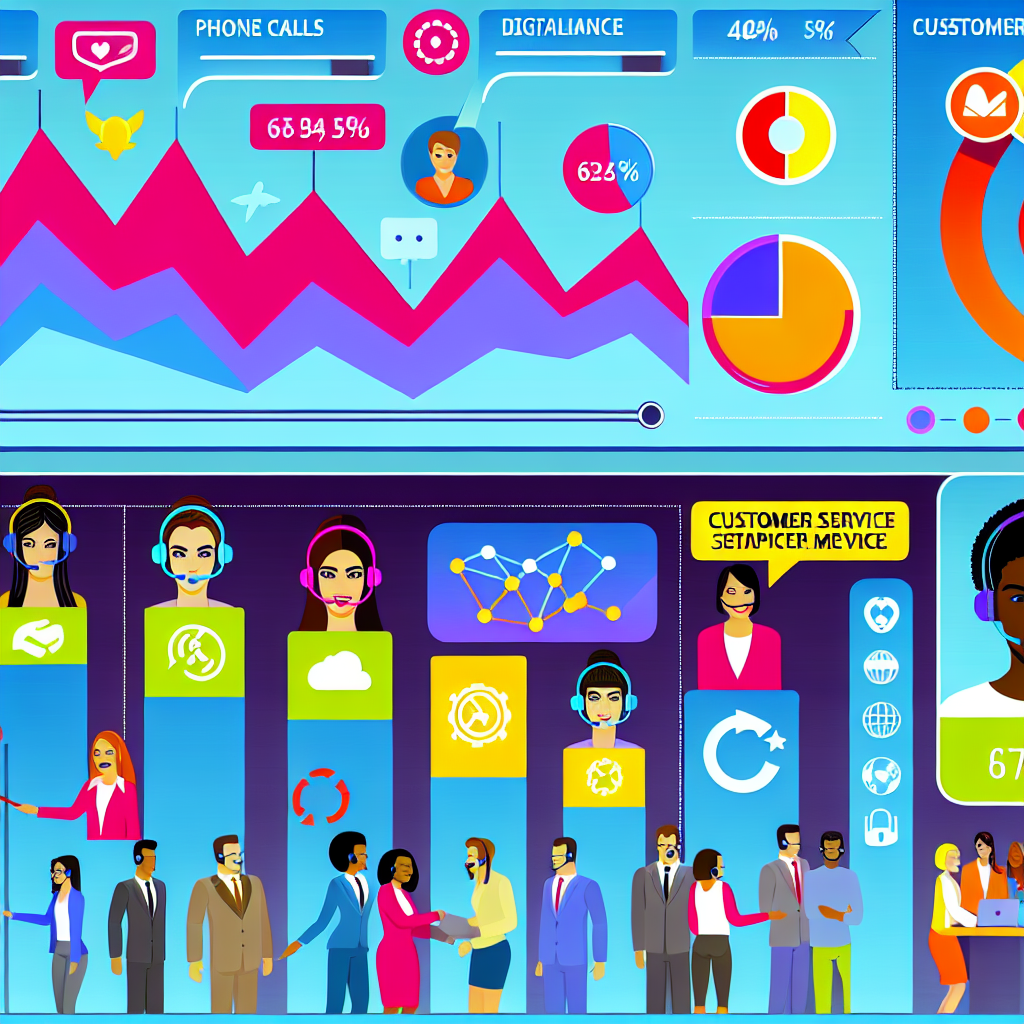
Employee Morale and Flexibility in Trucking Fleets
In the competitive landscape of the trucking industry, employee morale and flexibility stand as crucial pillars for success. High morale enhances productivity, while flexible work arrangements significantly contribute to employee retention. When trucking companies invest in their workforce through tailored support systems—such as flexible schedules, mental health resources, and family-friendly policies—they create a work environment that acknowledges the individual needs of each employee. This not only boosts job satisfaction but also fosters a sense of loyalty that is essential in an industry known for its high turnover rates.
Flexibility in working conditions allows drivers to manage their schedules in ways that accommodate their personal lives, leading to a better work-life balance. This is particularly important for younger generations, who are entering the industry with differing expectations compared to their predecessors. Providing options for remote work or varied routes can enhance job contentment and reduce burnout.
Furthermore, fleets that prioritize employee morale often see improved performance. Motivated workers are more engaged, leading to higher quality service and efficiency on the road. By creating a people-first culture, trucking companies can drive long-term successes that technology alone cannot achieve. The commitment to investing in the human component of the trucking process is a strategy that helps attract and retain top talent, ultimately leading to better business outcomes.
Key Takeaways and Call to Action
The insights gathered from industry experts clearly indicate that the trucking sector must embrace a balanced investment strategy that integrates both technology and people. Successful fleet management is not solely about adopting the latest digital tools; it requires a thoughtful approach that values the human element essential for efficiency and adaptability.
-
Balanced Integration of Technology and Human Expertise:
Investing in digital tools is important, but a recent study shows 76% of carriers prefer a combination of technology and human expertise for operational success. This highlights the irreplaceable role of personnel even as digital solutions proliferate. -
Strategic Use of Digital Tools:
While 73% of trucking companies have adopted digital tools for fleet management, relying on automation alone underestimates the value of human oversight in areas such as customer service and problem-solving. -
Focus on Workforce Development:
Underlining the necessity of workforce engagement, organizations like TFI are adopting AI for training, reducing traditional onboarding times while ensuring employees are prepared to meet operational demands. -
Flexibility and Adaptability:
Investing in cross-training initiatives, like those implemented by Innocon, allows companies to foster a culture of adaptability while promoting morale and leadership development.
Jason Belgrave encapsulates this sentiment perfectly, stating, “The first instinct is to see automation as a way to cut costs, but it’s really about redeploying people into higher-value work.” This philosophy underscores the need for companies to prioritize their workforce in a technology-driven landscape.
Call to Action
Fleet managers are encouraged to rethink their investment strategies and adopt a dual approach—one that prioritizes not only digital innovations but also the development and well-being of their workforce. By doing so, they will not only enhance operational efficiency but also cultivate a committed team ready to tackle the challenges of modern trucking. Embrace this dual investment mentality today and position your fleet for future success!
Best Practices for Onboarding Programs in the Trucking Industry
Onboarding programs in the trucking industry have evolved to incorporate human-centric strategies that greatly enhance employee engagement, retention, and overall job satisfaction. Key best practices include:
- Structured Orientation Programs: Companies like the Larson Group highlight the importance of comprehensive orientation sessions that introduce new hires to company policies, safety protocols, and operational procedures. With HR representatives guiding new employees, this structured approach ensures smooth transitions and sets the tone for successful careers in the industry.
- Mentorship Initiatives: Pairing new drivers with seasoned mentors has shown a significant reduction in turnover rates. Fleets with mentorship programs experienced a 35% decrease in turnover within the first year. These mentors help new hires adapt to challenges and create a sense of belonging within the company.
- Clear and Consistent Communication: Establishing open lines of communication from the pre-boarding phase through the initial months is vital. Utilizing digital platforms, such as onboarding apps and regular emails, keeps new drivers informed and engaged, giving them a sense of involvement right from the start.
- Personalized Onboarding Experiences: Tailoring onboarding processes to suit individual roles and learning styles can greatly improve the onboarding experience. Companies can provide personalized welcome packages that include role-specific training materials to help new employees feel valued and equipped for their tasks.
- Regular Check-ins and Feedback Sessions: Consistent touchpoints for feedback and addressing concerns are integral to successful onboarding. Regular check-ins prevent miscommunication and demonstrate the company’s commitment to employee success, ensuring that new hires feel heard and supported as they assimilate into the company culture.
By implementing these human-centric onboarding practices, trucking companies can create a supportive environment that encourages engagement and loyalty in their workforce.
The importance of adapting digital tools to meet the preferences of an evolving workforce is further emphasized by generational differences. As we transition to the next section, it’s crucial to recognize how these differing values and expectations influence the acceptance of digital tools. Specifically, younger generations who are entering the trucking industry bring with them distinct approaches to technology, thereby shaping the future landscape of fleet operations. Understanding these generational dynamics will inform how fleets can effectively harness technology while fostering a committed workforce.
By examining how each generation interacts with technology, we can gain insights into tailoring strategies that address both the needs of digital adoption and the holistic development of employees.
Incorporating Relevant Keywords for SEO Optimization
The trucking industry is experiencing a significant shift towards trucking automation and technology adoption, reshaping workforce dynamics and operational strategies. Here are key themes to consider:
-
Adoption of Autonomous Vehicles and AI Technologies
In 2023, 42% of industry leaders considered testing or adopting autonomous technology a priority. As firms recognize the value of these innovations, they must also invest in their workforce to ensure a smooth transition to a technology-driven environment. -
Impact on Workforce and Upskilling Initiatives
As automation and digital tools become integral to operations, 78% of transportation companies are increasing investments in employee upskilling. This highlights the importance of equipping workers with the necessary skills to thrive in an era dominated by technology adoption. -
Integration of Digital Tools and Remote Technologies
With 73% of trucking companies adopting digital solutions, the balance between technology and human input becomes essential. Firms must address concerns related to job security and instill confidence in their workforce to adapt effectively to these changes.
To further enhance SEO, integrating expressions like trucking automation trends, AI in trucking industry, or remote training programs for truck drivers in the content will attract a broader audience and improve the article’s online presence.