
In an increasingly interconnected world, the trucking industry plays a pivotal role in facilitating economies across borders. Yet, the complexities of cross-border regulatory issues pose significant challenges to ensuring seamless operations for trucking companies. As regulations evolve and vary between countries, navigating these obstacles becomes essential for maintaining efficiency and safety.
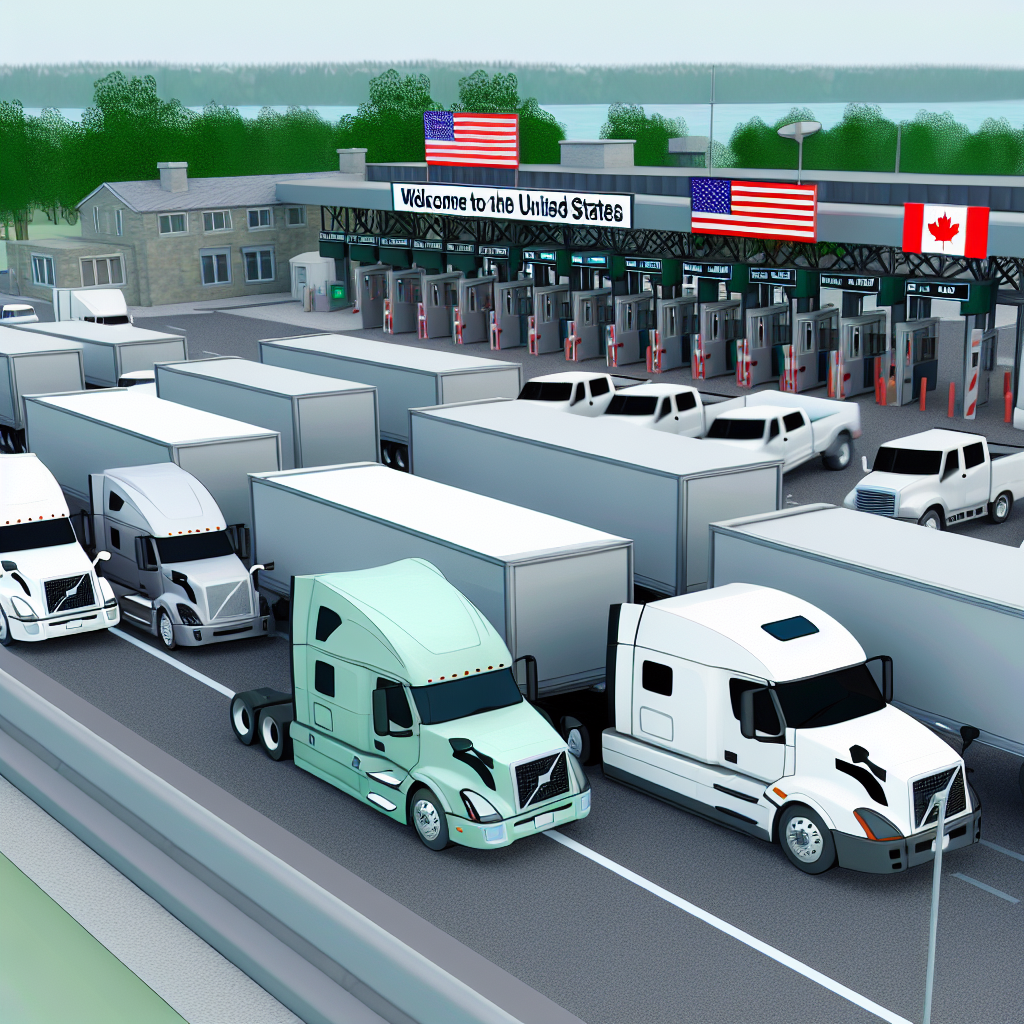
The Truckload Carriers Association (TCA) recognizes the importance of addressing these challenges and is hosting its annual event, “Bridging Border Barriers,” on November 19 in Mississauga, Ontario. This gathering will focus on the myriad regulatory issues impacting cross-border trucking and will feature expert panel discussions aimed at fostering collaborative solutions. The event serves as a critical platform for industry stakeholders to unite, share insights, and work towards a more streamlined and effective cross-border trucking landscape.
“The Truckload Carriers Association is dedicated to ensuring the agenda for our Bridging Border Barriers meeting reflects the critical issues confronting our members, particularly cross-border regulations that impact our operations. We are committed to fostering collaboration and solutions in this essential area of our industry.” – TCA Announcement
“We are the big dogs on the road. We have to make sure that the reliability is there, and the achievability and affordability are there. But it’s just not there yet.” – David Heller, TCA’s Senior Vice President of Safety and Government Affairs, emphasizing the necessity of industry engagement to address regulatory challenges.
Recent Cross-Border Trucking Regulations between Canada and the U.S.
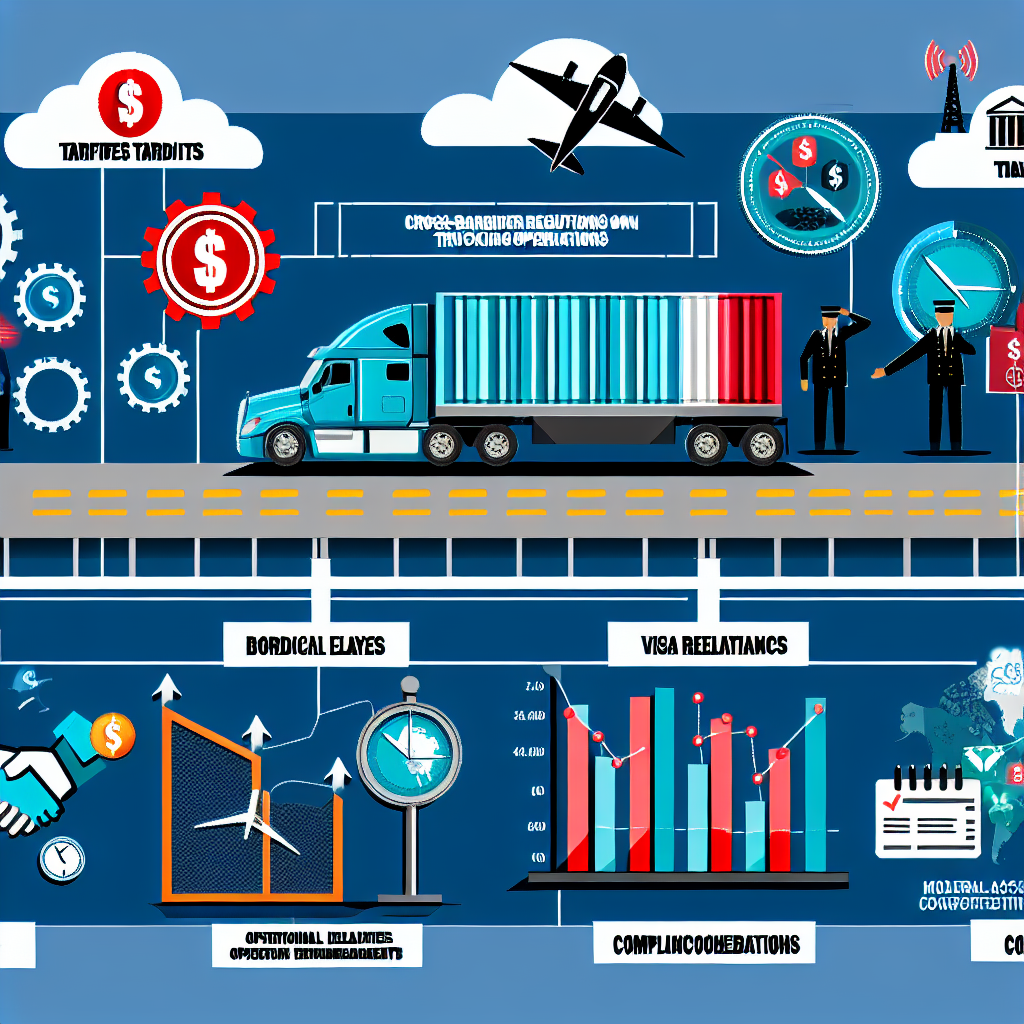
Recent cross-border trucking regulations between Canada and the U.S. have introduced numerous important changes impacting the trucking industry. Summarizing them, we have:
- Tariffs: The U.S. imposed a 25% tariff on imports from Canada and Mexico starting March 4, 2025. This has caused fluctuations in cross-border trucking rates, leading to an 18% increase for dry vans and a 35% increase for refrigerated trucks since the November elections, although a decline in rates is expected post-implementation due to manufacturing uncertainties.
- Border Security Measures: Alberta has launched a C$29 million initiative to enhance border security with Montana, setting up a patrol unit to prevent illegal crossings and satisfy U.S. demands for stricter control measures.
- Stricter Visa and Licensing Regulations: The U.S. has intensified enforcement of English proficiency standards for truck drivers, threatening states with funding cuts if these regulations are not implemented.
- Technological Enhancements: Canada is mandating digital registration under its CBSA Assessment and Revenue Management program and introducing AI-powered scanners at border points to streamline processes and reduce wait times.
- Regulatory Cooperation: Continuous collaboration between Transport Canada and the U.S. Department of Transportation seeks to improve cross-border efficiency, with new regulations expected in 2026 for transporting dangerous goods.
These changes significantly affect how trucking operations manage cross-border transport, underscoring the need for companies to stay informed and adaptable.
| Regulatory Issue | Impact on Fleet Operations | Relevant Regulatory Bodies |
|---|---|---|
| Tariffs | Increased trucking costs and pricing adjustments for transport |
US Customs and Border Protection, Canada Border Services Agency |
| Border Security Measures | Increased inspection times and operational delays |
Alberta Ministry of Transportation, U.S. Department of Homeland Security |
| Visa and Licensing Regulations | Limited access to drivers, impacting labor availability |
U.S. Department of Transportation, Transport Canada |
| Technological Enhancements | Requirement for technology upgrades, impacting budget and time |
Canada Border Services Agency, Federal Motor Carrier Safety Admin |
| Regulatory Cooperation | Potentially streamlined processes, influencing logistics |
Transport Canada, U.S. Department of Transportation |
Economic Trends Related to the Trucking Industry: Cross-Border Trucking Challenges and Regulatory Compliance in Trucking
The North American cross-border trucking industry is currently navigating a complex landscape shaped by economic fluctuations, regulatory changes, and evolving market demands.
Economic Trends and Transportation Costs
In March 2025, transborder freight between the U.S., Canada, and Mexico reached a record $144.8 billion, marking an 8.4% increase from March 2024. Trucks were responsible for transporting $94.2 billion of this total, reflecting a 9.5% year-over-year growth. However, the industry faces challenges due to escalating tariffs. The Trump administration’s 50% tariffs on imported steel, aluminum, and copper derivatives have significantly increased manufacturing costs for U.S. heavy-duty truck producers. This has prompted companies to explore sourcing more components from Mexico to benefit from concessions under the US-Mexico-Canada Agreement (USMCA).
Demand Forecasts
Despite recent growth, the industry anticipates a downturn. Swedish truck manufacturer Volvo has projected continued weakness in the North American truck market through 2026, citing a prolonged slump in freight activity and the impact of U.S. tariffs. The company has reduced its estimate for 2025 heavy truck deliveries in North America to 265,000 units, 10,000 fewer than previously expected.
Regulatory Influences
Regulatory changes are also impacting the industry. On April 28, 2025, the U.S. government announced a reinforced requirement for B1 commercial truck drivers operating within its borders to demonstrate proficiency in English. While this is a reaffirmation of existing regulations, it emphasizes renewed enforcement, with compliance checks expected during routine roadside inspections. Industry analysts suggest that this change might modestly impact cross-border freight, especially operations using Mexican drivers on B1 visas, but it is not expected to significantly disrupt the current market or driver availability.
In summary, the North American cross-border trucking industry is contending with increased transportation costs due to tariffs, projected declines in demand, and evolving regulatory requirements. Stakeholders must remain vigilant and adaptable to navigate these challenges effectively.
Impacts of Hours-of-Service Regulations on Cross-Border Trucking
Hours-of-Service (HOS) regulations are vital for ensuring driver safety and reducing fatigue. However, they can significantly challenge cross-border trucking operations. Here are the key implications for drivers and fleets:
Impacts on Drivers
- Reduced Flexibility and Earnings: These regulations enforce strict limits on driving hours. This often limits a driver’s ability to manage personal needs or adapt to unexpected delays. As a result, many drivers find their earning potential limited, especially those paid per mile, because they cannot continue driving even when alert.
- Compliance Challenges: Drivers must carefully record their hours and often use Electronic Logging Devices (ELDs). While these tools help with tracking, they can cause stress due to constant monitoring. Technical issues or lack of training may lead to compliance violations, which can trigger penalties.
- Safety Concerns: HOS regulations can create supply chain bottlenecks, especially during busy times. Delays from following HOS rules can result in missed deadlines, unhappy customers, and financial losses.
Impacts on Fleets
- Operational Costs and Productivity: Complying with HOS mandates might require fleets to hire more drivers or invest in better planning systems, leading to higher costs. Smaller operators may find it hard to manage these financial pressures, affecting their competitiveness.
- Scheduling and Dispatch Complexity: Fleets must navigate the logistics of following HOS rules, which complicates route planning and scheduling. Companies often need to continuously evaluate their dispatch strategies to keep drivers compliant while maximizing delivery efficiency.
- Safety and Compliance Risks: Non-compliance can lead to substantial fines and damage a company’s safety rating. Repeat violations may result in serious consequences, putting fleets at risk.
Cross-Border Specific Considerations
Cross-border operations add more complexity because regulations can differ between countries. For instance, Canadian drivers entering the U.S. must meet American HOS standards. This compliance requirement adds another layer of challenges for drivers and fleets to manage effectively to avoid penalties.
In conclusion, while hours-of-service regulations are crucial for promoting safety, they present various challenges for cross-border trucking operations. Both drivers and fleets must adapt to these regulations to keep operations efficient while ensuring compliance.
In conclusion, the cross-border trucking industry is navigating a challenging regulatory landscape that significantly impacts its operations and growth potential. From the recently instituted tariffs and intensified border security measures to evolving hours-of-service regulations and the stringent enforcement of visa standards, the complexity of these issues cannot be understated. Compliance is not just a regulatory requirement; it is essential for ensuring safety, maintaining operational efficiency, and fostering competitiveness in a rapidly changing market.
The insights shared throughout this article underscore the necessity for trucking companies to stay informed and agile, adapting their practices to meet regulatory demands while ensuring cost-effectiveness. Engaging with industry stakeholders, such as the Truckload Carriers Association and regulatory bodies, facilitates collaboration and innovation, which are key to overcoming these challenges.
As we reflect on these discussions, we invite readers to share their thoughts on the future of the cross-border trucking industry amid these regulatory challenges. How can companies better prepare for and adapt to these changes? Your engagement is vital as we continue to explore solutions that pave the way for a more streamlined and resilient trucking sector across borders.
In conclusion, the cross-border trucking industry stands at a critical juncture, facing a host of regulatory challenges that threaten to alter its operational landscape. The recent establishment of tariffs, increased border security measures, and stricter compliance requirements underscore the necessity for industry stakeholders—trucking companies, regulatory bodies, and associations—to unite in response to these changes.
The insights shared in this article highlight the imperative for trucking companies to not only remain informed and agile but also to actively engage with organizations like the Truckload Carriers Association. By fostering collaboration, the industry can better navigate the complexities of regulation and innovation, ultimately leading to streamlined processes that benefit all parties involved.
As this landscape continues to evolve, it is crucial for stakeholders to adapt swiftly, turning challenges into opportunities for growth. We encourage our readers to reflect on these insights and consider how your organization can contribute to shaping a resilient trucking sector. What strategies can you implement to prepare for future regulatory changes? Your involvement is essential as we collectively strive for a more efficient cross-border trucking environment.
User Adoption of Autonomous Vehicles in Trucking
The adoption of autonomous vehicles in the trucking sector is witnessing significant advances, particularly in cross-border operations. This section summarizes current trends, adoption rates, and notable industry implementations.
Adoption Rates and Industry Insights
- Projected Growth: According to McKinsey & Co., it is estimated that by 2035, 13% of heavy-duty trucks in the United States could be autonomous. This rate is higher than the projected 11% adoption in China, emphasizing the growing acceptance and demand for autonomous solutions. Factors driving this demand include the need for improved logistics efficiency and addressing driver shortages exacerbated by the COVID-19 pandemic [source].
- Market Expansion: The global market for autonomous trucks was valued at $1.5 billion in 2022 and is projected to reach $13.6 billion by 2030, reflecting a compound annual growth rate (CAGR) of 32.3%. Investments from automakers and tech firms are driving this rapid expansion [source].
Notable Company Implementations
- Aurora Innovation: In 2025, Aurora launched its first commercial driverless trucking service in Texas, achieving its first autonomous freight trip from Dallas to Houston after extensive testing totaling over 3 million miles [source].
- Waabi and Volvo Partnership: Waabi partnered with Volvo to develop autonomous trucks, planning commercial pilots in Texas within four years [source].
- Gatik: Active in the U.S. and Canada, Gatik focuses on Level 4 autonomous trucking technology. The company has established partnerships with major retailers for middle-mile delivery services [source].
- Inceptio Technology: This Chinese company has reported its autonomous trucks have driven over 50 million kilometers without accidents, showcasing advanced safety performance [source].
Cross-Border Operations Challenges
While there is notable momentum in autonomous trucking, cross-border operations remain in the early stages due to several challenges. Regulatory differences between countries can complicate the deployment of autonomous trucks, as companies must navigate various legal frameworks and compliance requirements. Moreover, infrastructure compatibility is crucial for the seamless integration of autonomous vehicles in cross-border scenarios.
In summary, the trucking sector is on the cusp of significant change with the growing adoption of autonomous vehicles, promising enhanced efficiency in logistics. However, the complexities of cross-border regulations and logistical challenges necessitate careful navigation as the industry advances.
Key Economic Data Summary
- Transborder Freight Value: In March 2025, transborder freight between the U.S., Canada, and Mexico reached a record $144.8 billion, representing an 8.4% increase from the previous year. Trucks accounted for $94.2 billion, reflecting a 9.5% growth year-over-year.
- Projected Demand Decline: Volvo projects a continued downturn in the North American truck market through 2026, estimating heavy truck deliveries to be 265,000 units in 2025, which is 10,000 units fewer than previous estimates.
- Economic Pressures of Tariffs: Tariffs imposed by the Trump administration, particularly on imported steel and aluminum, have led to increased manufacturing costs for U.S. heavy-duty truck producers, pushing them to consider sourcing components from Mexico under the USMCA.
- Regulatory Influences: The U.S. reinforced English proficiency requirements for B1 commercial truck drivers, with compliance checks expected during routine inspections, potentially impacting cross-border freight operations.
These key economic data points illustrate the significant pressures and trends currently shaping the North American trucking industry.