
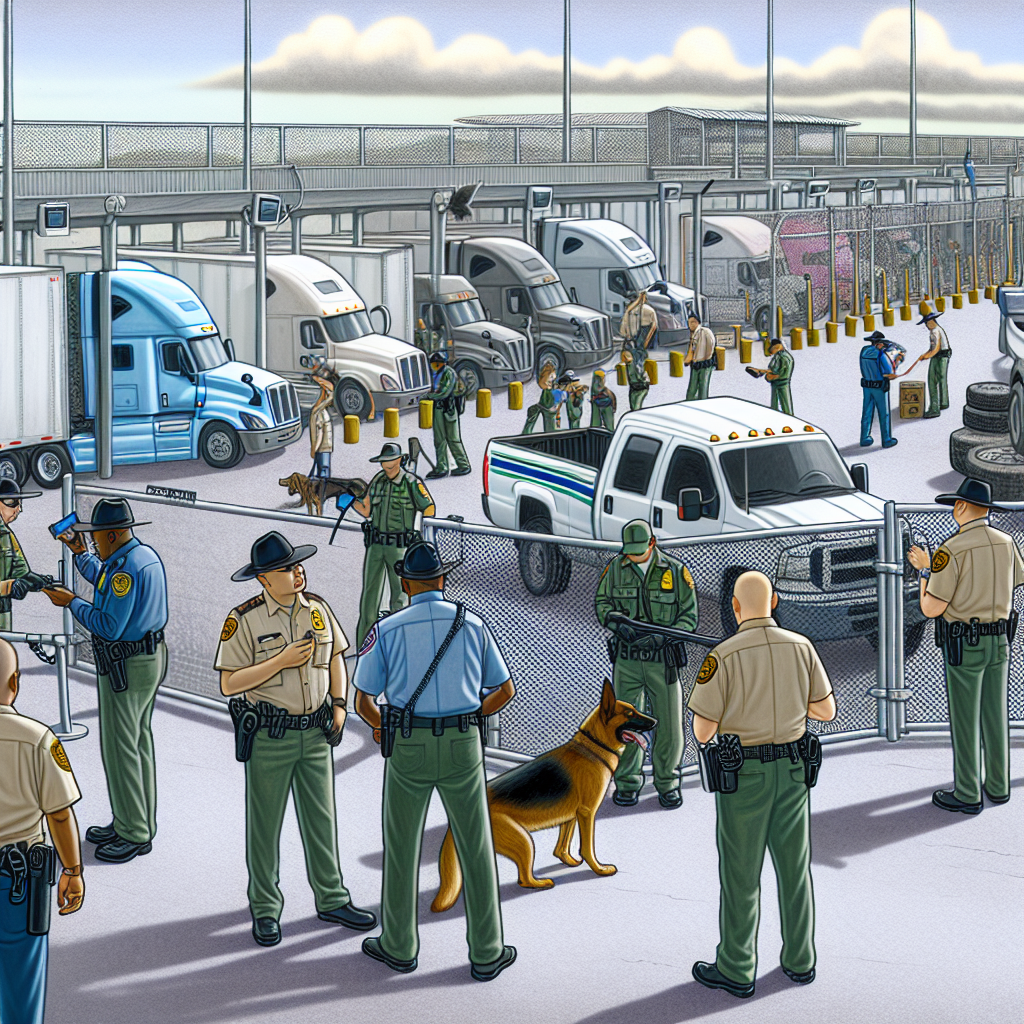
In an ever-evolving landscape of drug trafficking, the role of transportation networks, particularly trucks, has become increasingly critical. These vehicles often serve as conduits for illegal substances, posing significant challenges to law enforcement and national security.
Recent drug seizures by U.S. Customs and Border Protection (CBP) and ICE Homeland Security Investigations (HSI) have underscored the importance of vigilance in monitoring commercial vehicle routes. These operations not only aim to intercept illegal drugs like cocaine and methamphetamine but also play a pivotal role in safeguarding communities from the harmful effects of substance abuse.
The significance of these nationwide security measures cannot be overstated, as they represent the frontline in the battle against drug trafficking and its associated crimes. By highlighting the scope and impact of drug seizures in truck transport, we can better understand the complexities involved in maintaining safety and security across borders.
Cracking Down on the Highways: Essential Security Measures Against Truck-Based Drug Trafficking
Recent Drug Seizures: A Major Interception
On September 11, 2025, U.S. Customs and Border Protection (CBP) and ICE Homeland Security Investigations (HSI) intercepted 917 kg of illicit drugs during inspections at the Detroit and Port Huron ports of entry. These seizures signify efforts in combating drug trafficking and protecting communities from dangers associated with illegal narcotics.
In Detroit, CBP officers inspected a Canada-bound commercial vehicle. They found a substantial quantity of cocaine concealed within it. A thorough examination of the trailer revealed several bricks of a white powdery substance hidden within multiple boxes and two duffel bags. Testing confirmed the substance to be cocaine, weighing 476 kg (approximately 1,058 pounds). The drugs, along with the truck and trailer, were taken into custody. The driver, a citizen of India, faces federal prosecution.
At the Port Huron checkpoint, a similar operation occurred. CBP and HSI personnel carried out a physical search of another Canada-bound commercial vehicle, with assistance from canine units. This search revealed over 400 bags filled with methamphetamine. Field testing confirmed the total weight of methamphetamine was 441 kg (approximately 972 pounds). Like the Detroit seizure, the methamphetamine, truck, and trailer were also seized. The driver, a Canadian citizen, is similarly facing federal prosecution.
Both cases are under active investigation by ICE HSI. This emphasizes the importance of collaboration among law enforcement agencies in disrupting the transnational drug trade. The actions taken by CBP and HSI at these ports of entry show a concerted effort to prevent dangerous narcotics from entering communities. It highlights how vigilance in monitoring commercial vehicle routes is crucial for ensuring public safety.
These interceptions emphasize the ongoing fight against drug trafficking in key transport routes like Detroit and Port Huron.
The Impact of Drug Seizures on Public Safety and Transportation Security
Drug seizures serve as vital defenses against narcotics trafficking. They significantly reduce the availability of illegal substances within communities. However, the implications of drug seizures extend beyond mere numbers; they resonate with society’s fabric.
One primary impact of drug seizures is enhancing border security. The interception of illicit drugs sends a clear message to traffickers that their routes are under scrutiny. This creates a deterrent effect that disrupts the flow of drugs across borders. The recent seizure of 917 kg of drugs by U.S. Customs and Border Protection prevented these substances from reaching Canadian streets and warned traffickers that their operations are being closely monitored.
Moreover, successful drug seizures contribute to community safety. They help reduce drug-related crimes that ripple through neighborhoods, including violent crime, gang activity, and property crimes often linked to drug trafficking. Every intercepted significant quantity of drugs makes streets safer for families, children, and communities. The emotional burden of living in drug crime-plagued areas can be immense. Families worry about potential impacts on their children and neighborhood safety. When drugs are seized, a sense of safety begins to return, allowing communities to heal.
The impact of drug seizures also fosters trust with the public. Communities often feel helpless facing rampant drug trafficking. Witnessing law enforcement successes reassures citizens that steps are being taken to protect them. This partnership between communities and law enforcement can foster collaboration on local safety initiatives, drug education programs, and support systems for those affected by substance abuse.
In essence, the impact of drug seizures reflects a strategy of enhancing transportation security while safeguarding public health. By targeting illicit drug routes and dismantling trafficking networks, law enforcement agencies create safer environments. They lay the groundwork for communities to thrive free from the shadow of drugs. These efforts instill hope and foster resilience, showing that proactive measures can lead to transformative change where needed.
| Drug Type | Quantity Seized | Source |
|---|---|---|
| Cocaine | 201,500 pounds | U.S. DOJ |
| Methamphetamine | 65,000 pounds | U.S. DOJ |
| Cocaine | 432 pounds | Arizona State Troopers |
| Methamphetamine | 377 pounds | Arizona State Troopers |
| Cocaine | 353 pounds | Arkansas State Police |
| Cocaine | 26 pounds | U.S. Customs and Border Protection |
| Methamphetamine | 89 pounds | U.S. Customs and Border Protection |
Source Links:
- Department of Justice Seizures
- Arizona State Troopers
- Arkansas State Police
- U.S. Customs and Border Protection
This table summarizes the significant efforts by U.S. law enforcement agencies to combat drug trafficking through major seizures, highlighting the quantities involved. By representing the statistics visually in a table format, readers can quickly grasp the scale of the drug seizure problem in the United States.
The Impact of Drug Seizures on Public Safety and Transportation Security
Drug seizures are crucial interventions in the fight against narcotics trafficking, serving as a vital line of defense for both public safety and transportation security. When law enforcement agencies intercept illegal drugs through recent operations at ports of entry, the immediate effect is a substantial reduction in the availability of these substances within communities. However, the implications of drug seizures extend far beyond the mere numbers seized; they resonate deeply with the very fabric of society.
One of the primary impacts of drug seizures is the enhancement of border security. The interception of illicit drugs signals to traffickers that their routes are being monitored and that law enforcement is vigilant. This creates a deterrent effect that can disrupt the flow of drugs across borders. For instance, the recent seizure of 917 kg of drugs by U.S. Customs and Border Protection at Detroit and Port Huron ports not only prevented these substances from reaching Canadian streets but also acted as a warning to traffickers that their operations are being closely scrutinized.
Moreover, successful drug seizures contribute to community safety in profound ways. They help reduce drug-related crimes that often ripple through neighborhoods—violent crime, gang activity, and property crimes are commonly linked to drug trafficking. Every operation that intercepts significant quantities of drugs is a step towards making streets safer for families, children, and communities. The emotional burden of living in areas plagued by drug crime can be immense; families must worry about potential impacts on their children and the safety of their neighborhoods. When drugs are seized, a sense of safety begins to return, allowing communities to heal and rebuild.
Yet, the impact of drug seizures goes beyond immediate safety concerns. By disrupting the drug flow, authorities can also cultivate a greater sense of trust with the public. Communities often feel helpless in the face of rampant drug trafficking, and seeing the successes of law enforcement provides reassurance that steps are being taken to protect citizens. This partnership between the community and law enforcement can foster collaboration on local safety initiatives, drug education programs, and support systems for those affected by substance abuse.
In essence, the impact of drug seizures reflects a dual strategy of enhancing transportation security while simultaneously safeguarding public health and safety. By targeting illicit drug routes and dismantling trafficking networks, law enforcement agencies not only contribute to a safer environment but also lay the groundwork for communities to thrive without the shadow of drugs lurking in the background. These efforts instill hope and foster resilience, demonstrating that proactive measures can lead to transformative change where it is most needed.
As drug seizure operations yield positive outcomes for community safety and public trust, they set the stage for legal consequences that follow. When law enforcement successfully intercepts substantial quantities of illegal drugs, it not only serves as a barrier against narcotics in the community but also triggers a series of legal repercussions aimed at holding traffickers accountable. The legal framework aims to address the societal issues highlighted, ensuring that those who attempt to undermine public safety face appropriate consequences. Thus, the drug seizure process can be seen as a critical component in both protecting communities and enforcing the rule of law.
Real-Life Examples: The Impact of Drug Seizures
- Local Success Stories: In Roane County, Tennessee, a strategic use of funds from opioid settlements has been reported to lead to a 48% decrease in overdose deaths. This significant reduction can be largely attributed to Drug-Free Communities coalitions promoting prevention programs among youth, effectively enhancing overall community safety by reducing drug availability and usage among teenagers. These efforts underscore how concerted community initiatives in conjunction with drug seizures can create a more secure environment for families.
- Strengthening Families Through Drug Courts: In California, family drug courts have emerged as a vital mechanism to heal parental addictions while keeping families intact. Participation in these courts has dropped the number of children removed from their homes to only 10%, compared to 30% in non-participating families. This approach not only supports family unity but also contributes to the emotional recovery of families, allowing parents to reconnect with their children, which is paramount in fostering a safe community.
- Transformative Effects of Drug Courts: Studies have shown that participants in drug courts often experience significant personal transformations. Positive changes lead many to regain child custody, improve family relationships, and reintegrate successfully into their communities. These personal success stories reflect the potential benefits of effective law enforcement actions, including drug seizures, and emphasize the broader societal reforms that follow such interventions.
These examples illustrate how, beyond immediate law enforcement results, the impact of drug seizures reverberates through communities, enhancing emotional safety, fostering family reunification, and providing a foundation for healing and growth.
| Drug Type | Quantity Seized | Date of Seizure |
|---|---|---|
| Cocaine | 476 kg (1,058 lbs) | September 11, 2025 |
| Methamphetamine | 441 kg (972 lbs) | September 11, 2025 |
These statistics encapsulate the latest drug interception efforts by U.S. Customs and Border Protection (CBP) and ICE Homeland Security Investigations (HSI), providing a snapshot of the significant quantities of cocaine and methamphetamine that were seized during this operation.
Legal Repercussions of Drug Seizures
When significant quantities of illegal drugs are seized, it triggers a series of legal processes aimed at prosecuting those responsible for trafficking. In the United States, federal prosecution is a common course of action for offenders involved in drug trafficking, particularly in cases that cross state or international boundaries. The consequences of these seizures extend beyond the immediate action taken by law enforcement; they represent a broader commitment to maintaining safety on transportation networks and deterring future criminal activities.
Federal agencies such as U.S. Customs and Border Protection (CBP) and ICE Homeland Security Investigations (HSI) play pivotal roles in these operations. Upon seizure, investigations commence to trace the origin of the drugs, identify smugglers, and gather evidence needed for prosecution. These agencies often collaborate with local law enforcement to strengthen their cases. The collectivity of resources and expertise enhances the likelihood of securing convictions and imposing appropriate penalties on those found guilty of trafficking or manufacturing illegal substances.
For individuals caught in drug seizures, legal repercussions can be severe, often ranging from lengthy prison sentences to hefty fines. The Federal Sentencing Guidelines have established a strict framework that penalizes drug offenses. Factors such as the amount of drugs, prior criminal history, and the role of the individual in the trafficking operation can influence sentencing. In many cases, individuals may face mandatory minimum sentences that reflect the serious nature of drug trafficking offenses.
Additionally, the legal implications are not limited to criminal charges. Drug trafficking charges can also result in the forfeiture of assets related to the crime, including vehicles, bank accounts, and property. This financial and legal fallout can have devastating effects on individuals involved, often extending to families and associates who may be indirect victims of the drug trade’s repercussions.
The importance of these legal measures cannot be overstated. By holding traffickers accountable, law enforcement agencies foster a sense of security and trust within communities. They demonstrate a commitment to safety by actively engaging in efforts that dismantle drug trafficking networks and prevent drugs from reaching the streets. In this intricate battle against drug trafficking, legal repercussions serve not only as a deterrent but as a vital element in the safeguarding of public health and safety.
Conclusion
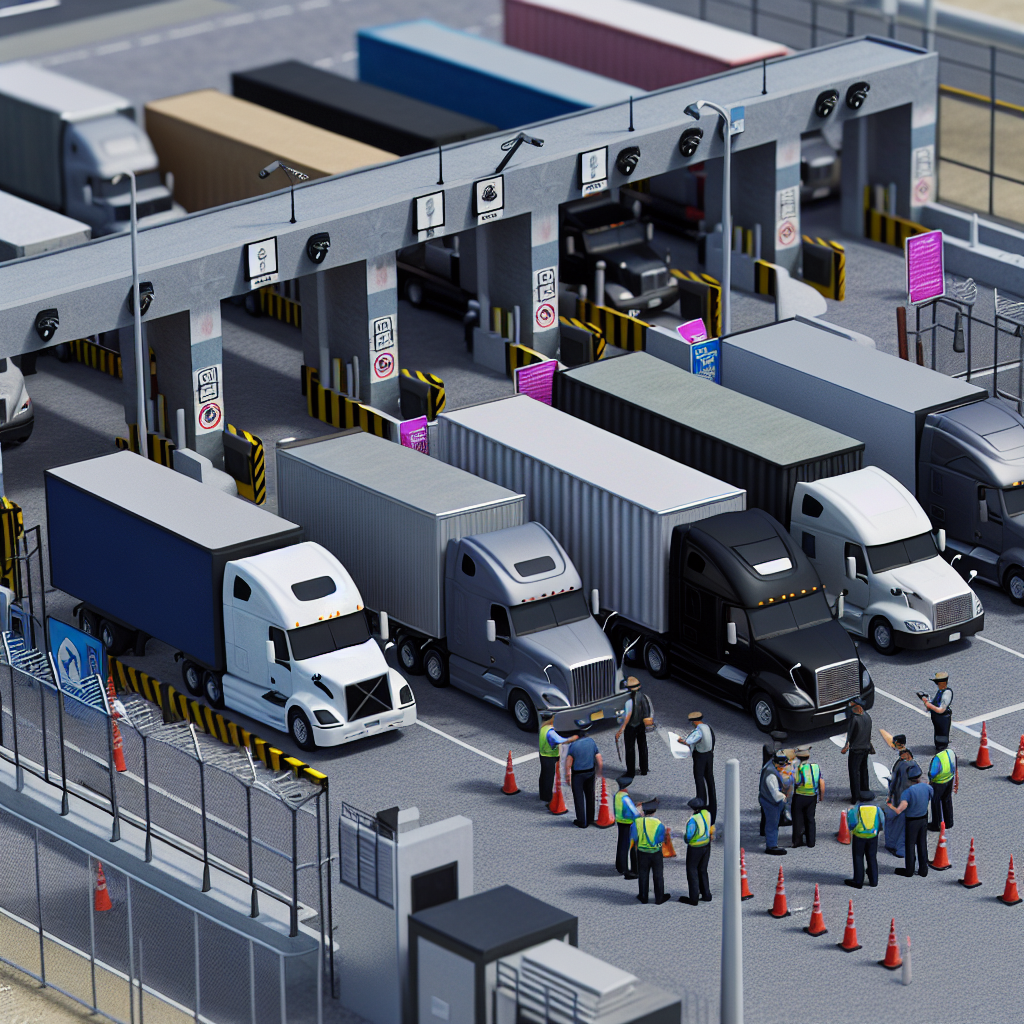
In conclusion, ongoing drug seizure efforts and security measures play a crucial role in truck transport and the broader fight against narcotics trafficking. The significant interceptions made by law enforcement agencies, as highlighted in recent cases, demonstrate the importance of vigilance and postures of readiness at critical transport points. These actions not only disrupt the supply chain of illegal drugs, such as cocaine and methamphetamine, but also serve to enhance public safety by protecting communities from the associated dangers of drug-related crime.
By actively monitoring and inspecting commercial vehicles, agencies like U.S. Customs and Border Protection (CBP) and ICE Homeland Security Investigations (HSI) send a clear message to traffickers: their operations are under scrutiny, and their attempts to infiltrate communities will be met with robust enforcement actions. This significantly deters drug trafficking activities and helps foster a safer environment for families.
Moreover, the ripple effect of these efforts extends into the community, creating a sense of security and trust in law enforcement. The proactive approach displayed through drug seizures can inspire collaborative initiatives aimed at drug education and rehabilitation, ultimately allowing communities to heal and thrive free from the threats posed by illegal narcotics. Ongoing commitment to drug seizure initiatives and transport security measures is not merely about enforcing the law; it is about safeguarding lives, enhancing community resilience, and ensuring a brighter, drug-free future.
Truck-Based Drug Interceptions and Security Measures
Introduction
In an ever-evolving landscape of drug trafficking, the role of transportation networks, particularly trucks, has become increasingly critical. These vehicles often serve as conduits for illegal substances, posing significant challenges to law enforcement and national security. Recent drug seizures by U.S. Customs and Border Protection (CBP) and ICE Homeland Security Investigations (HSI) have underscored the importance of vigilance in monitoring commercial vehicle routes. These operations aim to intercept illegal drugs like cocaine and methamphetamine, safeguarding communities from the harmful effects of substance abuse. The significance of these nationwide security measures cannot be overstated, as they represent the frontline in the battle against drug trafficking and its associated crimes. By highlighting the scope and impact of drug seizures in truck transport, we can better understand the complexities involved in maintaining safety and security across borders.
Cracking Down on the Highways: Essential Security Measures Against Truck-Based Drug Trafficking
Recent Drug Seizures: A Major Interception
On September 11, 2025, U.S. Customs and Border Protection (CBP) and ICE Homeland Security Investigations (HSI) intercepted a total of 917 kg of illicit drugs during outbound inspections at the Detroit and Port Huron ports of entry. These drug seizures represent significant efforts in combating drug trafficking and protecting communities from the dangers associated with illegal narcotics.
In Detroit, CBP officers inspected a Canada-bound commercial vehicle and discovered a substantial amount of cocaine concealed within the vehicle. A thorough examination of the trailer revealed several bricks of a white powdery substance hidden within multiple boxes and two duffel bags. Testing confirmed the substance to be cocaine, with a total weight of 476 kg (approximately 1,058 pounds). The drugs, along with the truck and trailer, were taken into custody, and the driver, a citizen of India, is facing federal prosecution.
At the Port Huron checkpoint, a similar operation took place. CBP and HSI personnel, with assistance from canine units, carried out a physical search on another Canada-bound commercial vehicle. This search revealed over 400 bags filled with methamphetamine. Field testing confirmed that the total weight of the methamphetamine was 441 kg (approximately 972 pounds). Like the Detroit seizure, the methamphetamine, along with the truck and trailer, was also seized. The driver of this vehicle, a Canadian citizen, is similarly facing federal prosecution.
Both cases are under active investigation by ICE HSI, emphasizing the importance of collaboration among law enforcement agencies in disrupting the transnational drug trade. The actions taken by CBP and HSI at these ports of entry demonstrate a concerted effort to prevent dangerous narcotics from entering local communities, showcasing how vigilance in monitoring commercial vehicle routes plays a crucial role in ensuring public safety.
These interceptions highlight the critical ongoing fight against drug trafficking in the heart of key transport routes, including Detroit and Port Huron.
The Impact of Drug Seizures on Public Safety and Transportation Security
Drug seizures are crucial interventions in the fight against narcotics trafficking, serving as a vital line of defense for both public safety and transport security. When law enforcement agencies intercept illegal drugs through recent operations at ports of entry, the immediate effect is a substantial reduction in the availability of these substances within communities. However, the implications of drug seizures extend far beyond the mere numbers seized; they resonate deeply with the very fabric of society.
One of the primary impacts of drug seizures is the enhancement of border security. The interception of illicit drugs signals to traffickers that their routes are being monitored and that law enforcement is vigilant. This creates a deterrent effect that can disrupt the flow of drugs across borders. For instance, the recent seizure of 917 kg of drugs by U.S. Customs and Border Protection at Detroit and Port Huron ports not only prevented these substances from reaching Canadian streets but also acted as a warning to traffickers that their operations are being closely scrutinized.
Moreover, successful drug seizures contribute to community safety in profound ways. They help reduce drug-related crimes that often ripple through neighborhoods—violent crime, gang activity, and property crimes are commonly linked to drug trafficking. Every operation that intercepts significant quantities of drugs is a step towards making streets safer for families, children, and communities. The emotional burden of living in areas plagued by drug crime can be immense; families must worry about potential impacts on their children and the safety of their neighborhoods. When drugs are seized, a sense of safety begins to return, allowing communities to heal and rebuild.
Yet, the impact of drug seizures goes beyond immediate safety concerns. By disrupting the drug flow, authorities can also cultivate a greater sense of trust with the public. Communities often feel helpless in the face of rampant drug trafficking, and seeing the successes of law enforcement provides reassurance that steps are being taken to protect citizens. This partnership between the community and law enforcement can foster collaboration on local safety initiatives, drug education programs, and support systems for those affected by substance abuse.
In essence, the impact of drug seizures reflects a dual strategy of enhancing transport security while simultaneously safeguarding public health and safety. By targeting illicit drug routes and dismantling trafficking networks, law enforcement agencies not only contribute to a safer environment but also lay the groundwork for communities to thrive without the shadow of drugs lurking in the background. These efforts instill hope and foster resilience, demonstrating that proactive measures can lead to transformative change where it is most needed.
Legal Repercussions of Drug Seizures
When significant quantities of illegal drugs are seized, it triggers a series of legal processes aimed at prosecuting those responsible for drug trafficking. In the United States, federal prosecution is a common course of action for offenders involved in drug trafficking, particularly in cases that cross state or international boundaries. The consequences of these drug seizures extend beyond the immediate action taken by law enforcement; they represent a broader commitment to maintaining safety on transportation networks and deterring future criminal activities.
Federal agencies such as U.S. Customs and Border Protection (CBP) and ICE Homeland Security Investigations (HSI) play pivotal roles in these operations. Upon drug seizure, investigations commence to trace the origin of the drugs, identify smugglers, and gather evidence needed for prosecution. These agencies often collaborate with local law enforcement to strengthen their cases. The collective resources and expertise enhance the likelihood of securing convictions and imposing appropriate penalties on those found guilty of trafficking or manufacturing illegal substances.
For individuals caught in drug seizures, legal repercussions can be severe, often ranging from lengthy prison sentences to hefty fines. The Federal Sentencing Guidelines have established a strict framework that penalizes drug offenses. Factors such as the amount of drugs, prior criminal history, and the role of the individual in the drug trafficking operation can influence sentencing. In many cases, individuals may face mandatory minimum sentences that reflect the serious nature of drug trafficking offenses.
Additionally, the legal implications are not limited to criminal charges. Drug trafficking charges can also result in the forfeiture of assets related to the crime, including vehicles, bank accounts, and property. This financial and legal fallout can have devastating effects on individuals involved, often extending to families and associates who may be indirect victims of the drug trade’s repercussions.
The importance of these legal measures cannot be overstated. By holding traffickers accountable, law enforcement agencies foster a sense of security and trust within communities. They demonstrate a commitment to safety by actively engaging in efforts that dismantle drug trafficking networks and prevent drugs from reaching the streets. In this intricate battle against drug trafficking, legal repercussions serve not only as a deterrent but as a vital element in the safeguarding of public health and safety.
Conclusion
In conclusion, ongoing drug seizure efforts and security measures play a crucial role in truck transport and the broader fight against narcotics trafficking. The significant interceptions made by law enforcement agencies, as highlighted in recent cases, demonstrate the importance of vigilance and postures of readiness at critical transport points. These actions not only disrupt the supply chain of illegal drugs, such as cocaine and methamphetamine, but also serve to enhance public safety by protecting communities from the associated dangers of drug-related crime.
By actively monitoring and inspecting commercial vehicles, agencies like U.S. Customs and Border Protection (CBP) and ICE Homeland Security Investigations (HSI) send a clear message to traffickers: their operations are under scrutiny, and their attempts to infiltrate communities will be met with robust enforcement actions. This significantly deters drug trafficking activities and helps foster a safer environment for families.
Moreover, the ripple effect of these efforts extends into the community, creating a sense of security and trust in law enforcement. The proactive approach displayed through drug seizures can inspire collaborative initiatives aimed at drug education and rehabilitation, ultimately allowing communities to heal and thrive free from the threats posed by illegal narcotics. Ongoing commitment to drug seizure initiatives and transport security measures is not merely about enforcing the law; it is about safeguarding lives, enhancing community resilience, and ensuring a brighter, drug-free future.